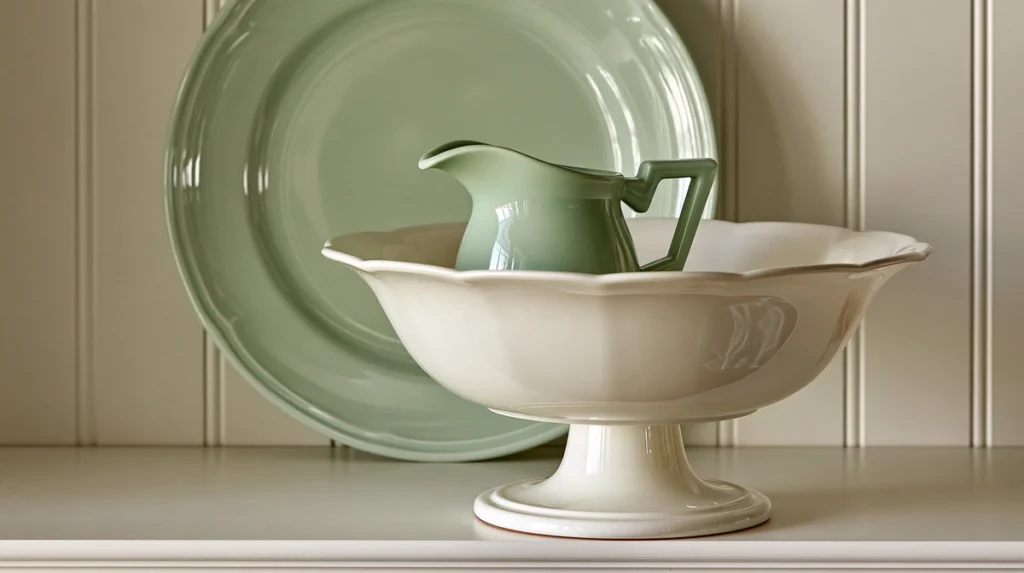

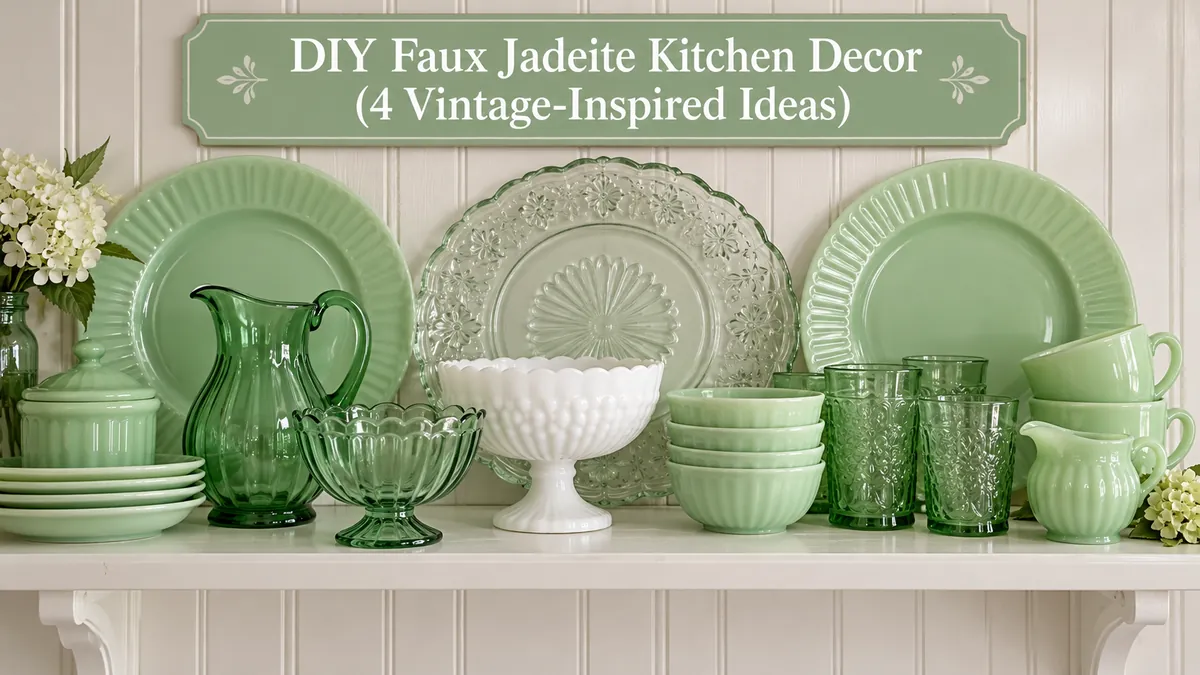
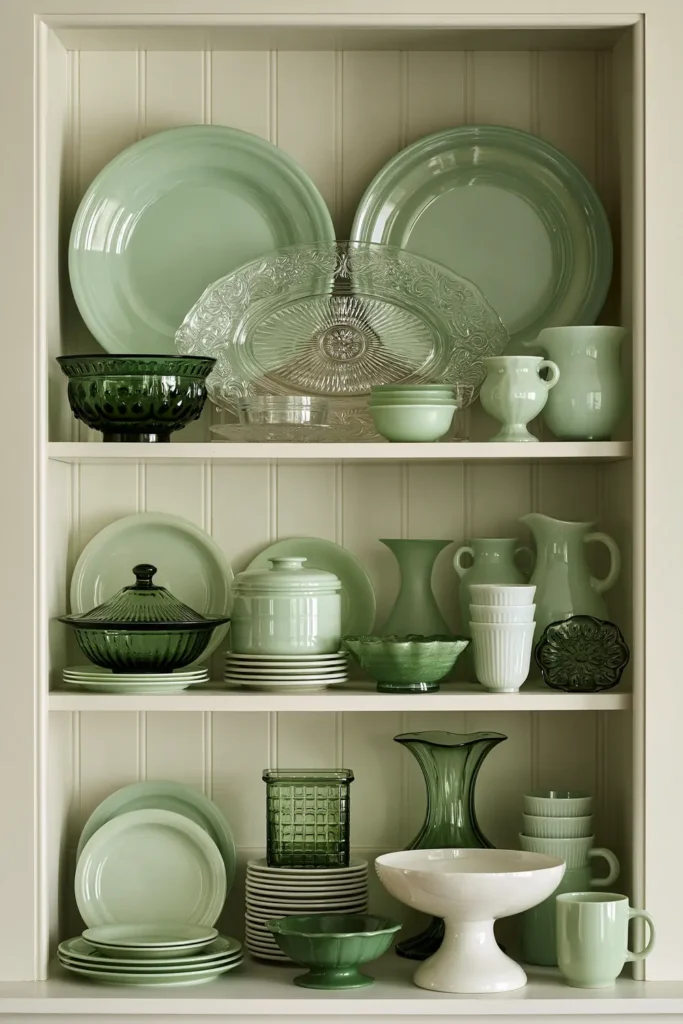
There’s something about that soft, milky green color of vintage jadeite that makes a kitchen feel instantly more charming. I love how even a few pieces can bring an old-fashioned, collected-over-time look to a shelf without causing the space to feel cluttered.
The good news is that you don’t need to hunt down an expensive collection to enjoy the look. With inexpensive glassware, a little pistachio-green paint, and a few simple styling choices, you can create DIY faux jadeite kitchen decor that captures much of the charm of those classic vintage pieces.
Here are four ways to bring that lovely green glass look into your kitchen, whether you’re starting with thrifted finds or mixing handmade pieces into a collection you already own.
1. DIY Faux Jadeite Painted Glassware for Vintage Kitchen Charm
One of the easiest ways to create a jadeite-inspired look is to give ordinary glassware a soft green makeover. Those inexpensive glass pieces you sometimes find at thrift stores can look surprisingly charming once they’re all painted in a coordinating color.
I would start by looking for glass vessels with interesting shapes rather than concentrating on their original appearance. Thick glass, simple rounded silhouettes, and pieces with distinctive handles are especially nice because their shapes already have that familiar vintage character.
A pistachio-green spray paint is what brings the collection together. Look for a shade that feels soft and slightly milky rather than bright or excessively saturated. Some paint brands I recommend for this project are Rust-Oleum Painter’s Touch in ‘Satin Pistachio’ or Krylon ColorMaster in ‘Sea Glass’. DecoArt also offers a Multi-Surface Satin Acrylic in ‘Soft Jade’ that works beautifully for a hand-painted finish.
Checking paint sample cards in person can also help you pick a green that really captures that vintage vibe. A smooth satin finish can give the pieces a more convincing jadeite-inspired appearance, while a compatible glossy clear coat can add a little extra shine if you prefer that polished glass look.
The important part is preparing the glass properly. Wash each piece, remove any labels or residue, and let it dry completely before painting. For the best results, lightly sand especially glossy areas to help the paint stick, and always work in a well-ventilated area to avoid inhaling fumes. Wear gloves to keep your hands clean and protect your skin from the paint.
Choose a paint labeled for glass, follow the manufacturer’s surface preparation instructions, and apply light, even coats rather than trying to cover everything at once.
I also like the idea of working with several different vessel shapes in the same shade of green. The matching color makes them feel like a coordinated collection, even when the pieces originally came from completely different places.
Keep these painted pieces for decoration rather than drinking, serving, or food storage unless the entire intended use is specifically approved by the coating manufacturer. If you’re hoping to make pieces food-safe, look for a food-safe sealant that is specifically designed for use on painted glass and carefully follow all application instructions.
Painted glassware is safest as shelf decor, vases, or arranging containers for things like utensils or flowers, in which direct food contact is not an issue. They’re lovely as display accents without needing to be functional glassware.
2. Clear Glass Bowls with Jadeite-Green Painted Exteriors
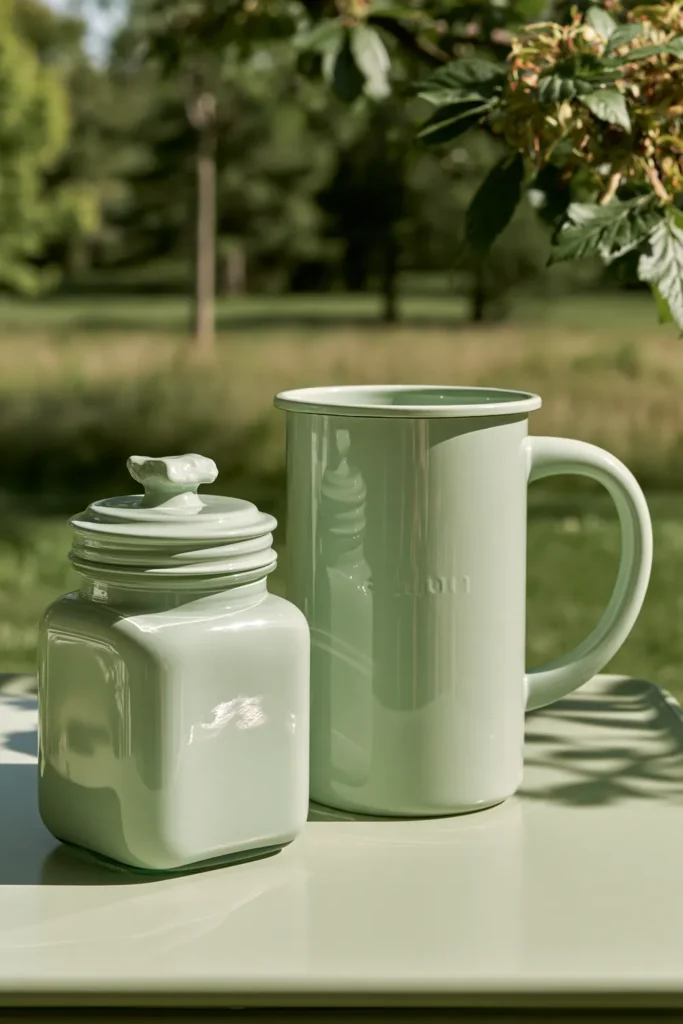
A simple clear glass bowl can become a beautiful jadeite-inspired accent with just a painted exterior. What makes this idea a little different is the contrast between the soft green outside and the transparent glass left visible inside.
I especially like this approach for bowls with uncomplicated shapes. A smooth, rounded bowl gives the green finish room to stand out without competing with too many decorative details.
The trick is to work only on the outside surface. Carefully mask the rim and interior before painting so the glass inside keeps clear and free of overspray. Light coats of pistachio-green paint help create an even finish without heavy streaks or uneven patches.
If you do notice paint streaks, wait for the layer to dry completely, then gently smooth the area with very fine sandpaper before applying another light coat. If you find that paint has bled under the tape, try peeling the tape away as soon as the paint is dry to the touch (not fully cured) to help prevent lifting any paint along the edges. Any small mistakes along the rim can often be cleaned up with a craft knife or a cotton swab dipped in rubbing alcohol once the paint has dried. Taking your time with the masking and painting process makes it much easier to fix any little issues as you go.
Once everything is completely cured, the bowl has two different visual qualities. From the outside, it carries that lovely vintage-inspired green color. Looking down into it, you can still see the clear glass interior, which creates an interesting contrast.
Natural light can make the transparent portions especially pretty, though the painted areas won’t transmit light the way genuine translucent glass does.
This is the kind of piece I would display somewhere its shape can be appreciated, rather than hiding it among too many accessories. A single bowl can provide a quiet touch of color, particularly if you prefer kitchen decorations that feel simple and uncluttered.
Even with an unpainted interior, treat the finished bowl as decorative unless the paint manufacturer confirms the application is suitable for food contact.
3. Transforming Thrifted White Glass into Faux Jadeite
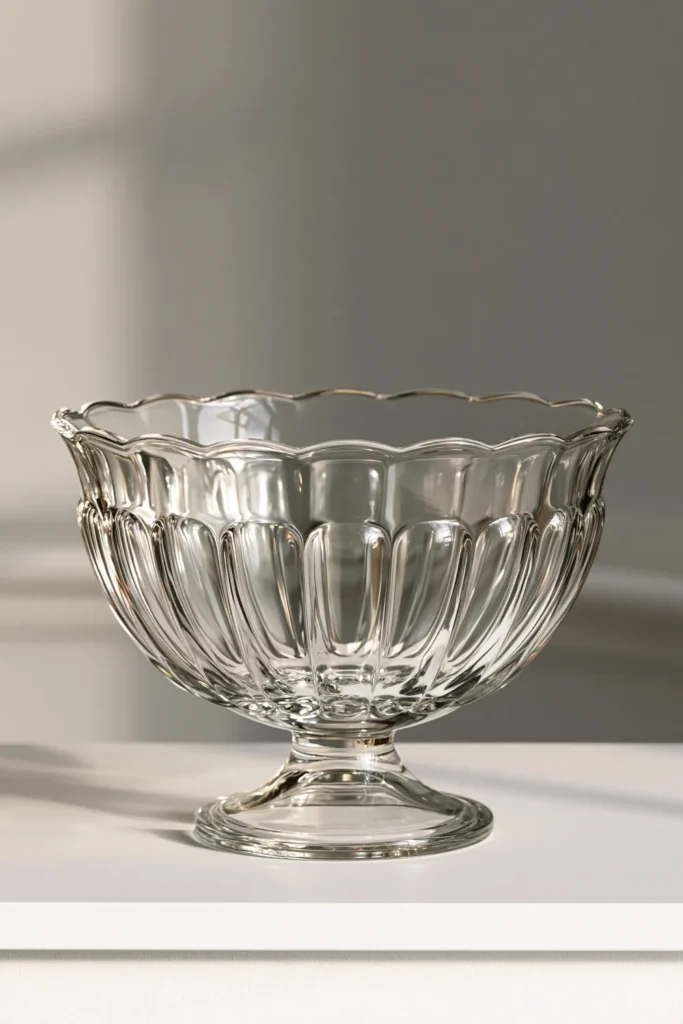
If you want your faux jadeite to have a more solid, milky appearance, opaque white glass is a wonderful starting point.
Unlike transparent glass, white glass already blocks much of the light passing through it. That gives it a naturally substantial appearance, similar to the dense, creamy quality people associate with vintage jadeite.
I would look for a white glass vessel with a pleasing shape and a relatively smooth surface. It doesn’t need to be valuable or especially decorative. In fact, a simple thrifted piece can be ideal for this project.
After cleaning and preparing the surface, apply a soft pistachio-green spray paint that is compatible with glass. Use thin coats and allow the recommended drying time between applications.
Because the glass underneath is already opaque, the finished piece can have a more uniform, solid-green look than painted clear glass. You won’t be relying on the thickness of the painted coating alone to conceal the transparency of the original material.
The shape of the vessel matters here, too. Thick-looking edges, rounded forms, and clean vintage lines can make the transformation feel more convincing.
What I enjoy most about this idea is the possibility of giving a disregarded thrift-store find a completely different character. Something that might have looked plain on its own can become a lovely little accent that fits right into a vintage-inspired kitchen.
There’s no need to overdecorate it afterward. Let the pale green color and the vessel’s original shape do the work.
4. Mixing Faux and Authentic Jadeite on Kitchen Shelves
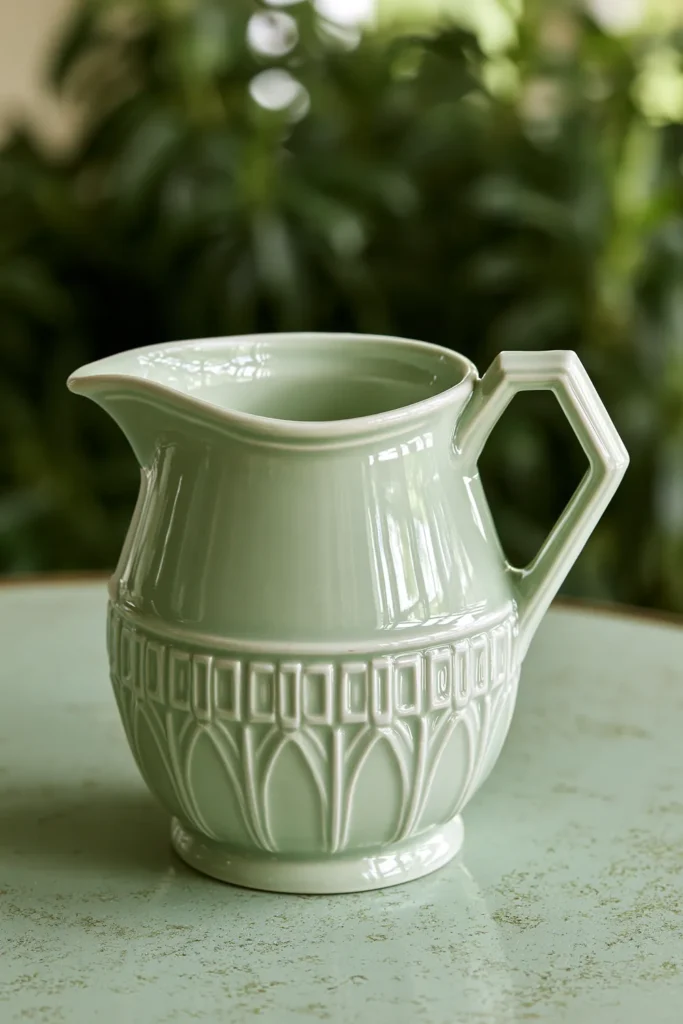
You don’t have to choose between authentic jadeite and DIY versions. In fact, displaying them together can be one of the nicest ways to build a collection that appears personal without spending a fortune.
If you already own a few genuine jadeite pieces, use them as the starting point for your arrangement. Their distinctive milky green color can help you decide which paint shade will coordinate best with your homemade accents.
I would avoid making every piece exactly the same size or shape. Instead, combine taller vessels with shorter, rounded glass pieces so the display has a gentle variation in height.
The goal isn’t perfect symmetry. A few chunky vintage forms next to simpler painted pieces can create that relaxed, collected look that makes old-fashioned kitchen decor feel so inviting.
Try grouping pieces with similar green undertones. Genuine jadeite and painted glass won’t always reflect light in the same way, but keeping the colors reasonably close helps everything look intentional.
Display shelving works especially well because you can see the individual silhouettes without having to crowd them together. Give larger pieces a little space and allow smaller vessels to sit nearby as accents.
I would also pay attention to the finish. If your authentic pieces have a beautiful glossy surface, a carefully chosen gloss finish on your painted glassware may help create visual balance. Just remember the painted glass is still a decorative imitation, not a replacement for the durability or construction of genuine jadeite.
What makes this approach special is that your collection can grow slowly. You might begin with one authentic piece and several DIY accents, then add another vintage find whenever something catches your eye.
A collection built this way regularly feels more meaningful than buying everything at once.
Bringing a Little Vintage Green Into Your Kitchen
DIY faux jadeite kitchen decor doesn’t need to be complicated or expensive to make an impact. Sometimes all it takes is a handful of glass pieces, the right shade of soft green, and a little attention to how you arrange them.
If you’re trying this look for the first time, I would start with one inexpensive vessel and experiment with the finish before painting a whole collection. Good places to look for glassware include thrift stores, flea markets, and even dollar stores, where you can often find bowls, vases, and other interesting shapes for just a few dollars. That gives you a chance to see how the color looks in your kitchen and whether you like a softer satin appearance or something glossier.
Whether you love the simplicity of a painted glass bowl, the milky look of transformed white glass, or the character of mixing authentic and handmade pieces, there’s plenty of room to make this vintage-inspired style your own.
And that’s what I love most about decorating with thrifted finds. You don’t always need something rare or expensive to create a kitchen that feels warm, charming, and full of personality.