
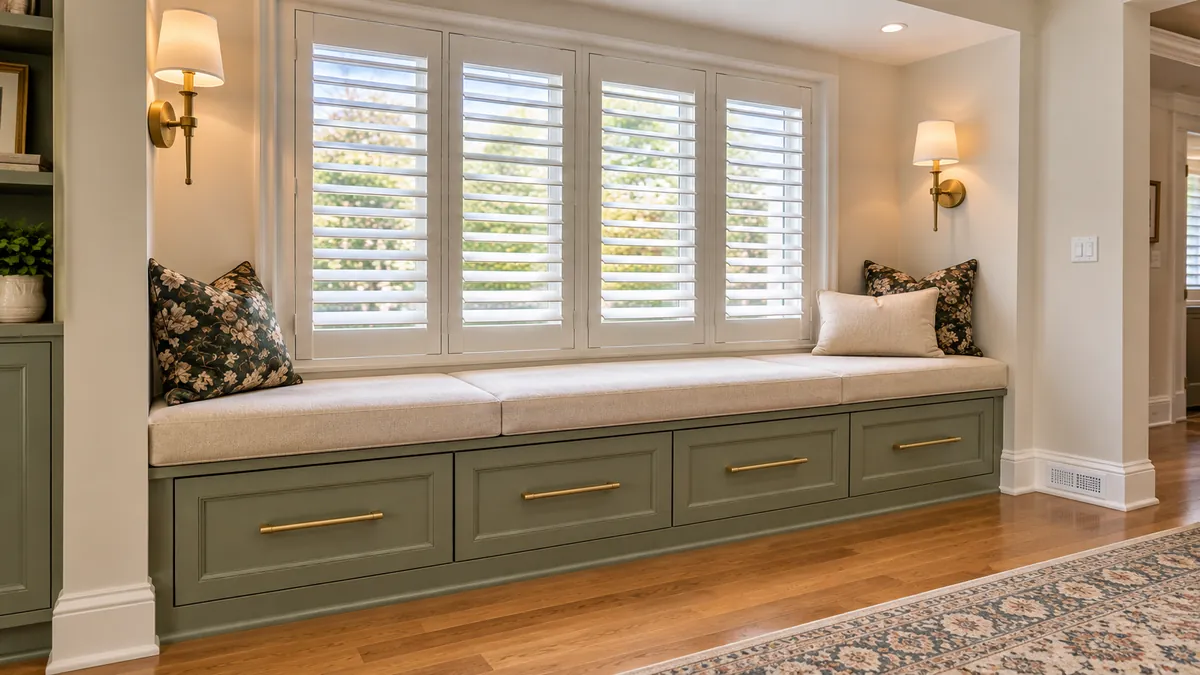
A window seat can completely change how a small nook feels, especially when it adds storage at the same time. A DIY IKEA BESTA window seat hack is a practical way to create that built-in look without starting from scratch with custom cabinetry.
Here’s a quick overview of the main steps:
1. Measure your space and plan how the BESTA units will fit the nook.
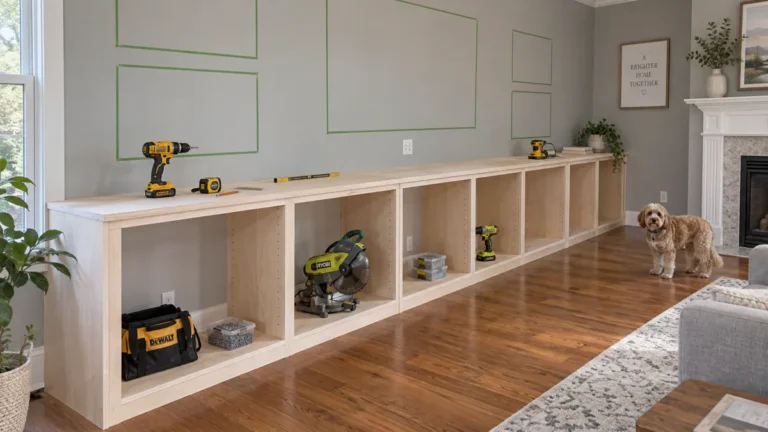
2. Assemble and position the BESTA cabinets as your base.
3. Add a support frame if needed to reach your desired bench height.
4. Fill any gaps with spacers or panels for a perfect, built-in appearance.
5. Install trim, baseboards, or beadboard for a finished look.
6. Paint or customize drawer fronts and add handles.
7. Make or buy a fitted cushion for the top.
8. Style with pillows and decor, then enjoy your new window seat.
These steps help break down the process, making it feel much more approachable even if it’s your first time tackling an IKEA hack.
The BESTA system works especially well for this kind of project because the low units can double as both seating and storage. With trim, a fitted cushion, and a few thoughtful finishing details, the result can feel much more permanent than a standard piece of IKEA furniture.
DIY IKEA BESTA Window Seat Hack with Hidden Storage
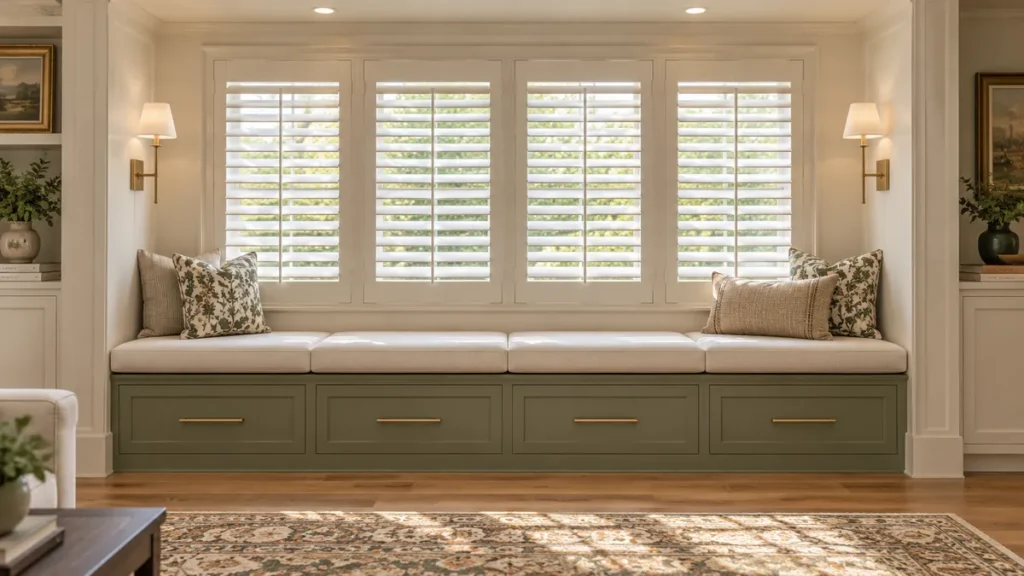
A recessed window nook is one of the best places to use BESTA units because the cabinetry can sit neatly between the surrounding walls and create the impression of a custom built-in. Starting with low BESTA bench units gives you a sturdy base while keeping useful storage underneath the seat.
A simple lumber frame can help raise and support the cabinets so the finished bench sits at a comfortable height. For most window seats, you will need standard 2×4-inch lumber to build the support frame under the BESTA cabinets. Small MDF spacers (cut to the required width, typically 2 to 4 inches depending on your nook) can fill awkward gaps between the units and the surrounding walls, while a 1/4-inch plywood backing helps close off areas that would otherwise make the installation look unfinished. Before you begin, make a materials list that includes your chosen BESTA units, enough 2x4s to build a sturdy base frame, MDF sheets or strips for spacers, and a thin sheet of plywood for the back. This will make it much easier to plan your cuts and shop for everything you need.
For a more polished front, white Hanviken drawer fronts give the bench a clean paneled appearance. Oversized brass Bagganäs handles add contrast and make the drawers easier to use, particularly when the seat cushion slightly overlaps the cabinet fronts.
The surrounding trim is what really helps the project move from IKEA furniture to built-in seating. Beadboard across the back wall adds subtle texture, while painted trim around the bench visually connects it to the alcove. A deep green cabinet color, such as Rust-Oleum Tate Green, can make the seat feel especially intentional against lighter walls.
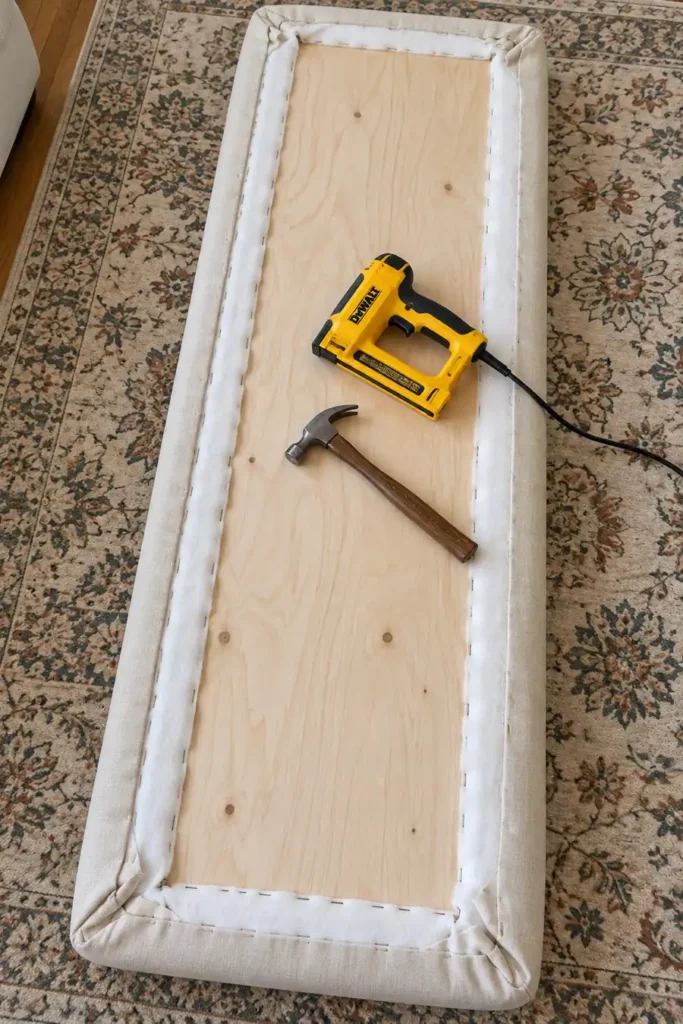
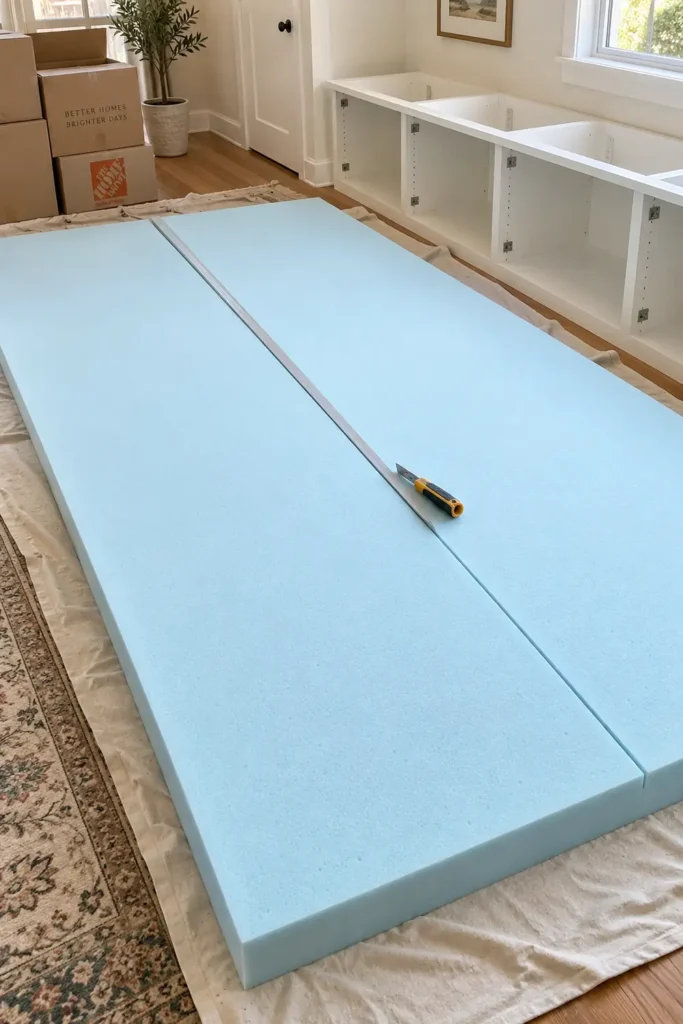
For the cushion, use a foam mattress topper that is at least 3 to 4 inches thick to ensure a comfortable seat. High-density polyurethane foam works well for bench cushions, providing both support and durability over time. Cut the foam to match the top of the bench, then wrap it in a durable upholstery fabric such as cotton canvas, linen blend, or tightly woven polyester, which can endure regular use. Stapling the fabric securely underneath creates a simple custom cushion without calling for advanced sewing skills.
This kind of nook also benefits from layered styling. A throw blanket and a few soft cushions make the bench comfortable enough for reading, while drawers below can hold board games, books, or other living room items that are better kept out of sight.
Lighting can turn the alcove into even more of a destination. Recessed pot lights provide general illumination, while coordinating wall sconces on either side of the nook create a balanced built-in look and make the seat more useful in the evening.
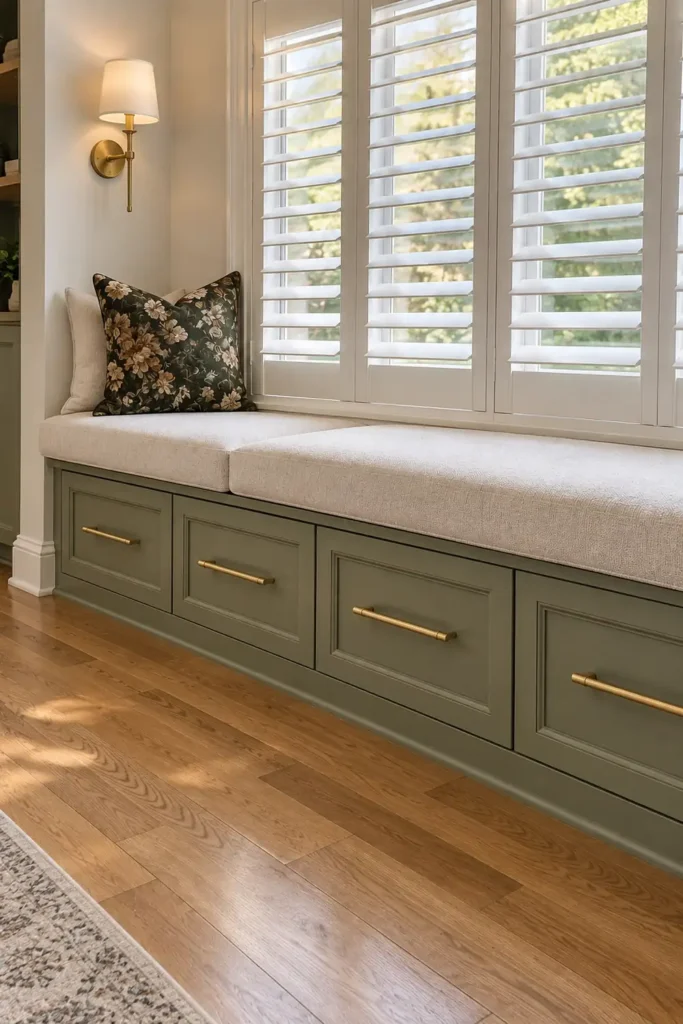
IKEA BESTA Entryway Storage Bench with an Upholstered Cushion
An entryway bench has to do more than look good. It needs to provide somewhere to sit while putting on shoes, while also helping control the everyday clutter that tends to collect near the door.
Using BESTA units as the base gives you enclosed storage beneath the seat instead of leaving baskets and shoes exposed. Drawers are especially convenient here because they allow the contents to stay accessible without requiring anyone to lift the bench cushion.
Painted cabinetry can help the bench blend into the surrounding walls or trim. For a more furniture-like appearance, brass handles add a decorative detail while still being easy to grip.
A fitted upholstered cushion softens the top and makes the bench more comfortable for daily use. Foam padding covered in a durable fabric works well in an entryway because the surface needs to stand up to frequent sitting, bags, jackets, and occasional messes.
The finished result can feel much more organized than a freestanding bench. Because the storage, seat, and cabinetry are combined into one piece, the entryway gains function without needing several separate pieces of furniture.
Kids Room IKEA BESTA Window Bench with Toy Storage
A low window bench works especially well in a child’s bedroom or playroom because it can provide seating without taking up much vertical space. Positioned below a window, the BESTA units make use of an area that might otherwise stay empty.
The drawers underneath are useful for toy storage because children can reach them easily. Instead of relying on tall cabinets, toys can be sorted into low pull-out drawers that keep the floor clearer while still allowing everyday items to stay close at hand.
A plush upholstered cushion turns the top into a comfortable reading or lounging spot. Choosing a durable fabric is helpful in a kids’ room, where the seat may need to handle frequent use, snacks, books, and toys.
Keeping the bench profile low also helps preserve the natural light from the window. The result feels less bulky than taller storage furniture while still adding a generous amount of hidden space.
This setup can grow with the room, too. The drawers that hold toys now could later store books, craft supplies, bedding, or other bedroom essentials without changing the basic structure of the bench.
IKEA BESTA Kitchen Banquette with Hidden Drawer Storage
In a kitchen or dining nook, BESTA bench units can create a compact banquette that combines seating with storage. This is particularly useful when the dining area is short on space and every piece of furniture needs to work harder.
The bench can sit directly against a wall or within a defined dining nook, creating a more fitted arrangement than separate dining chairs. A continuous cushion across the top helps the units read as one long seat instead of individual cabinets.
Hidden drawers underneath are a practical place to keep items that belong near the dining area but do not need to be visible all the time. Table linens, serving pieces, seasonal accessories, or less frequently used kitchen items can all be stored close by.
Because kitchen seating gets regular use, the cushion fabric should be durable and easy to maintain. A tightly woven upholstery fabric can handle everyday wear better than a delicate textile while still giving the banquette a softer, more comfortable finish.
Painting the cabinet fronts to coordinate with the kitchen can help the banquette feel integrated into the room. Whether the finish corresponds to the walls or contrasts with nearby cabinetry, keeping the color choice intentional makes the BESTA units feel more like part of the architecture.
The biggest advantage is that the seating footprint also becomes useful storage. Instead of adding another freestanding cabinet elsewhere in the room, the banquette hides that function directly beneath the place where people sit.
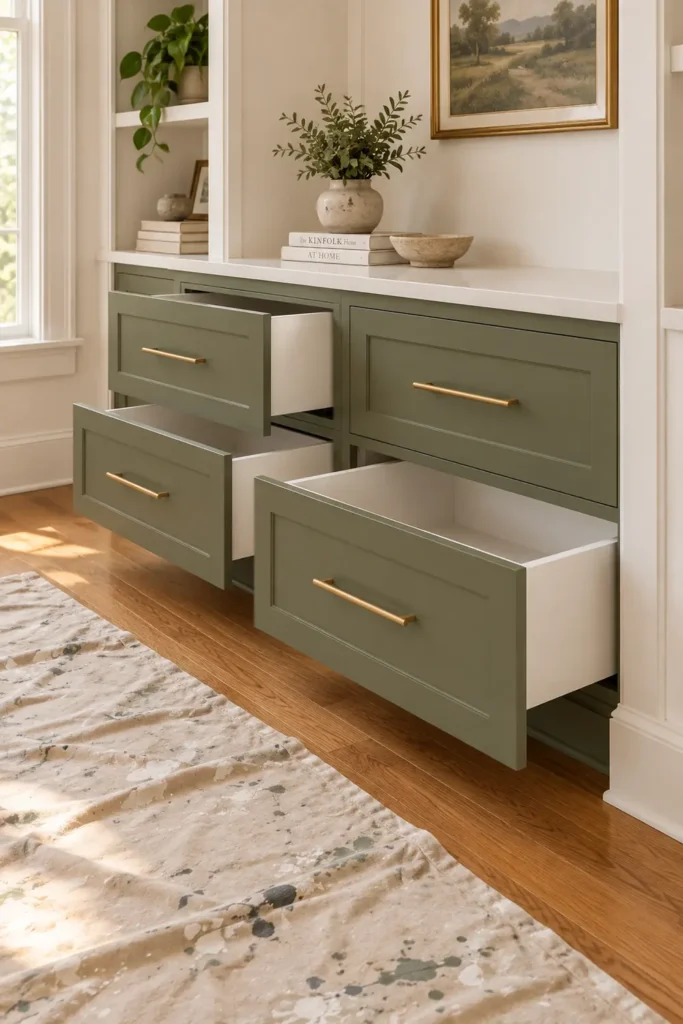
IKEA BESTA Bay Window Storage Seat with a Fitted Cushion
A bay window already has the shape of a natural seating nook, and adding BESTA units underneath can make that space much more useful. Instead of leaving the area open or filling it with a separate bench, the low cabinets create a built-in seat with storage tucked directly below.
Wood trim around the units helps close the gaps between the cabinetry and surrounding walls. Coordinating the baseboard molding to the rest of the room can make the finished bench feel like it was designed as part of the house rather than added later.
Storage drawers beneath the seat keep the surface clean while giving you an easy place for blankets, books, games, or other items you want nearby but out of sight. Keeping the drawer fronts simple also lets the shape of the bay window remain the main feature.
A fitted foam cushion is important here because bay windows can have dimensions that are difficult to match with ready-made cushions. Cutting the foam to follow the exact shape of the bench creates a cleaner finish and avoids awkward gaps along the edges.
Covering the foam with upholstery fabric adds softness and gives you an opportunity to bring color or texture into the nook. A fabric that can handle regular use is especially practical if the seat will become a favorite reading or lounging spot.
Natural window light does much of the decorating for you. During the day, the bay window creates a bright place to sit, while the built-in storage keeps the surrounding area from feeling cluttered.
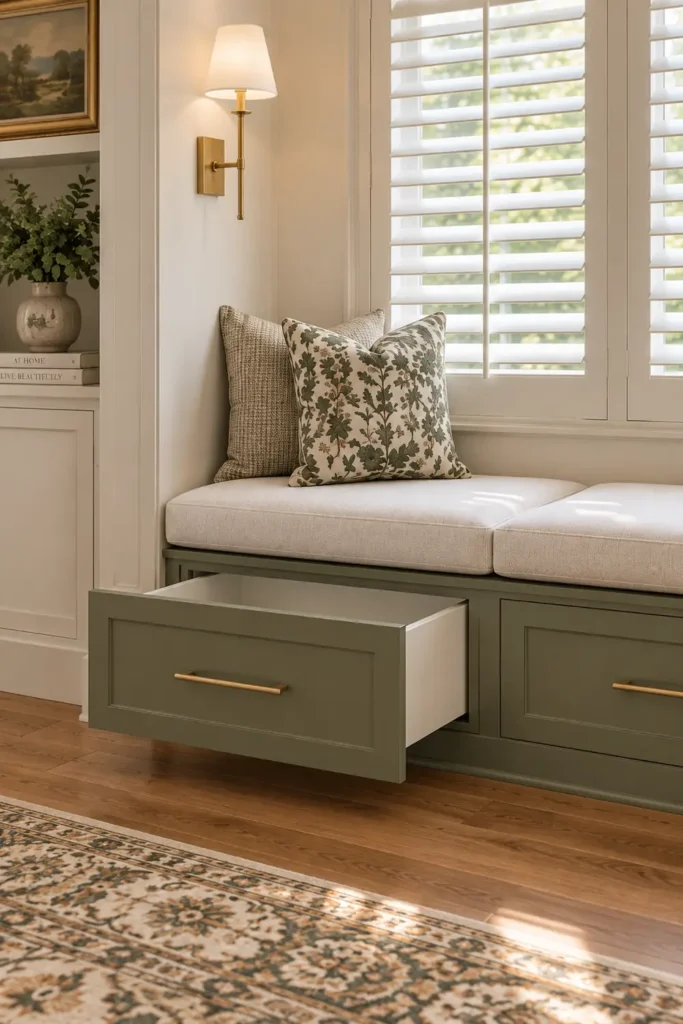
Making Your BESTA Window Seat Feel Truly Built In
The most convincing IKEA hacks usually come down to the finishing details. The BESTA units provide the practical foundation, but trim, molding, paint, hardware, and a properly fitted cushion are what help the finished seat feel connected to the room.
Before choosing a version for your own home, think about how you actually need the space to work. A living room nook might benefit most from drawers for games and books, while a kids room could use the same space for toys. In an entryway, easy-access storage may matter more than creating a deep lounging seat.
The cushion also has a big influence on the final look. A thick upholstered top makes the bench feel inviting, while a fabric that suits the room helps tie the seat into the surrounding decor rather than making it look like a separate piece of furniture.
You can keep the project simple with clean cabinet fronts and a fitted cushion, or take it further with beadboard, custom trim, brass hardware, and wall sconces. The best DIY IKEA BESTA window seat hack is the one that solves a real storage problem while creating a nook you will genuinely enjoy using.