
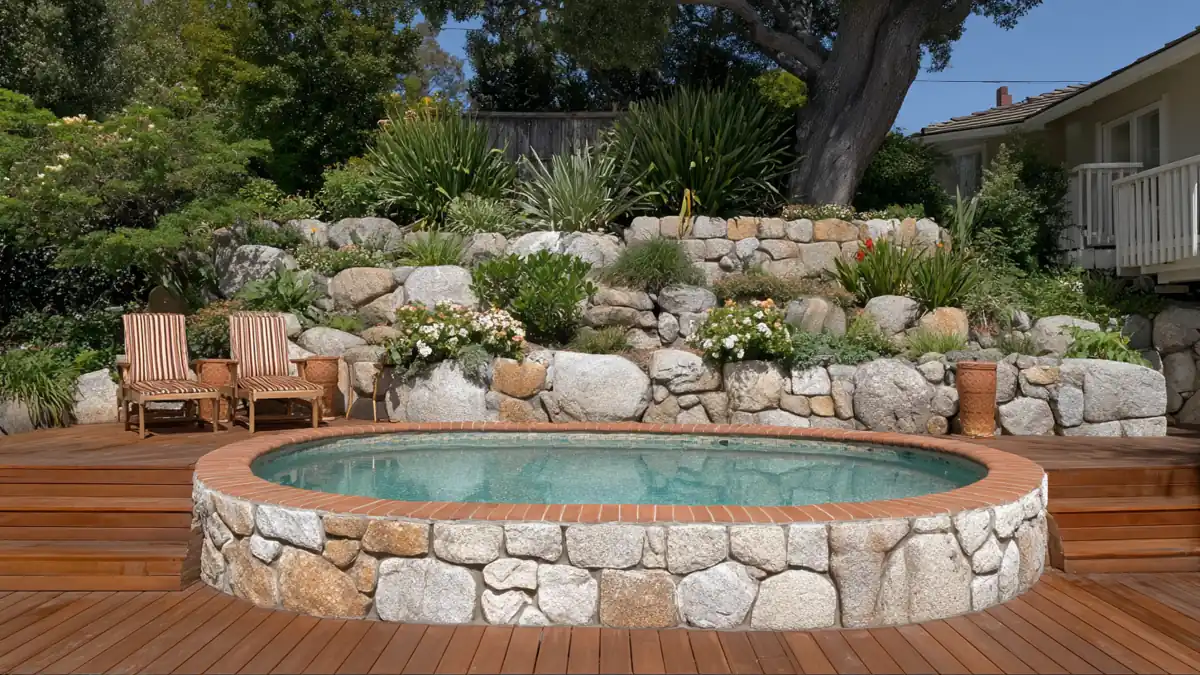
Discover practical above-ground pool retaining wall ideas, from stone walls to built-in seating, decks, and lighting to improve your backyard pool space.
When we installed our above-ground pool, I immediately realized the pool itself was only part of the project. What really makes the area feel complete is how you handle the space around it. A retaining wall can do much more than hold soil in place—it can shape the whole look of the backyard.
Over the years, I’ve seen many homeowners convert a simple pool setup into a comfortable outdoor spot just by being thoughtful about the materials and layout around the pool. The right retaining wall can blend the pool into the yard, add seating, or even create a relaxed place to hang out on summer evenings.
In this article, I’m sharing several above-ground pool retaining wall ideas that work well in real backyards. Some focus on natural materials, others add practical features like seating or lighting. Each one can help make the pool area feel more intentional and enjoyable.
Natural Stone Retaining Walls for a Timeless Pool Landscape
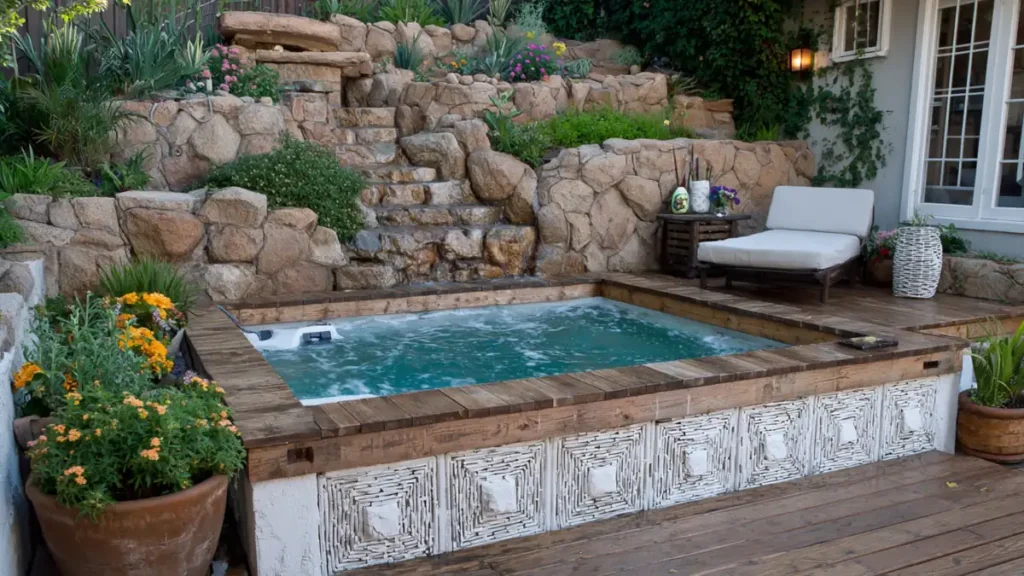
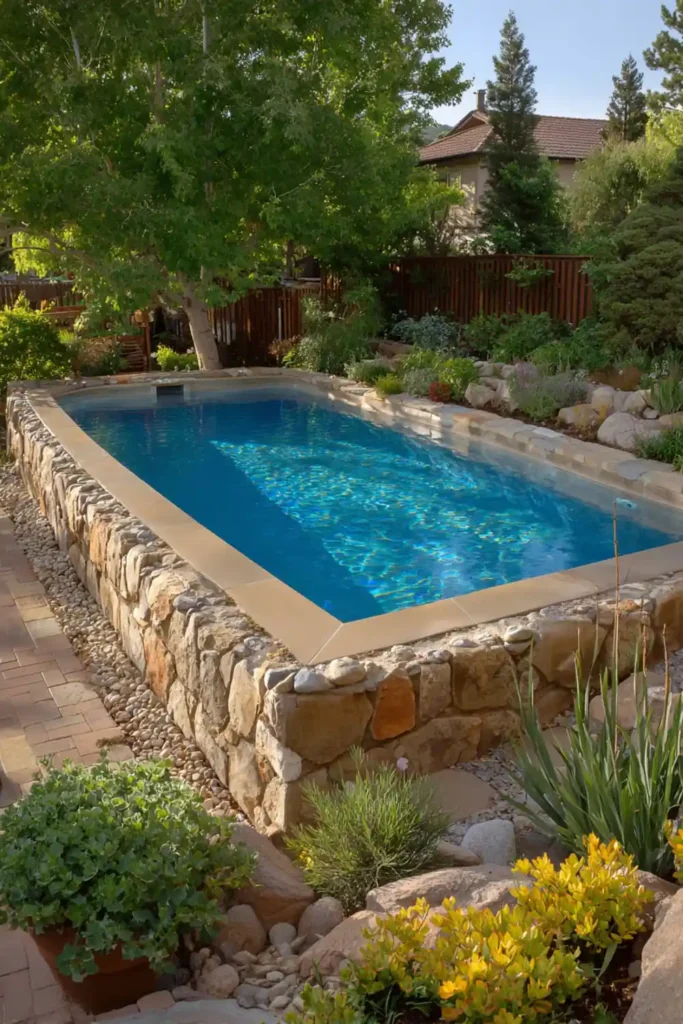
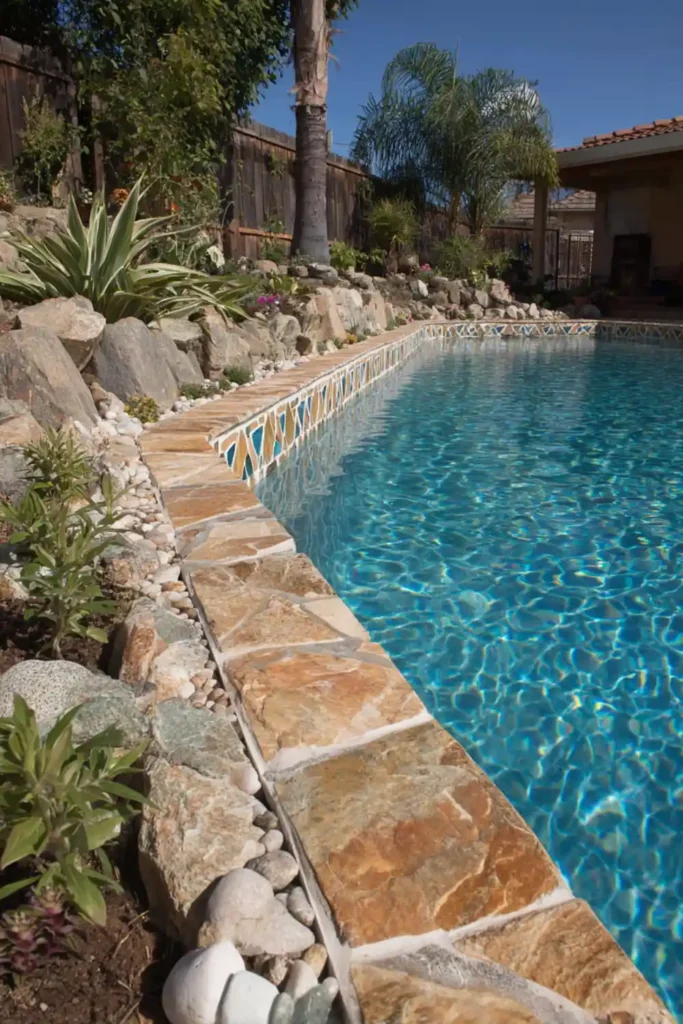
Natural stone is one of those materials that always seems to work outdoors. Around an above-ground pool, a stone retaining wall helps the pool blend into the landscape instead of looking like a separate structure sitting in the yard.
Stone veneer or stacked natural stone creates a solid border that visually anchors the pool area. The rough texture of the stone contrasts nicely with the smooth pool wall, and it tends to age well over time. If your yard already has garden beds or rock features, a stone retaining wall ties everything together naturally.
One practical approach is to build the wall slightly wider at the top and add decorative stone edging along the rim. This creates a finished edge and can double as a spot to set towels, drinks, or small planters. Even a plain stone wall about knee height can make the whole pool area feel more built-in rather than temporary.
Lush Green Borders with Planters Around an Above-Ground Pool Retaining Wall
One of the easiest ways to soften the look of a retaining wall is by adding greenery along the edge. A row of planters or built-in planting pockets can turn a plain wall into something that feels alive and welcoming.
Artificial boxwood panels are sometimes used along the wall surface to create a dense green background, especially if the wall itself is made from concrete blocks. Pair that with a few self-watering planters on top of the wall, and suddenly the space feels much more like a garden than a pool installation.
Solar garden lights placed between the plants work surprisingly well here. In the evening,g they give a subtle radiate over the foliage and the pool edge. If you’re trying this idea at home, I’d suggest mixing different heights of plants—low ground plants in front and taller tropical foliage behind—to give the area some depth.
Built-In Seating Integrated Into the Pool Retaining Wall
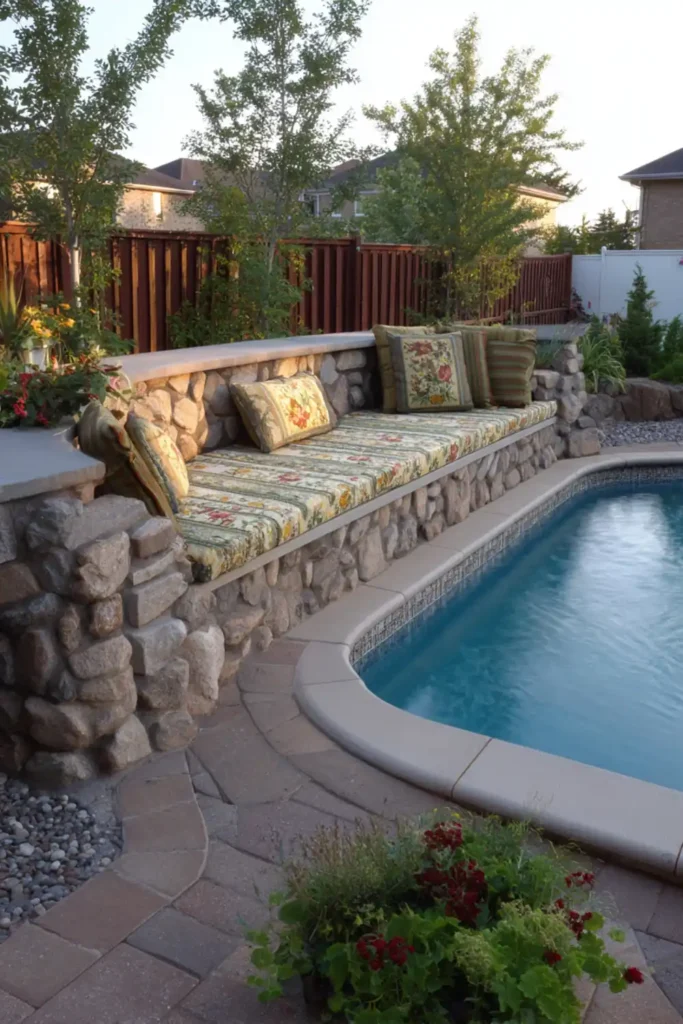
One idea I really like is combining the retaining wall with built-in seating. It solves two problems at once: stabilizing the pool area and giving people a place to sit nearby.
This works especially well if the retaining wall is wide enough to support a bench-style top. Using weatherproof materials like treated wood caps or stone slabs makes the seating durable and comfortable. Add a few waterproof cushions, and suddenly the wall becomes a casual lounging spot.
I’ve seen homeowners place colorful outdoor throw pillows along the wall so it functions almost like a long patio bench. It’s perfect for parents watching kids swim or for guests relaxing with their feet in the pool. If you’re planning a new retaining wall anyway, designing it wide enough for seating is a smart upgrade that doesn’t require much extra space.
Mosaic Tile Accents for a Decorative Pool Retaining Wall
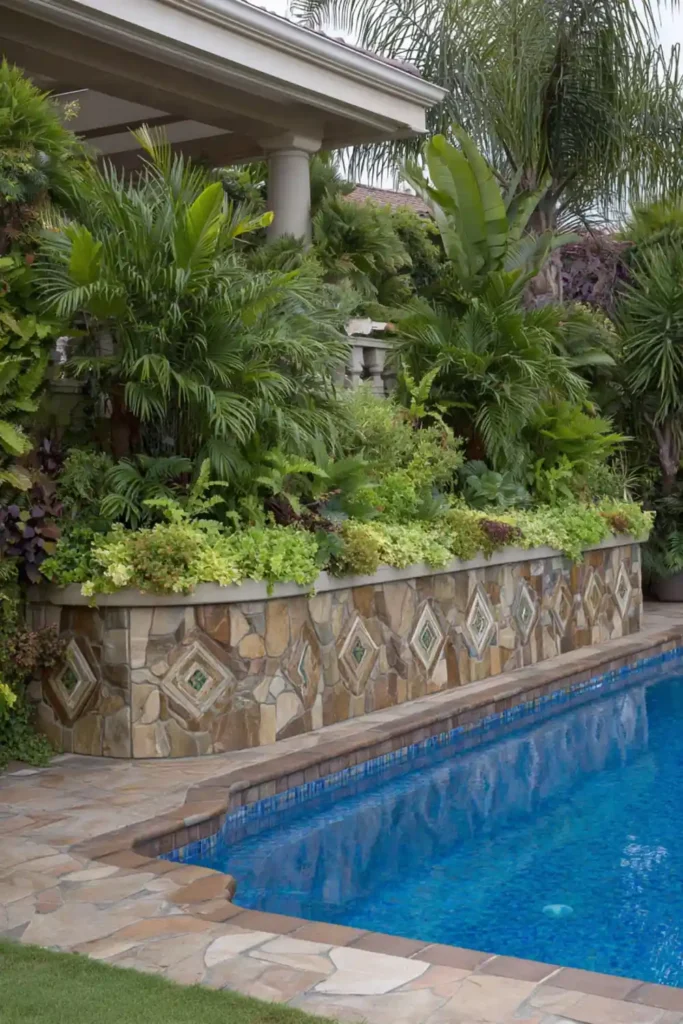
Sometimes a retaining wall just needs a little personality. Mosaic tiles are a simple way to bring color and texture into the pool area without changing the entire structure.
Glass mosaic tiles reflect sunlight and water in interesting ways, which makes them a natural match for a pool environment. Even a narrow band of mosaic running along the top edge of the retaining wall can create a noticeable visual detail.
You don’t have to cover the entire wall either. A common approach is to place mosaic accents in sections or small framed panels between stone or concrete blocks. Choosing colors that match the pool liner or surrounding patio helps the design feel intentional. For homeowners who enjoy DIY projects, mosaic accents are also manageable to install in stages over time.
Wooden Deck Integration Around an Above-Ground Pool Retaining Wall
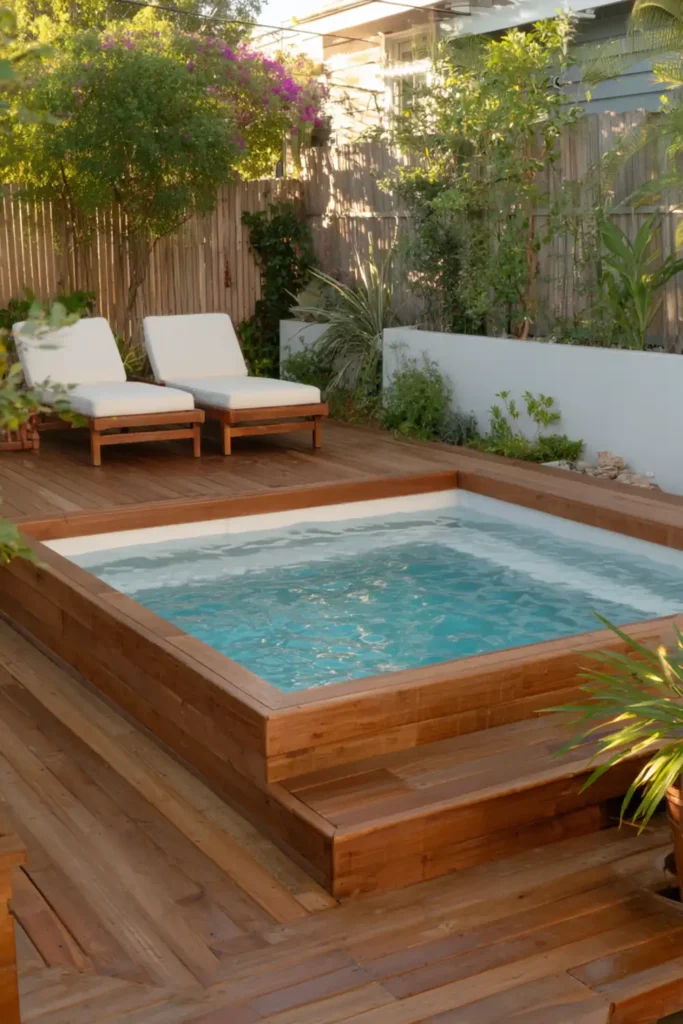
One approach that always makes an above-ground pool look more intentional is tying the retaining wall into a surrounding deck. When the deck and wall work together, the pool starts to feel like part of a larger outdoor living space instead of something placed in the yard.
A common setup is building a wooden or composite deck that sits slightly above the retaining wall. The wall supports the surrounding soil while the deck creates a level surface for walking and lounging. Materials like composite decking boards or pressure-treated lumber handle moisture well and hold up to heavy foot traffic during pool season.
Adding a couple of outdoor lounge chairs or a small table near the deck edge makes the space more usable. I’ve also seen solar deck lights installed along the deck boards facing the retaining wall. In the evening, that soft lighting outlines the pool area and makes it safer to move around without harsh overhead lights.
Concrete Block Retaining Walls for Sloped Yard Pool Installations
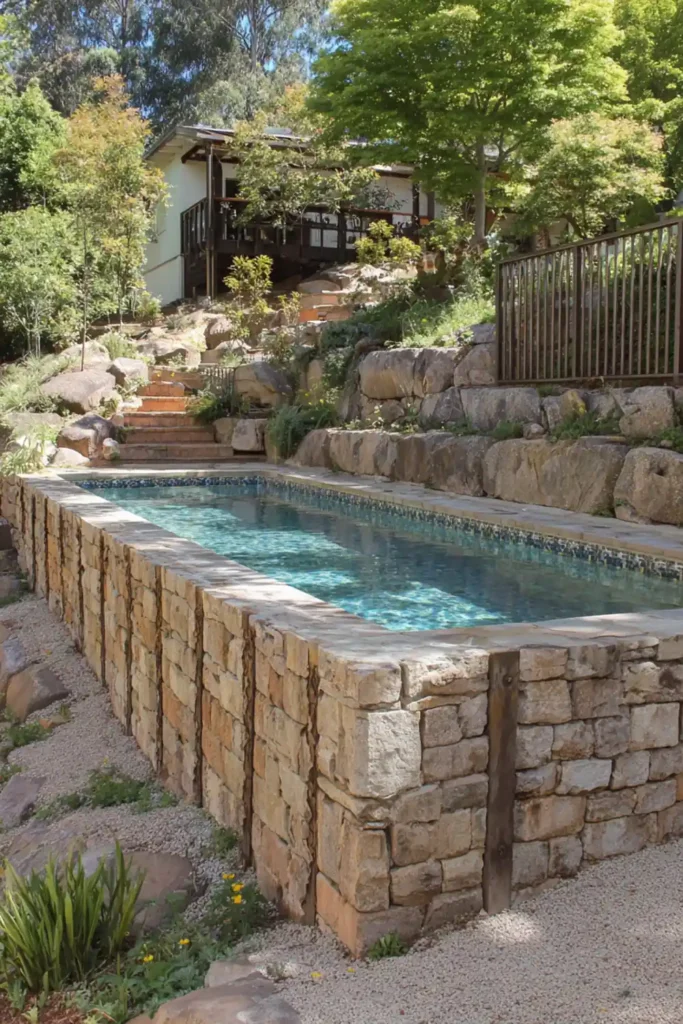
If your yard has a slope, a retaining wall becomes less about decoration and more about stability. Concrete retaining wall blocks are often the most sensible choice in these situations because they’re strong, modular, and fairly straightforward to install.
These blocks are designed to interlock and hold back soil effectively. When paired with landscape fabric and geogrid reinforcement, they create a stable structure that supports the pool and prevents soil from shifting over time. This is especially important for above-ground pools because the surrounding ground needs to remain level.
Even though concrete blocks are practical, they don’t have to look plain. Some homeowners choose textured blocks that imitate natural stone. You can also soften the look by planting ground cover or low shrubs along the base of the wall. That small dash of greenery makes the structural wall feel more like part of the landscape.
Tropical Thatch and Bamboo Styling for a Resort-Inspired Pool Area
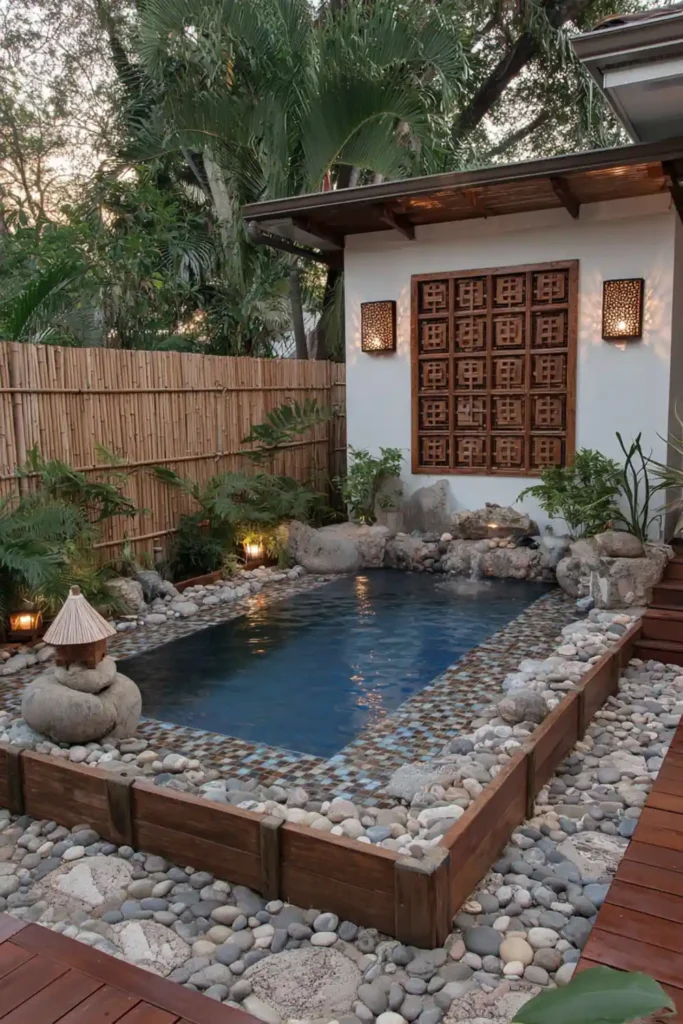
Sometimes the retaining wall itself is simple, and the surrounding decor brings the character. A tropical-style setup using bamboo and thatch can turn a regular pool area into something that resembles a backyard vacation spot.
Bamboo rolled panels work well as a decorative cover for certain sections of the retaining wall or nearby fencing. They add organic texture and a warm color that pairs nicely with wood decks or stone walls. Thatch roofing panels can also be used on nearby shade structures to create that relaxed island-style look.
A small tiki-style umbrella near the pool edge or seating area can complete the feel without requiring a full outdoor bar setup. Even just a few bamboo elements placed around the retaining wall can change the mood of the space and make the pool area feel more fun and laid-back.
LED and Solar Lighting for Highlighting Pool Retaining Walls at Night
Lighting is one detail that often gets overlooked when building a retaining wall around a pool. During the day, the wall might look great, but at night, the area can feel dark unless there’s some considerate lighting in place.
Outdoor LED wall lights can be mounted along the retaining wall itself, emitting soft light downward across the surface. Solar garden spotlights placed in the landscaping can highlight the wall’s texture while also lighting the pool edge. This type of lighting is especially useful for evening swims or backyard gatherings.
Weatherproof string lights are another simple addition. When mounted between posts or nearby structures, they create a soft light above the pool area without being excessively bright. A mix of subtle lighting sources tends to work best—it keeps the pool area visible while still maintaining a relaxed nighttime atmosphere.
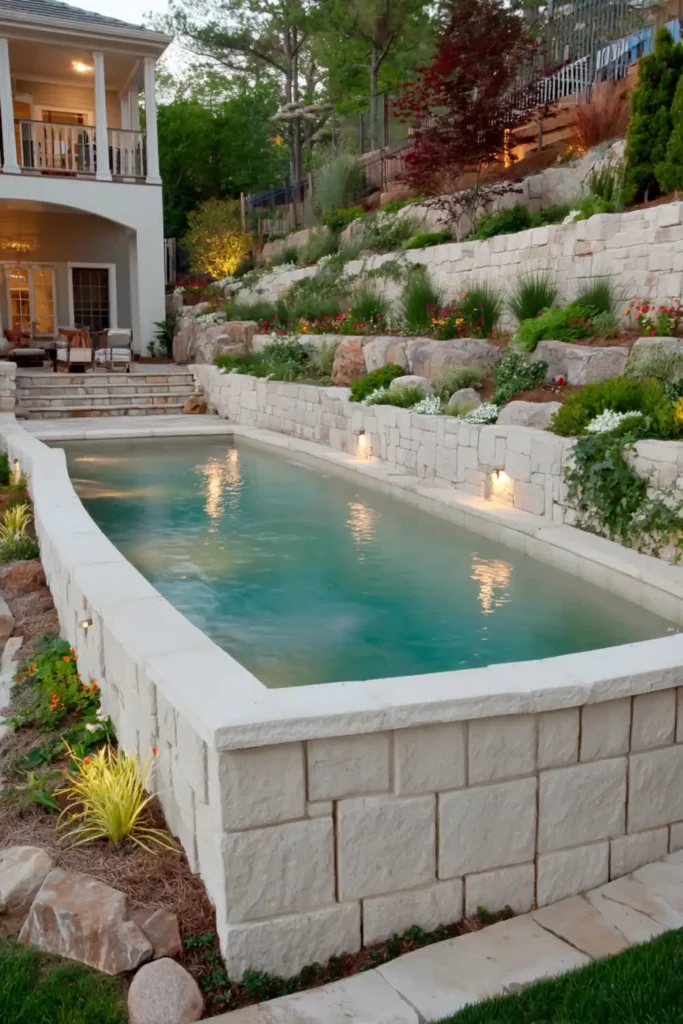
Decorative Brick Retaining Walls with Patterned Designs
Brick is another material that works surprisingly well for pool retaining walls. It has a warm, familiar look that fits easily into many backyard settings, especially if your home already has brick accents.
A decorative brick retaining wall can be built using standard bricks or brick veneer panels applied over a concrete structure. What makes this idea interesting is the option to add patterns. Brick stencils or patterned layouts—like herringbone or basket weave—create visual interest without requiring additional materials.
One useful tip is to keep the top edge of the wall slightly wider than the base. This gives the wall a finished look and also provides a narrow ledge that can hold small planters or outdoor lanterns. When the brick color complements the patio or home exterior, the pool area starts to feel much more connected to the rest of the backyard.
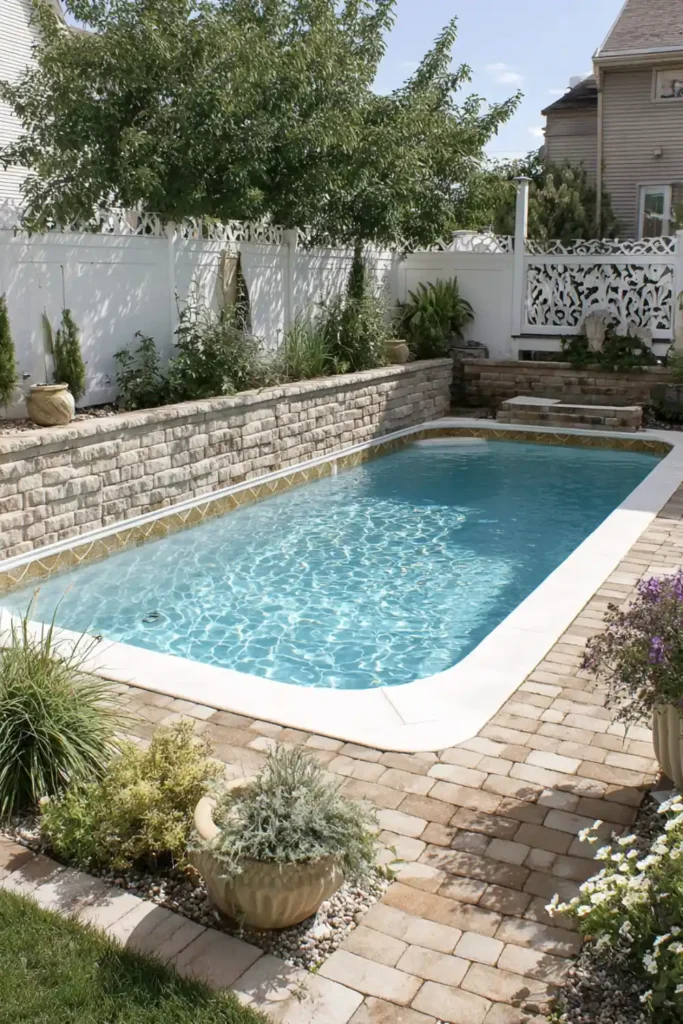
Bamboo Privacy Panels Along the Pool Retaining Wall
Pools tend to draw attention, especially in neighborhoods where yards sit close together. Adding bamboo panels along the retaining wall can create a bit of privacy while also bringing a natural texture into the space.
Rolled bamboo fencing panels are easy to attach to wooden frames or posts positioned behind the retaining wall. They act as a soft screen that hides nearby fences or neighboring views without making the yard feel closed off. The vertical bamboo lines also contrast nicely with the horizontal lines of the pool and wall.
Some homeowners also use bamboo edging along the top or base of the retaining wall to keep the theme consistent. If privacy poses a concern, adjustable bamboo screens can be placed behind seating areas near the pool so people have a little separation from surrounding houses.
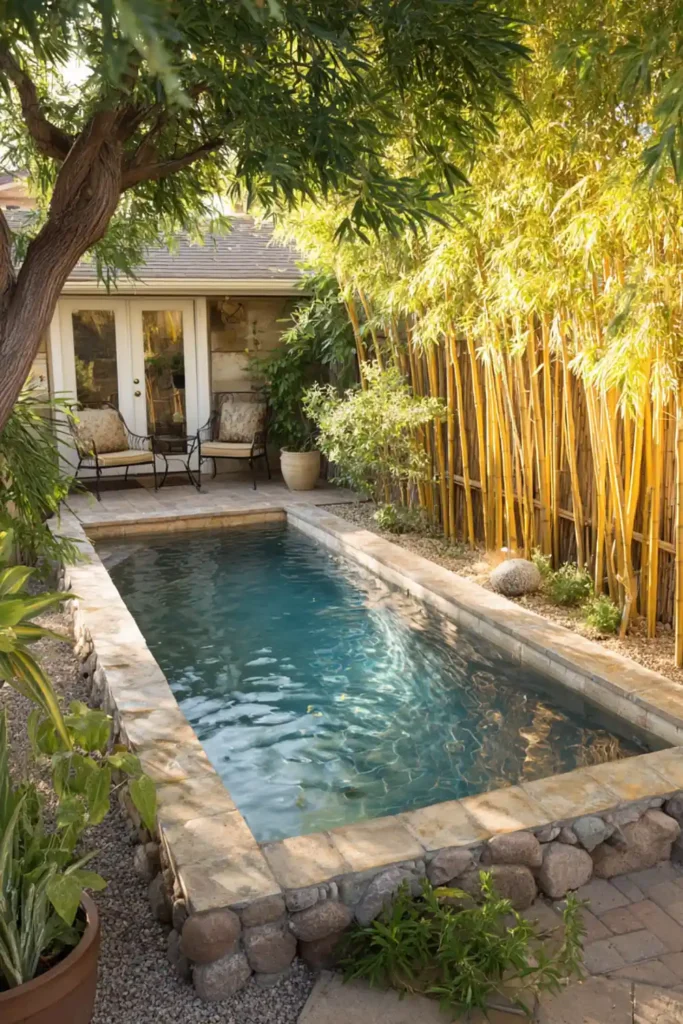
Creating an In-Ground Pool Look with Raised Decking and Retaining Walls
One clever trick homeowners use is combining a retaining wall with raised ground levels to make an above-ground pool look more like an in-ground installation.
This usually involves building a retaining wall a few feet away from the pool and filling the space between with soil or structural fill. Once the area is leveled, decking tiles or patio surfaces can be added so the surrounding ground sits close to the pool’s rim.
Wooden decking tiles or outdoor floor panels are often used because they’re easy to install and comfortable under bare feet. Some people also place artificial grass rugs or turf sections around the pool edge to soften the look. When done well, the pool blends into the yard so naturally that guests sometimes don’t even realize it’s an above-ground pool.
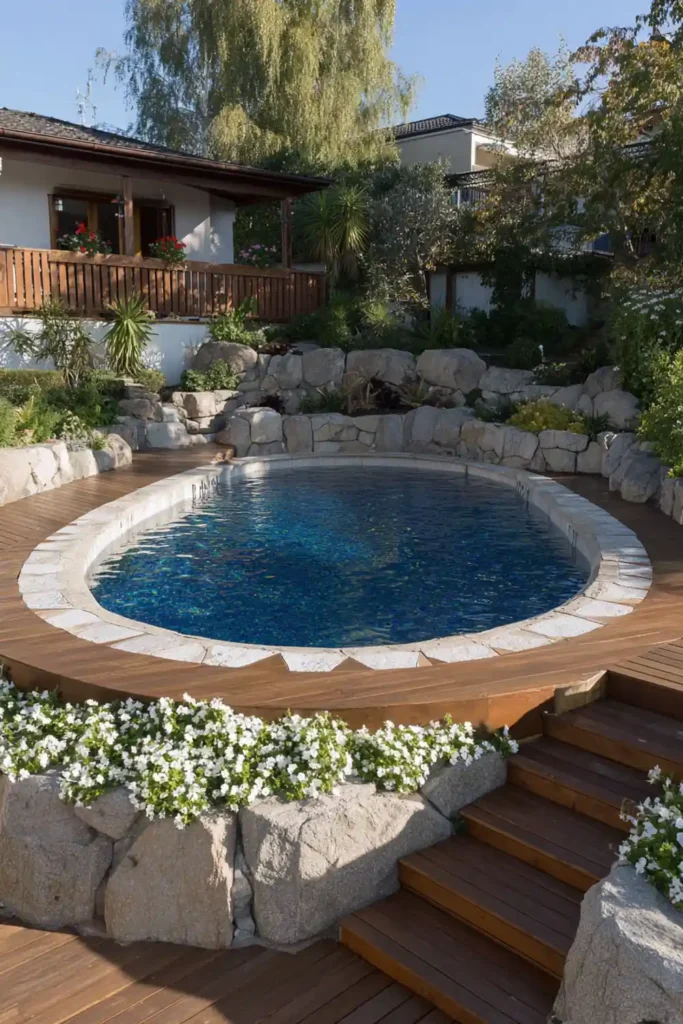
Pulling These Above-Ground Pool Retaining Wall Ideas Together
After working on a few backyard projects myself, I’ve learned that the details around a pool often matter equally as much as the pool itself. A well-planned retaining wall can support the structure, but it can also shape how the whole area feels and functions.
Whether you prefer natural stone, simple concrete blocks, or something more decorative like brick or mosaic tile, the goal is to create a space that feels comfortable and easy to use. Adding greenery, lighting, or seating can turn the retaining wall from a purely structural element into part of the outdoor living space.
If you’re planning your own above-ground pool retaining wall ideas, try starting with one simple improvement—maybe lighting, a small seating area, or a row of plants along the wall. Often, those small changes are what make the backyard feel like a place you’ll actually enjoy spending time in.
You can follow The Decor Nest on Pinterest and Facebook for new ideas, room inspiration, and styling tips shared regularly.