
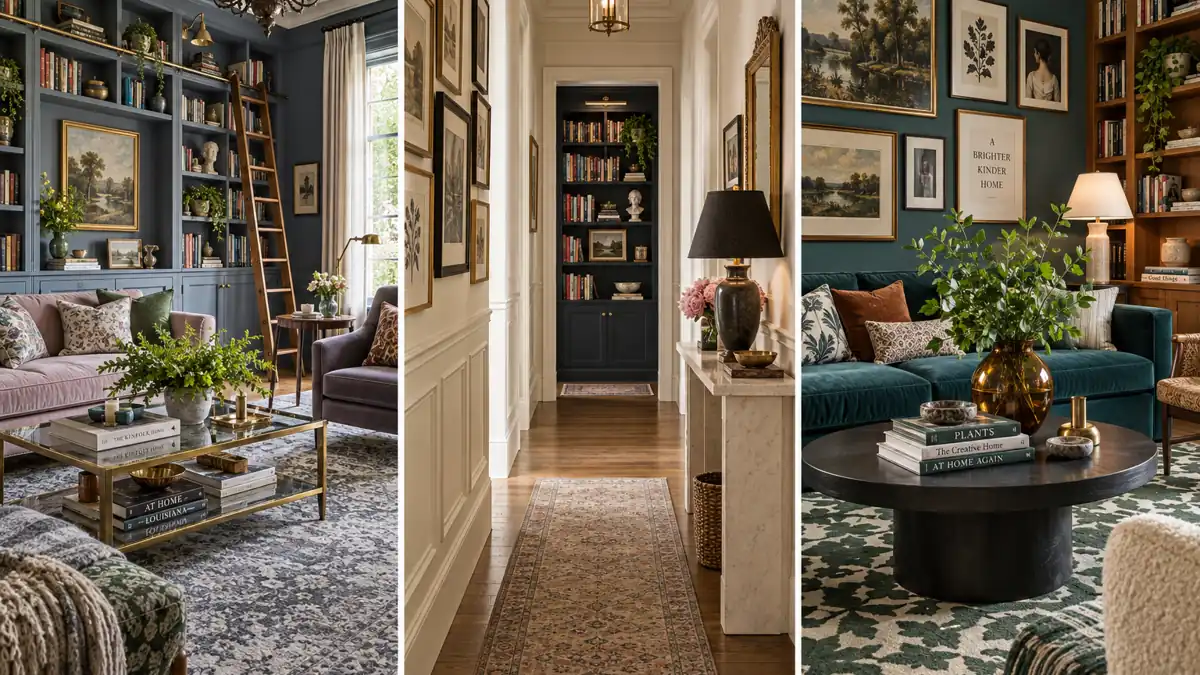
Books can add so much warmth and spirit to a home, but finding the right place for them is not always easy. The best book storage and styling ideas do more than keep shelves tidy—they turn books into part of the room itself.
In this guide, you will find a mix of solutions, from custom built-ins and clever storage ideas to easy DIY projects and simple styling tricks. Whether you are looking for a major room transformation or small changes you can make in a weekend, there are ideas here to match different homes and styles.
Whether you have a full wall to work with, a narrow hallway, or a small bedroom alcove, thoughtful shelving can make better use of the space while giving favorite books a place to stand out. These ideas range from practical built-ins to simple display tricks you can adapt to your own home.
Bespoke Wall-to-Wall Book Storage With Closed Cupboards
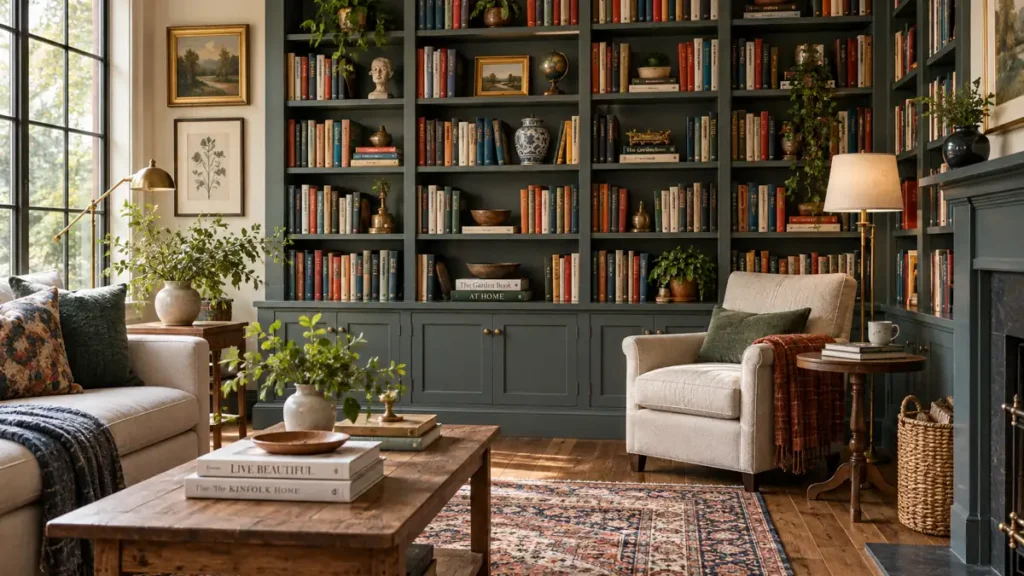
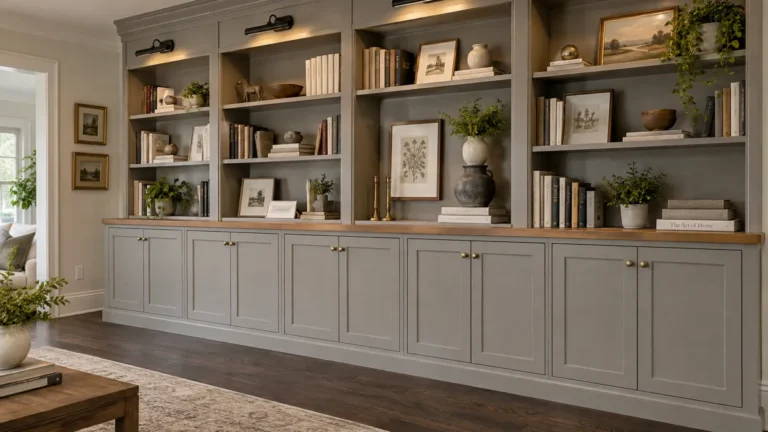
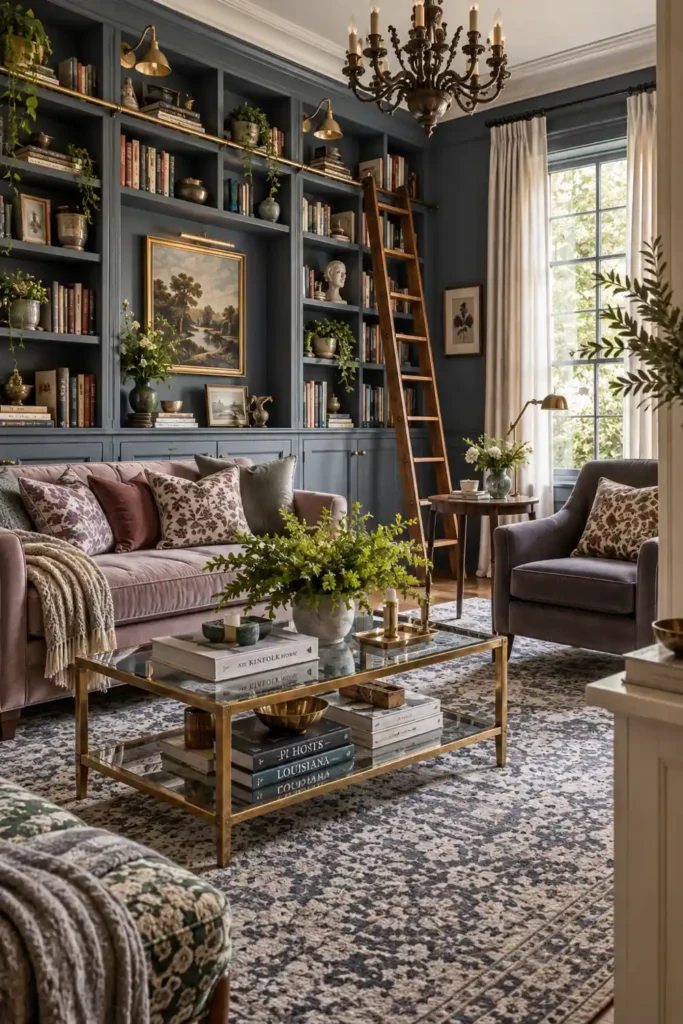
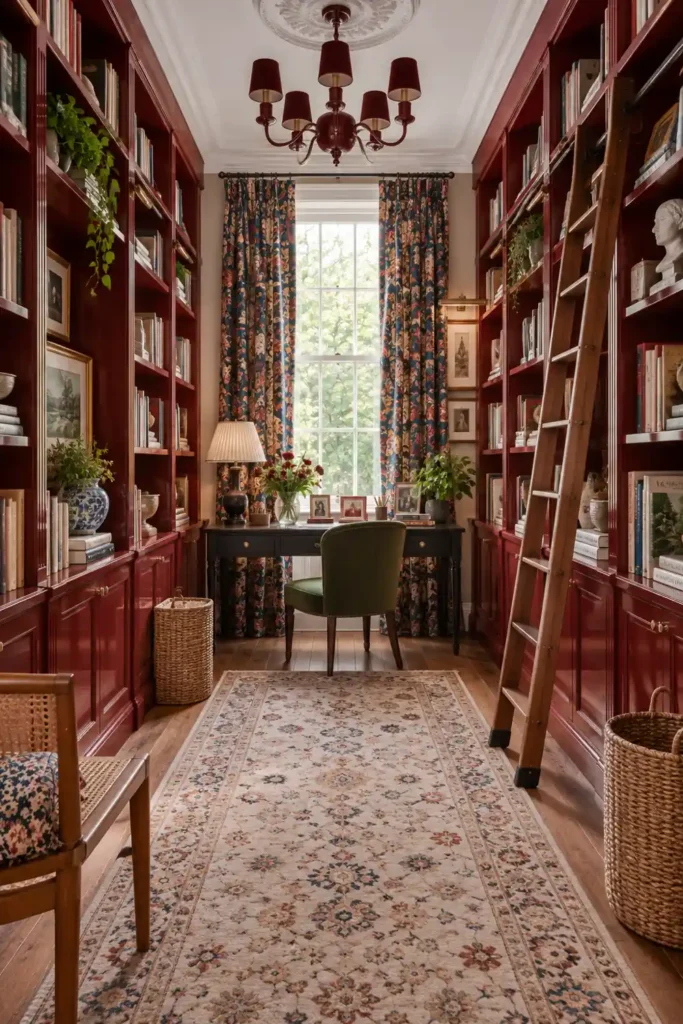
A wall-to-wall built-in is one of the most useful ways to combine book storage with everyday organization. Open shelving across the upper portion gives books and decorative objects plenty of room, while closed cupboards underneath can hide the things you would rather not keep on display. Because this style usually needs custom fitting and secure installation, it is often a project for professionals or skilled DIYers with experience in carpentry. If you are considering this option for your home, you may want to consult a contractor or specialist to make sure the shelving is safely anchored and customized to your space.
Painting the entire unit in one solid color helps it feel like part of the architecture instead of a separate piece of furniture. That continuous block of color can make even a large shelving wall feel calmer and more intentional.
I also like the balance between practical storage and display space here. Books can fill some shelves, while a few objets d’art can break up the rows and keep the arrangement from looking too rigid.
This works especially well in a living room or home office where you want storage to feel permanent and well integrated into the room.
Hallway Book Storage That Wraps Around Doorways
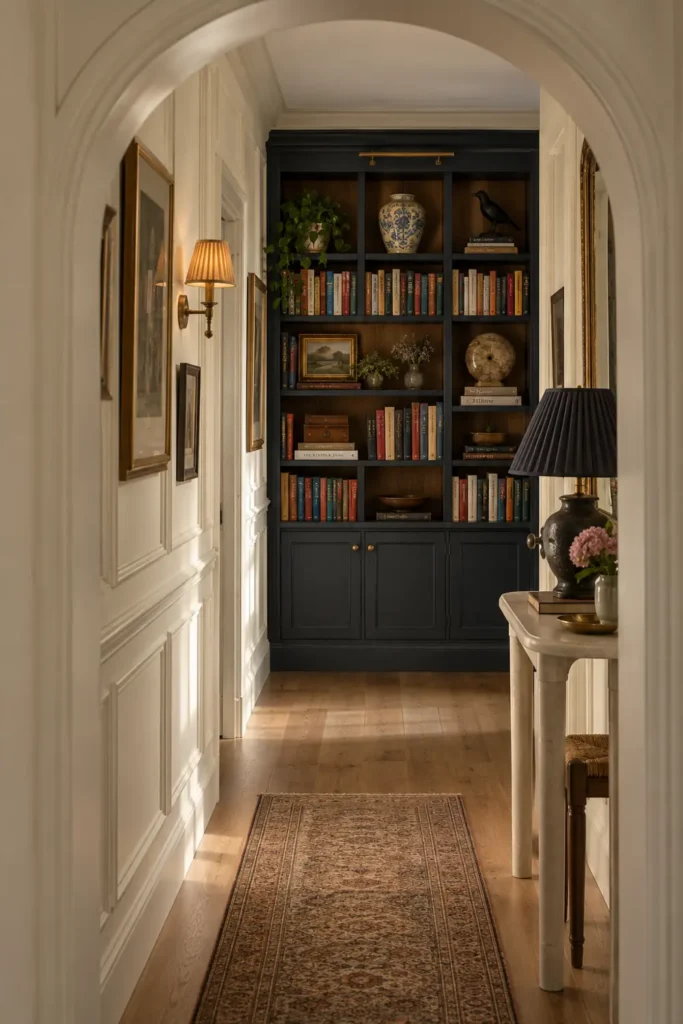
Hallways and landings are often overlooked because they are treated purely as passageways. An up-and-over book storage unit can change that by using the wall area beside and above a doorway that might otherwise stay empty.
This type of bespoke shelving is especially useful when floor space is limited. Instead of adding another freestanding bookcase, the storage follows the architecture and keeps the walkway clear.
Books arranged around the doorway also give an ordinary transition space more character. The shelving creates a framed effect that can make the hallway feel like part of the home’s living space rather than somewhere you simply pass through.
Because the shelves sit high as well as low, this idea is a good choice for books you want to keep but do not need to reach every day. If you have high shelves, consider using a sturdy step stool for safe access and make sure all shelving is securely mounted to the wall. In family homes, childproofing lower shelves and keeping step stools out of reach of young children can help make the space safer for everyone.
Front-Facing Shelves for Displaying Beautiful Book Covers
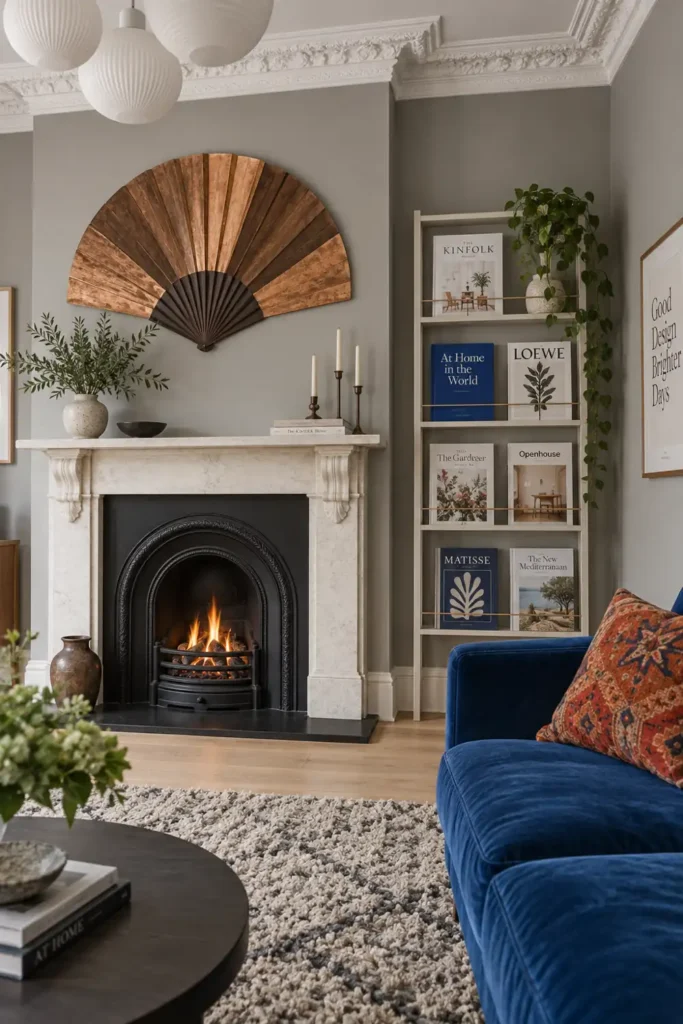
Not every book needs to be stored with only the spine visible. Books with attractive covers can become part of the decor when they are displayed facing forward.
Gently sloped bespoke shelving with narrow shelf lips helps hold books securely while keeping their covers fully visible. It works particularly well for art books, interior design books, and other larger volumes that already have strong visual appeal.
A front-facing arrangement gives the wall a gallery-like quality. Instead of seeing rows of similar book spines, you get a mix of artwork, typography, and color across the shelves.
I would avoid crowding every inch of the shelving. Leaving a little space between covers gives each book more presence and keeps the display easier on the eye.
This is one of those book storage and styling ideas that works best when you want the collection to feel decorative as well as practical.
Alcove Bookshelves for Small Bedroom Storage
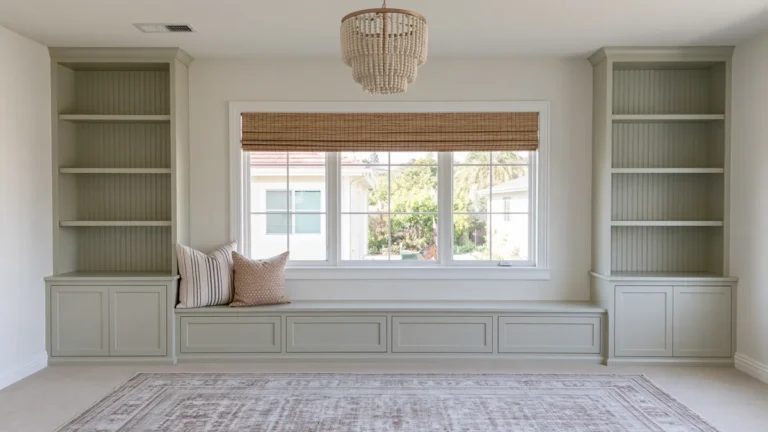
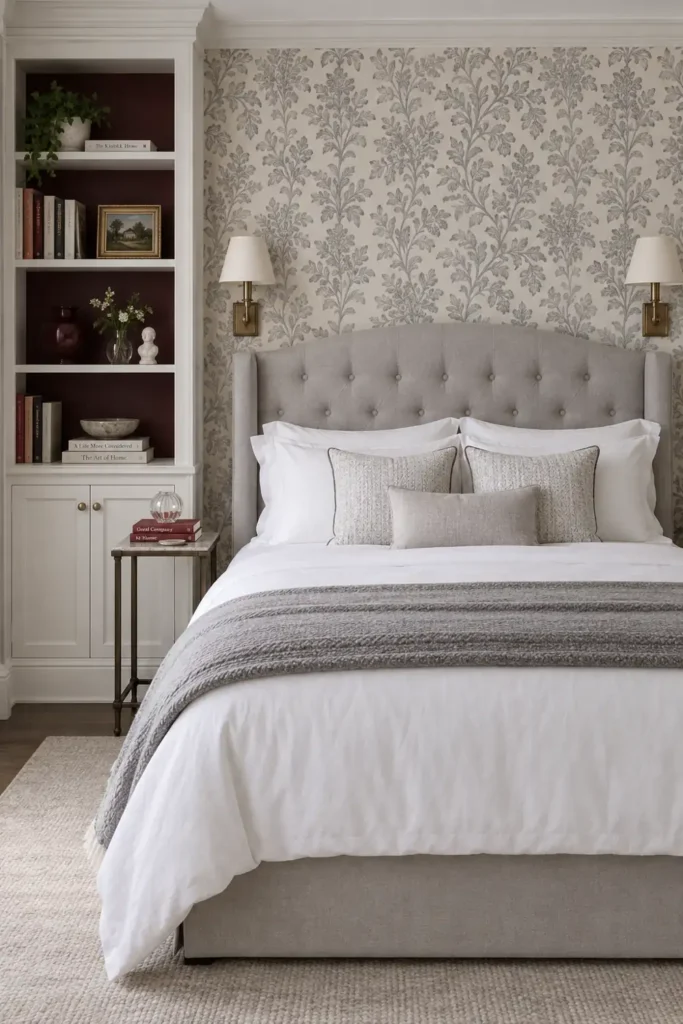
An unused alcove can be one of the easiest places to gain extra book storage without taking away valuable floor space. Fitted shelves use the full width of the recess and make an awkward corner feel intentional.
In a small bedroom, this might be particularly helpful because a freestanding bookcase may make the room feel cramped. Building the shelves directly into the alcove keeps the storage contained within the existing footprint of the space.
Bronze-painted shelving paired with patterned wallpaper can also turn the alcove into a feature rather than trying to make it disappear. The darker painted finish gives the books a defined frame, while the wallpaper adds one more layer of pattern and essence. If bronze is not your style, you could opt for a classic white, deep navy, or a pale neutral to suit your room’s palette. For a different look or a tighter budget, consider using natural wood shelves that bring warmth and texture or durable laminate in a coordinating color. Mixing and matching finishes helps you adjust the look to your own taste and the atmosphere you want for the space.
The result is practical storage that still feels decorative, which is exactly what I look for in a smaller room in which every part of the space needs to work a little harder.
Wall-to-Wall Study Shelving for a Home Library Look
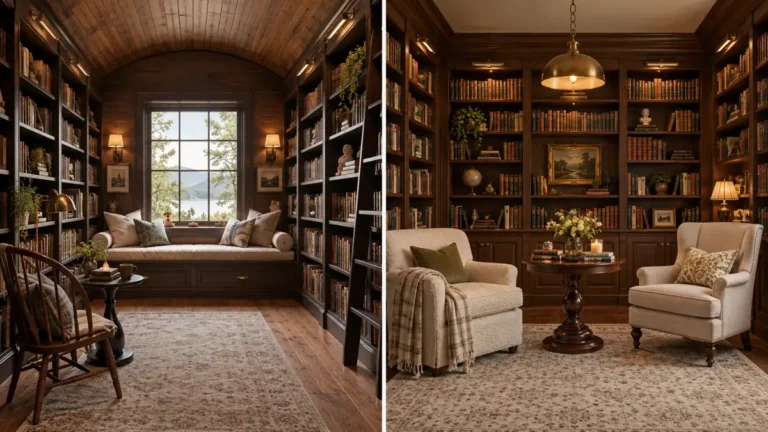
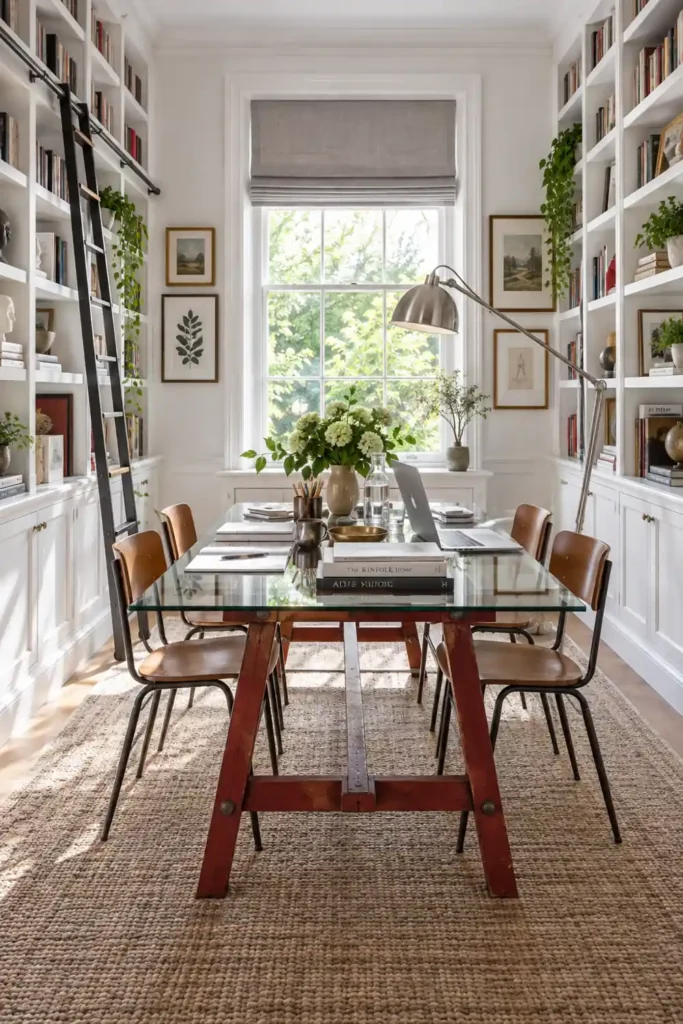
Lining the walls of a study with bookshelves can give the room the feeling of a proper home library while making excellent use of vertical space.
Instead of concentrating storage on one wall, shelving around more of the room creates a sense of enclosure that feels cozy and purposeful. A library ladder can make higher shelves easier to reach and additionally reinforces that classic library look.
A glass-topped table helps keep the center of the room visually lighter, which is useful when so much of the wall space is filled with books. The transparent surface prevents the furniture from competing with the shelving.
Natural light is especially valuable in a book-lined room. If the space feels dark, a considered lighting plan can help brighten the shelves and make the room more comfortable for reading or working.
Book Styling Ideas With Open Space Between Books
One of the simplest ways to make an ordinary shelving unit look more relaxed is to avoid packing books tightly from end to end.
Leaning a few books at an angle and leaving open gaps around them gives the display more breathing room. It also makes the shelving feel less like storage and more like a deliberate part of the decor.
This approach works particularly well with simple box-shaped shelving because the open areas create contrast with the strong geometric lines of the unit.
You do not need to leave large empty spaces everywhere. Even a few breaks between groups of books can make a noticeable difference and give the eye somewhere to rest.
Mix Books With Curios and Decorative Objects
Instead of filling every shelf with lines of books, mix in curios of different sizes and shapes. The contrast helps break up repetitive lines and gives individual objects more attention.
Instead of filling every shelf with rows of books, mix in curios of different sizes and shapes. The contrast helps break up repetitive lines and gives individual objects more attention.
I like this approach in a living room because it allows the shelves to tell more of a story about the home. Books can sit upright in one area, while a decorative object fills another, creating a display that feels layered rather than perfectly matched.
The same relaxed idea can carry into nearby furnishings. Mismatched fabrics can complement an eclectic shelf arrangement and keep the room from feeling overly coordinated.
The key is to avoid placing too many small objects together. A few larger pieces mixed among the books usually look calmer and make the overall display easier to appreciate.
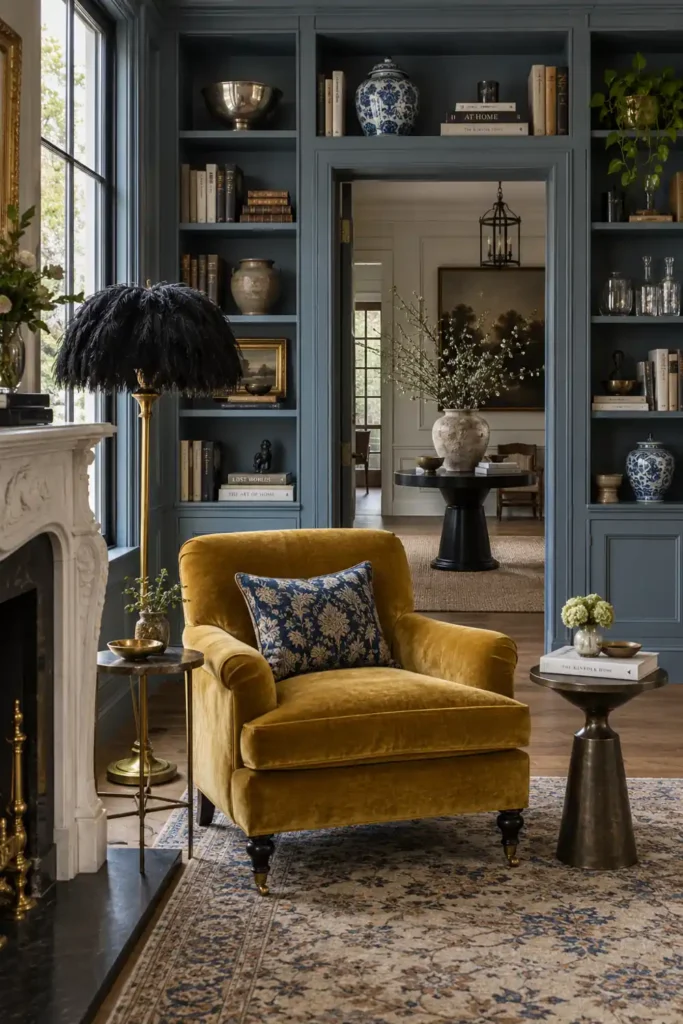
Floor-to-Ceiling Book Storage for Awkward Nooks
A narrow or awkward nook may not have enough room for conventional furniture, but it can still become useful book storage.
A floor-to-ceiling shelving unit takes advantage of height rather than width, rendering it a smart option for compact rooms. Even a slim strip of wall can hold a surprising number of books when the shelves extend upward.
Vertical shelving also draws the eye higher, which can make a compact area feel taller. Because the unit follows the shape of the nook, it tends to feel more integrated than a bulky freestanding bookcase.
Keep frequently used books on the easier-to-reach shelves and reserve the highest levels for books you only need occasionally. That way, the storage stays practical as well as space-efficient. For high or hard-to-reach shelves, try dusting them with a long-handled microfiber duster or use a small vacuum attachment to reduce buildup. Adding shelf liners can also make it easier to wipe down surfaces and keep the area neat with less effort.
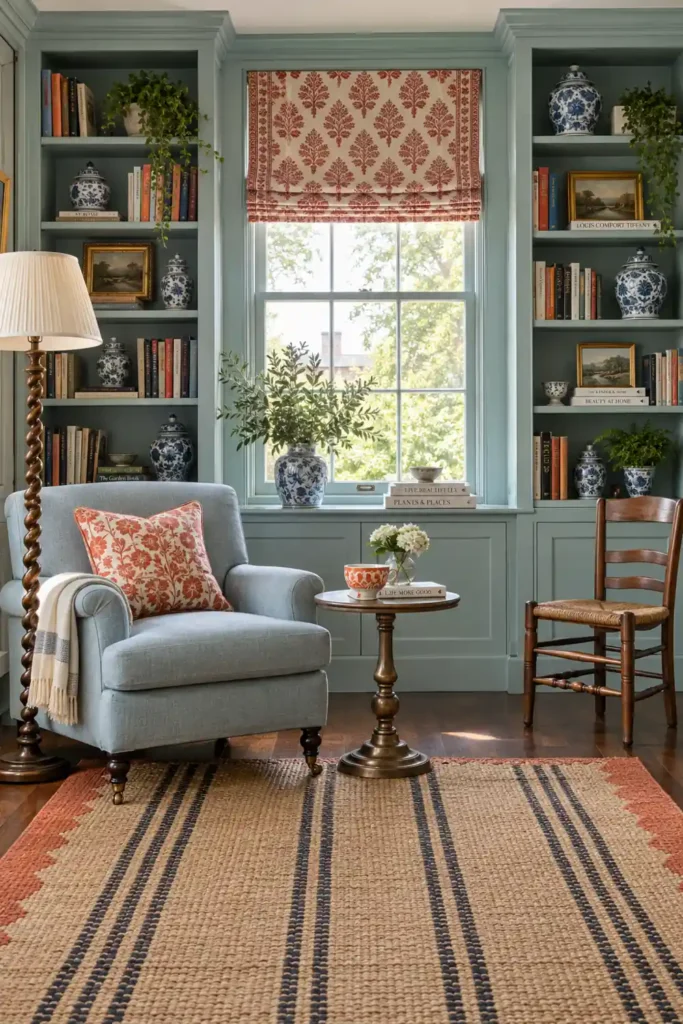
Arrange Books by Spine Color for a Color-Blocked Display
If your shelves are already full of paperbacks, arranging them by spine color may turn an ordinary collection into a stronger visual feature.
Grouping like colors together creates clear blocks across the shelving, which can make a large number of books seem more organized without removing anything. The effect is especially noticeable on a wide display wall where the colors can stretch across several shelves.
You can keep the arrangement subtle by working with a few broad color families rather than trying to create a perfect rainbow. The goal is to make the collection feel intentional while still keeping it practical.
This method works best if you are comfortable finding books visually rather than alphabetically. For a decorative living space, though, the color-blocked look can make the shelves feel much more consistent.
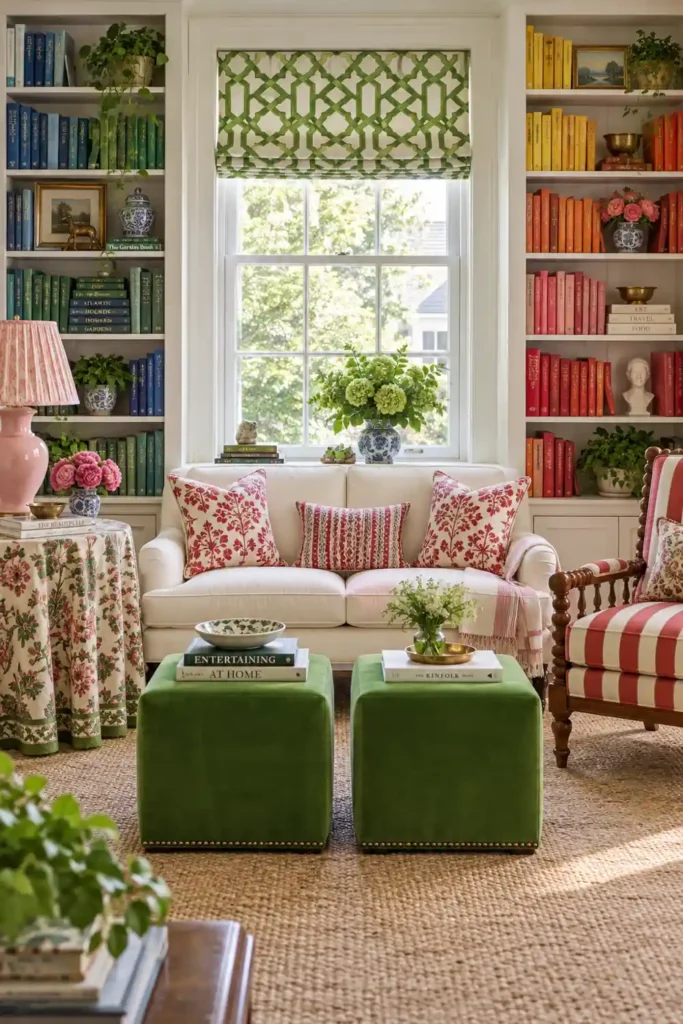
Hidden Book Storage Built Into a Secret Door
A bookcase built into a concealed door is one of the most unusual ways to add storage while making use of a doorway at the same time.
The shelving itself needs to function like a real bookcase, but the structure behind it has to support the extra weight. Heavy-duty hinges, a reinforced frame, and hidden castors can help the door move while carrying books.
Because the shelves sit directly within the doorway, the unit can blend into a larger wall of storage and make the transition between rooms less obvious.
The wooden frame and visible books can keep the design feeling warm and architectural rather than mechanical. It is a particularly interesting option when you want storage to feel built into the room instead of added afterward.
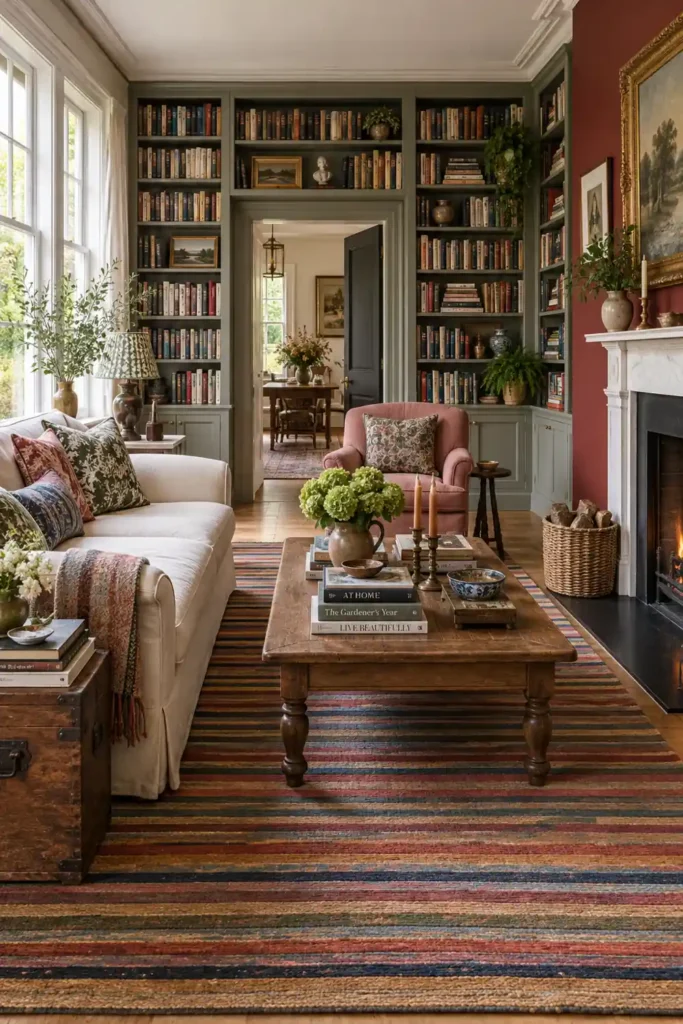
Blend Books With Your Room’s Color Scheme
Books can become part of the room’s palette instead of standing apart from it.
Choosing antique books or grouping volumes with two or three recurring spine colors can help the shelves echo colors already used elsewhere in the room. That small connection can make the display feel more considered without requiring every book to match.
This approach works especially well in a living room where the shelving is always visible. Instead of organizing purely by title or size, you can use color as another styling tool.
I would keep the palette fairly limited. A few repeated accent colors usually create a more relaxed result than trying to coordinate every single spine.
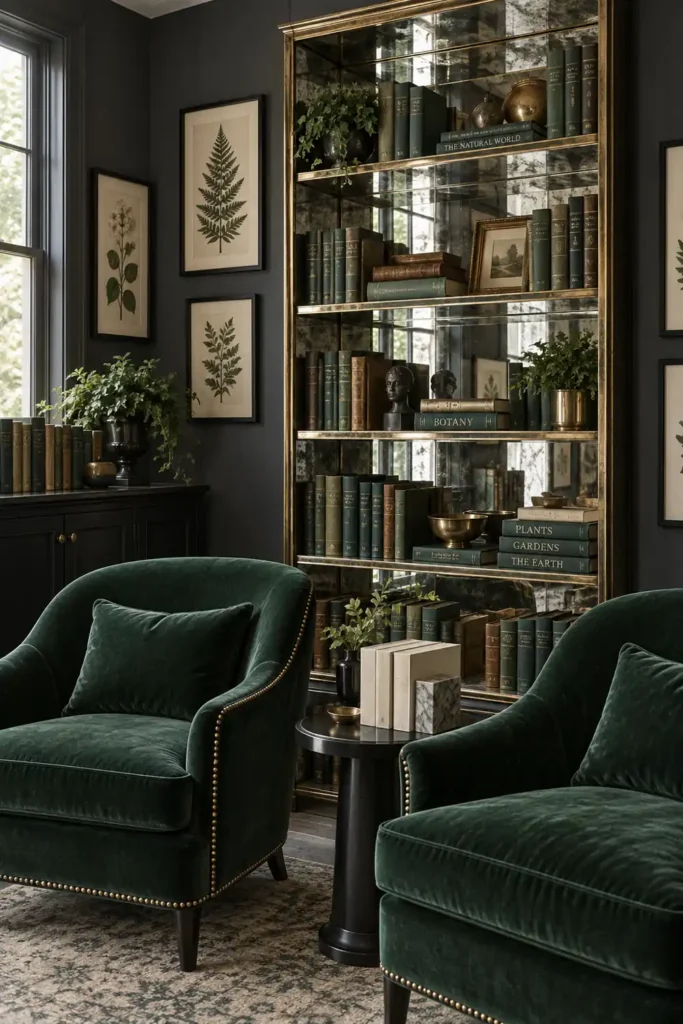
Mirrored Shelves for Reflective Book Storage and Display
Mirrored shelving can make a book display feel lighter and more decorative, particularly in a living room where you want the bookcase to act as a statement piece.
A design with fixed mirrored glass shelves mirrors both the books and the surrounding light, giving the display extra depth. Antiqued mirror has a softer look than perfectly clear glass, so the reflections can feel warmer and less sharp.
An antique-gold painted wooden frame adds another decorative layer and gives the shelving a more traditional character. The combination of mirror, gold-toned wood, and books creates a display that seems more like furniture than simple storage.
Because the shelves bounce light back into the room, this kind of bookcase can also help prevent a book-filled wall from feeling too heavy.
Make Your Book Storage Work for Your Home
The best book storage and styling ideas are the ones that suit both your collection and the space you actually have.
A full wall of built-ins can make sense in a study, while a narrow vertical unit may be far more useful in a small room. In other spaces, simple changes such as creating gaps between books, displaying covers, or grouping spines by color can completely change how the shelves feel.
I would start with the space that is currently underused and choose the idea that solves a real storage problem there. Once the practical side is working, you can use color, objects, spacing, and materials to make the books feel naturally connected to the rest of your home. For a budget-friendly approach, consider reusing old furniture into custom book storage, like turning a ladder into leaning shelves or stacking vintage wooden crates for a rustic look. Thrift stores and secondhand markets often have shelves, cabinets, or bookcases that can be repainted or refinished to suit your style. Simple DIY solutions, such as installing wall-mounted brackets with reclaimed wood or refreshing existing shelves with a new coat of paint, can help you create something unique without spending a lot. This way, book storage can become both personal and affordable.