
Watching my neighborhood, I saw that the most welcoming yards aren’t always the biggest or most expensive. They’re the ones that feel purposeful. A walkway, some plants softening the house, or a seating corner can transform a yard.
I’ve tried many yard ideas at home, from simple to ambitious. Good landscaping doesn’t need to be complex. It’s about arranging plants, paths, and features so they feel balanced and inviting.
In this article, I’m sharing practical yard landscaping ideas that homeowners can realistically try, with a focus on making every space feel intentional and welcoming. The aim is for you to find approachable ways to transform your yard into a place that feels thoughtfully designed.
Take Inspiration From Your Home’s Architecture
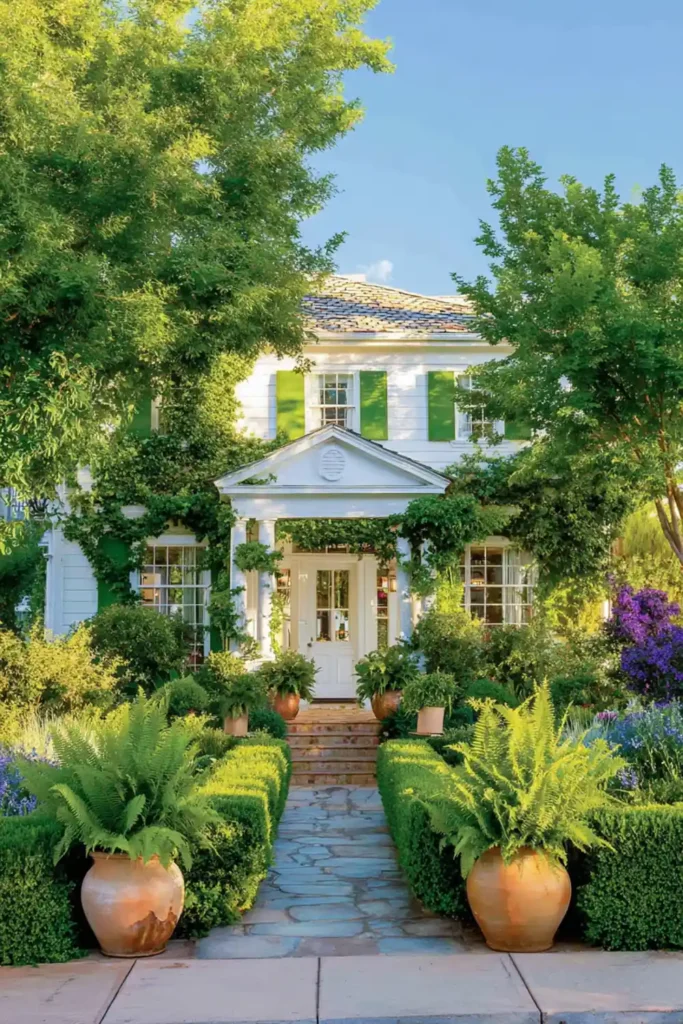
A yard feels well-designed when landscaping echoes the house. When plants and structures reflect the home’s character, everything looks more natural and balanced. Yards look more put together when shapes, colors, and sizes relate to the house.
For example, a white-painted exterior often pairs nicely with structured greenery. Manicured hedges, simple potted plants near the entry, and layered greenery around the foundation can give the whole yard a clean, intentional look. Ferns, palm-like plants, or rounded shrubs soften the lines of the house without hiding it.
Try standing across the street to view your home as a whole. If the architecture is formal, choose structured hedges. If it’s relaxed, use loose planting beds. Let the house guide your landscaping instead of forcing an ill fit.
Dress Up Your Driveway With a Garden Island
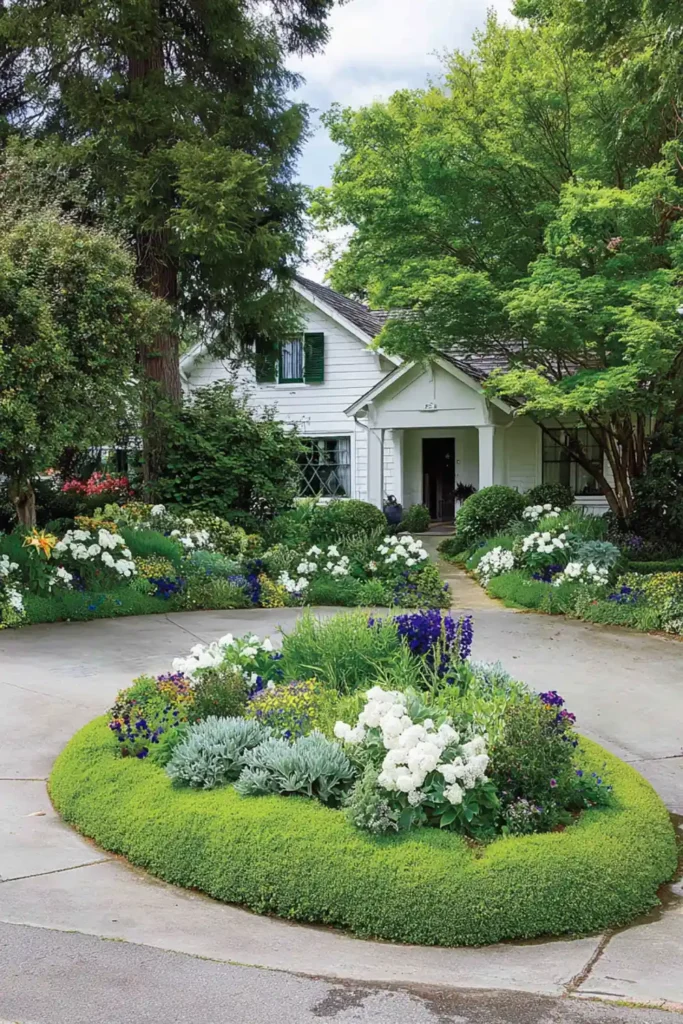
Driveways dominate visual space and, left bare, can seem plain. Adding a small island to a wide or circular driveway turns a functional area into a yard feature.
A raised island planted with shrubs or flowers works especially well. Boxwood hedges can create a tidy border, while seasonal flowers like roses, pentas, or other colorful perennials bring life into the space. Soft textures like lamb’s ears can also add contrast against the harder surfaces of concrete or gravel.
Choose hardy, easy-to-trim plants for island beds. Even a simple island with low shrubs makes a driveway feel purposeful, not just a slab to the garage.
Create a Storybook Garden With Mixed Plants and Herbs
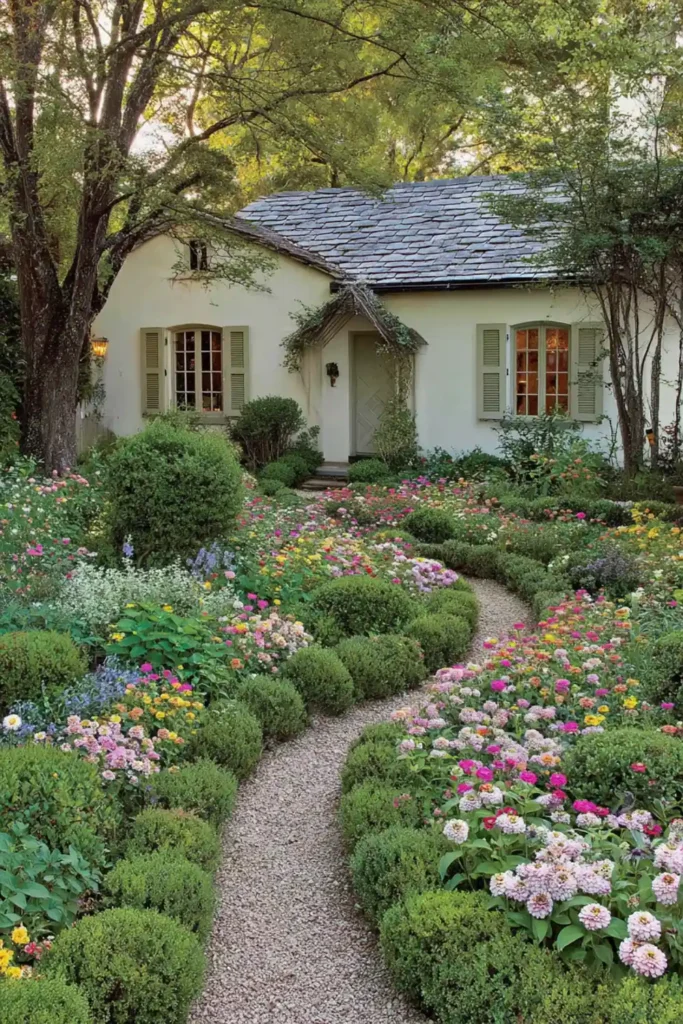
The most charming gardens often mix flowers, herbs, and shrubs for a relaxed, slightly wild look. I call these storybook gardens—they invite wandering, not just viewing.
This style works well when you combine different plant heights and textures. Boxwoods can create structure, while climbing vines like evergreen clematis add vertical interest. Around them, herbs such as pineapple sage and colorful flowers like zinnias bring fragrance and seasonal color into the garden.
The key is not to over-plan every inch. Leave space for plants to grow into each other naturally. A winding path through the garden or a small bench tucked into the greenery can turn a simple planting area into a space that invites people to slow down and enjoy it.
Make a Statement With Blooming Shrubs and Flowering Trees
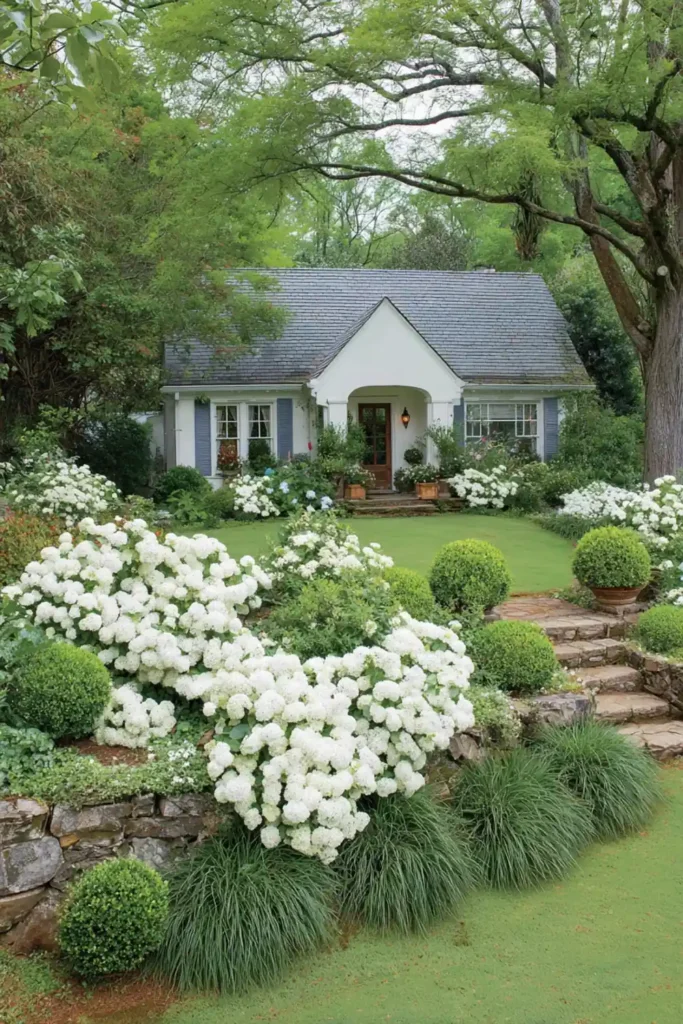
If you want the yard to make an impression without planting dozens of small flowers, blooming shrubs can do a lot of the work for you. Larger flowering plants create a strong visual impact and often require less constant attention than delicate annuals.
Viburnum, with round clusters of white blooms, always stands out. These shrubs, planted along a walkway or by the front, become a strong focal point.
When planting flowering shrubs, think about the long-term size of the plant. Give them enough space so they don’t feel crowded. Pairing them with smaller shrubs or ground plants around the base can also create layers that make the garden feel full and well-balanced.
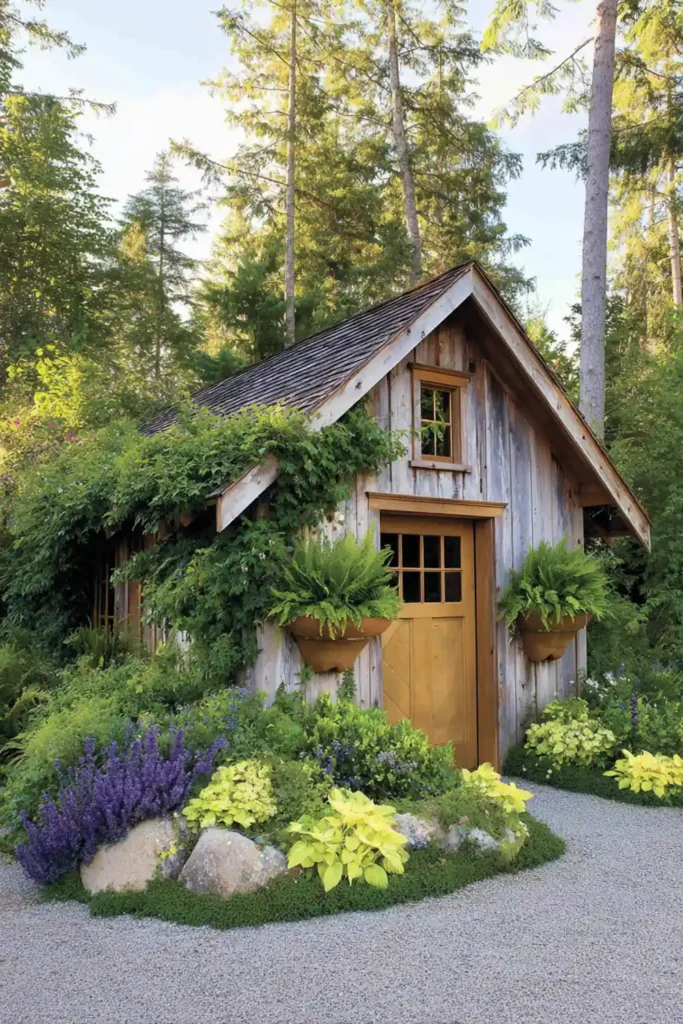
Soften Outdoor Structures With Climbing Plants and Greenery
Structures like sheds or garages can become part of the garden with plants. Let greenery soften these spaces so they blend naturally into the yard.
Climbing plants and potted flowers are effective. Planters on exterior shelves or brackets add color and texture. Ferns and trailing plants soften edges. Even a few planters near a shed entrance make it part of the garden.
If you’re working with a blank wall or a simple structure, try placing a few plants at different heights. Ground-level planters, climbing vines, and hanging containers together can create a layered look that feels natural rather than staged.
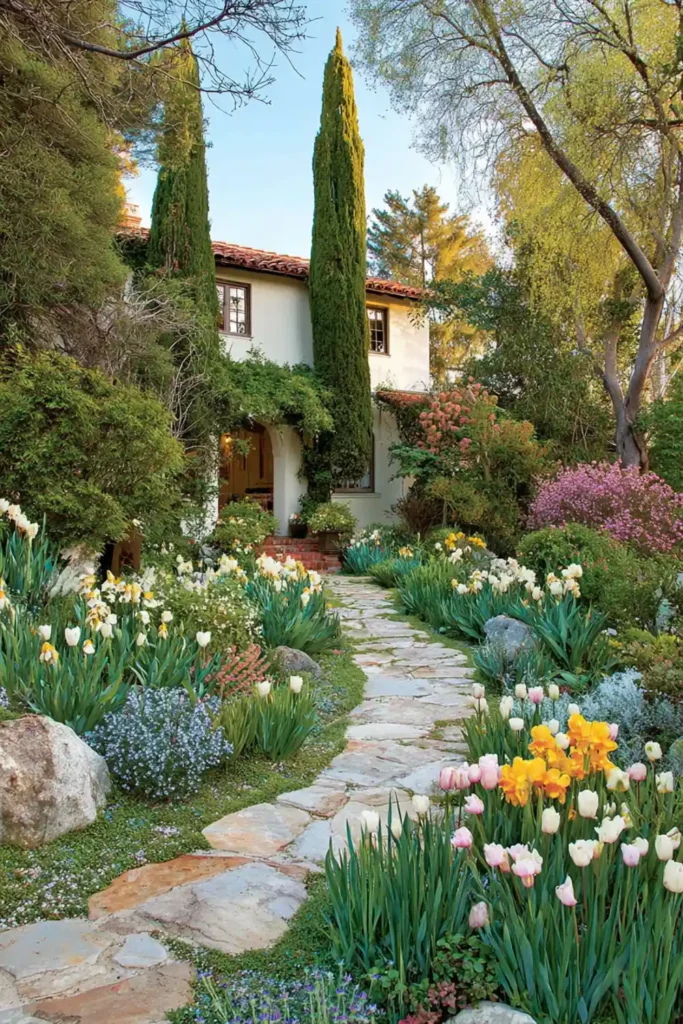
Design Sensory Garden Paths With Colorful Plants
Garden paths are more than ways to cross the yard. With the right plants, they’re among the most enjoyable areas. Think of them as slow routes, not shortcuts.
Planting alongside a path adds color and texture. Blues, purples, yellows, and pinks create variety, while dark foliage provides contrast. Pale blossoms and light grasses add subtle interest.
Keep path edges slightly loose. Letting plants gently lean over walkways makes gardens feel immersive and encourages a slower pace.
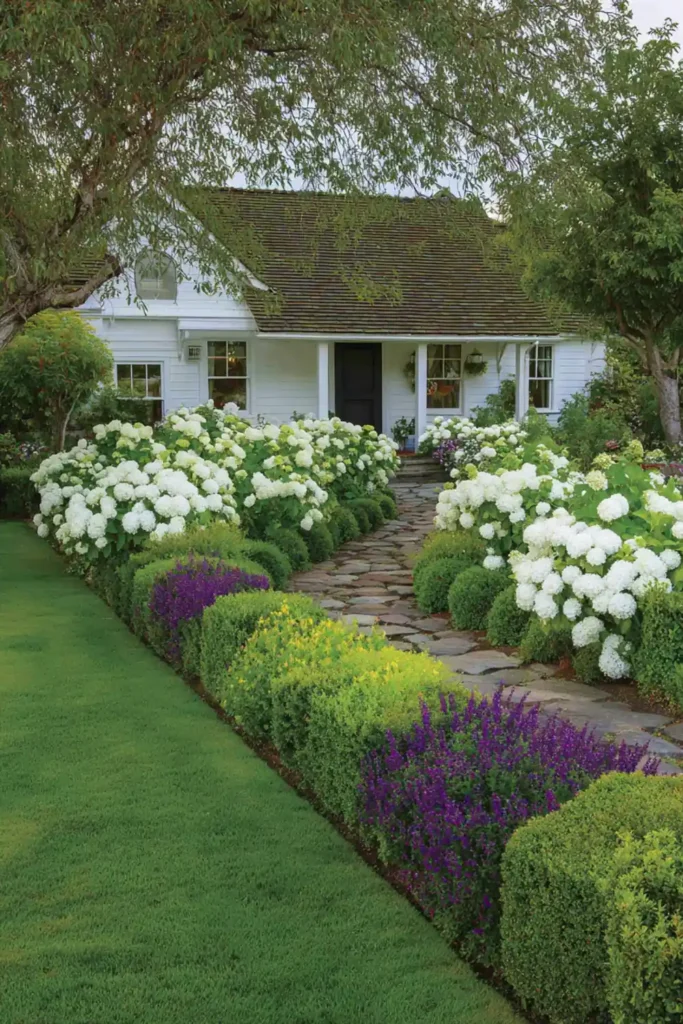
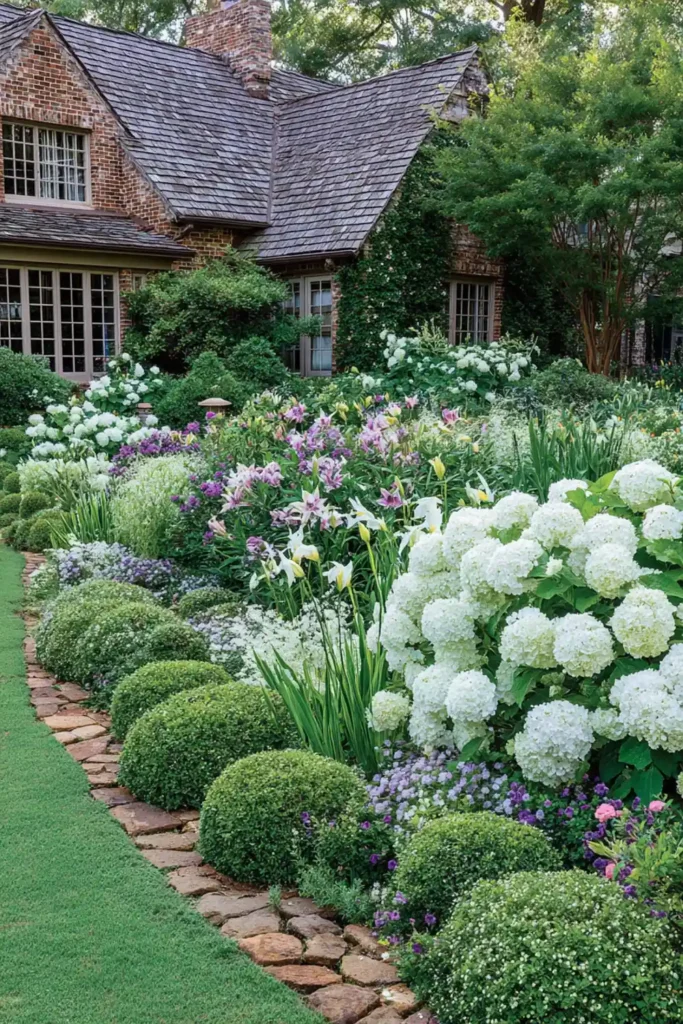
Classic Yard Landscaping Ideas With Hydrangeas and Boxwoods
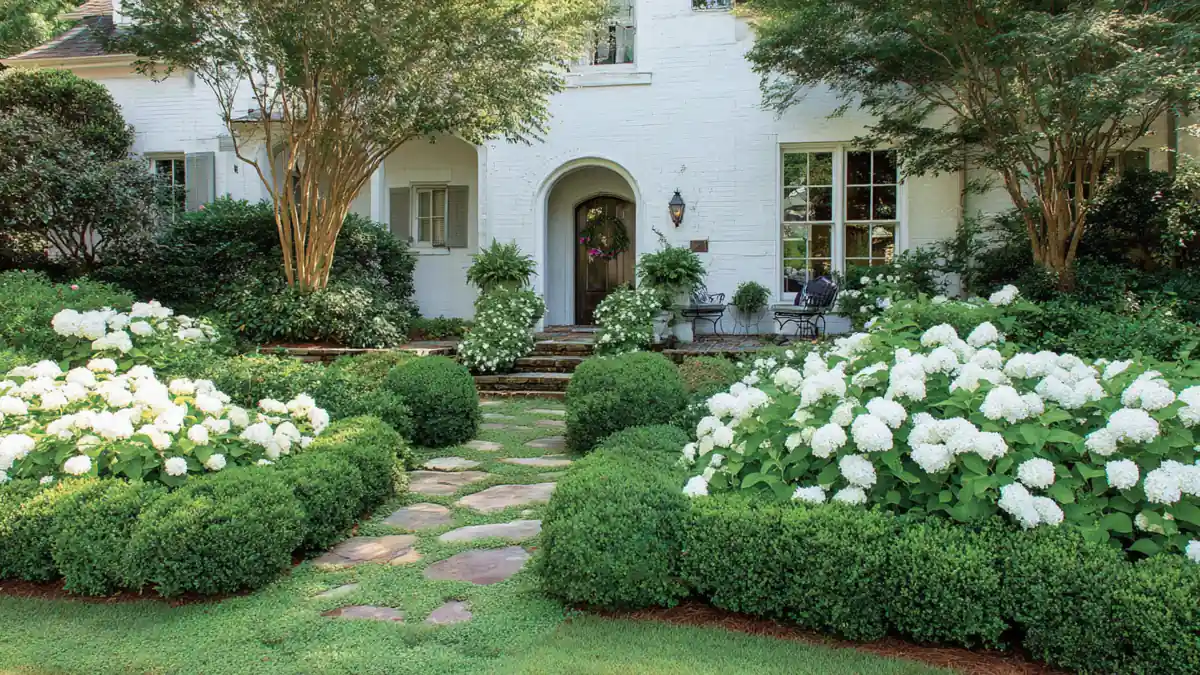
Some landscaping combinations stay popular for a reason. Hydrangeas paired with boxwood hedges are a classic example. I’ve seen this pairing work beautifully in many front yards because it balances structure with soft, colorful blooms.
Boxwoods provide structure beside walkways and borders. Hydrangeas add fullness and blooms. Ferns and seasonal flowers fit between them to add texture.
If you’re working on a front yard, try planting hydrangeas in small groups instead of spreading them out individually. Grouping plants together creates a stronger visual impact and makes the landscaping look more intentional.
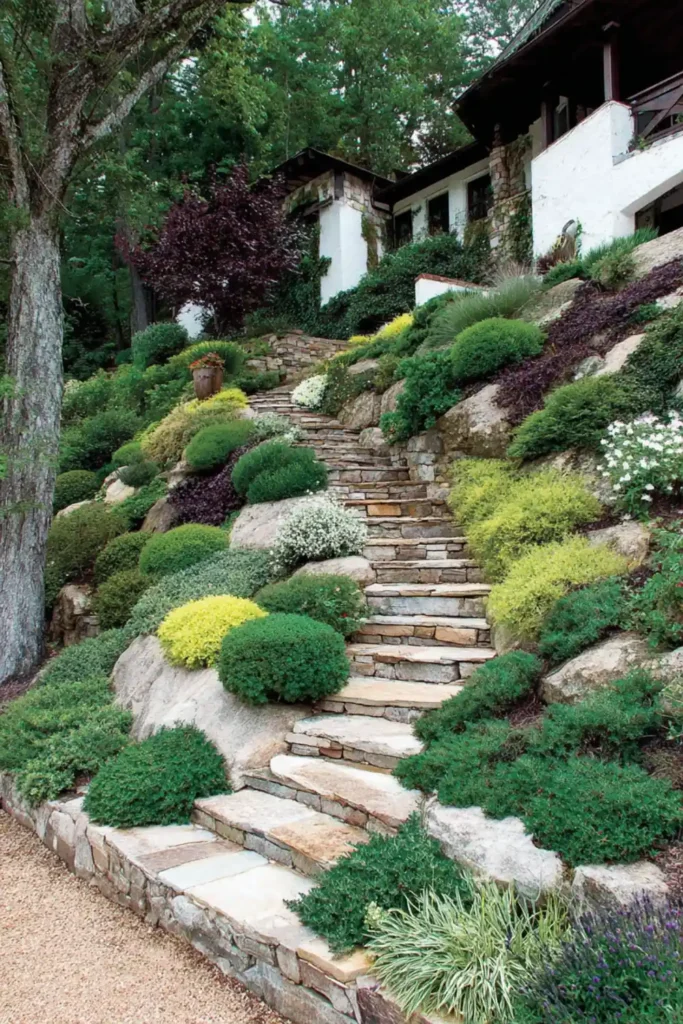
Terrace a Sloped Yard With Layered Garden Beds
Sloped yards can feel tricky to landscape, but they also offer an opportunity to create something visually interesting. Instead of fighting the slope, one of the most practical yard landscaping ideas is to break it into layers.
Terraces with low walls or raised beds divide a slope into smaller garden spaces. Each level features different plants, adding depth. Tall plants go in back, lower ones in front.
Stone steps or simple garden stairs connecting the terraces make the space easy to walk through. Over time, plants will soften the edges of the walls and stairs, making the entire yard feel like a natural extension of the landscape.
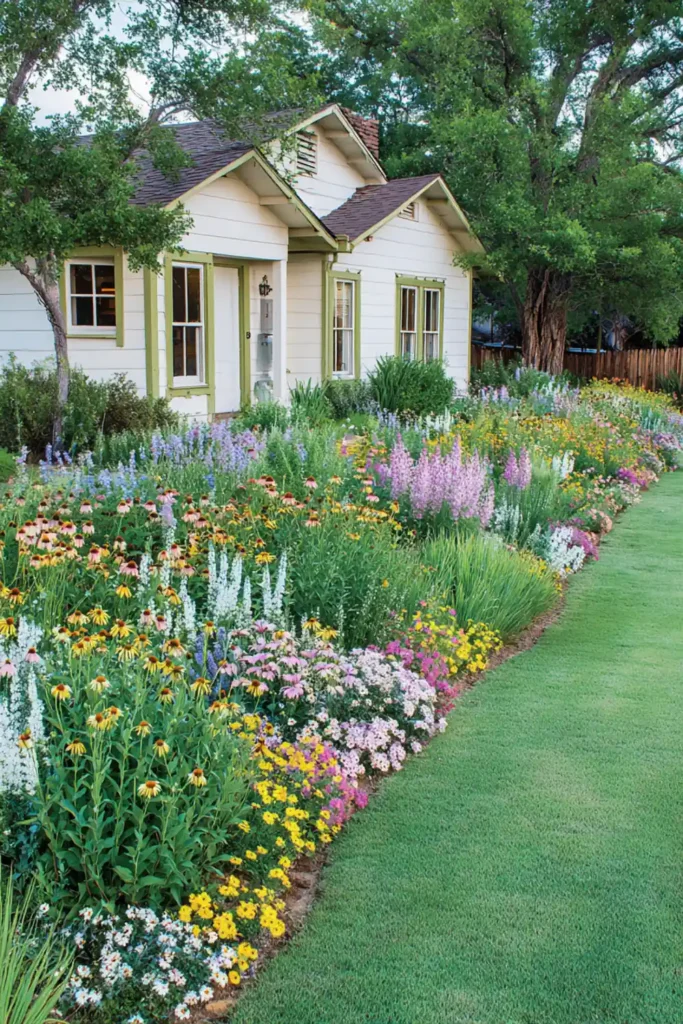
Plant Deer-Resistant Flowerbeds for Easy Care Landscaping
If you live in an area where deer wander through neighborhoods, landscaping can feel like a constant battle. One approach I’ve learned to appreciate is building flowerbeds with plants that deer usually leave alone. It doesn’t eliminate visits entirely, but it definitely reduces the damage.
Certain plants naturally discourage deer because of their scent or texture. Butterfly weed, globe thistle, and purple coneflowers are good examples. They bring color and structure to the garden while also being tough enough to handle changing weather. Butterfly bush varieties like ‘Royal Red’ can also add height and vibrant blooms without becoming a snack for passing wildlife.
When planting these beds, mix a few taller flowering plants with medium shrubs and lower perennials. The layered look feels fuller and more natural. Even if deer occasionally pass through, they’ll usually move on quickly when the garden isn’t filled with their favorite plants.
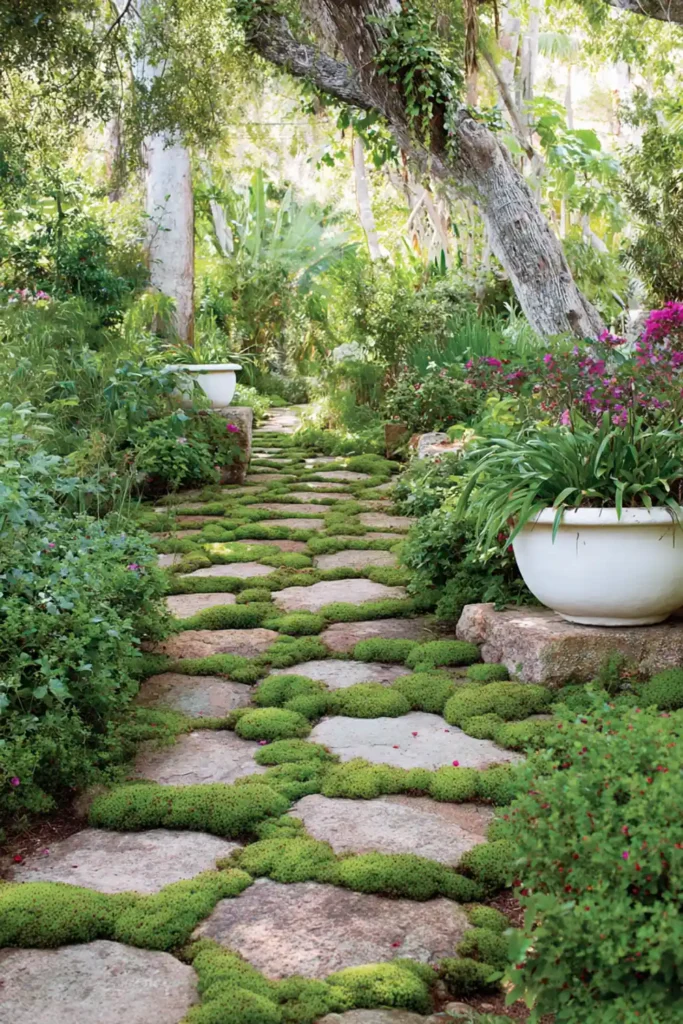
Add Ground Cover Between Pavers for Natural Walkways
Stone walkways look beautiful on their own, but adding ground cover between the pavers can make them feel more connected to the garden. Instead of wide empty gaps or plain gravel, living plants bring a softer and more natural look to the path.
Low-growing plants like dwarf mondo grass work especially well between stepping stones. They stay compact, tolerate light foot traffic, and create a neat green pattern around the pavers. In sandy or well-drained soil, they can spread gently without becoming invasive.
If you’re installing a new walkway, leave small gaps between the stones when placing them. That extra space gives ground cover room to grow in. Over time, the plants fill the gaps and make the path look like it naturally belongs in the yard rather than something dropped into it.
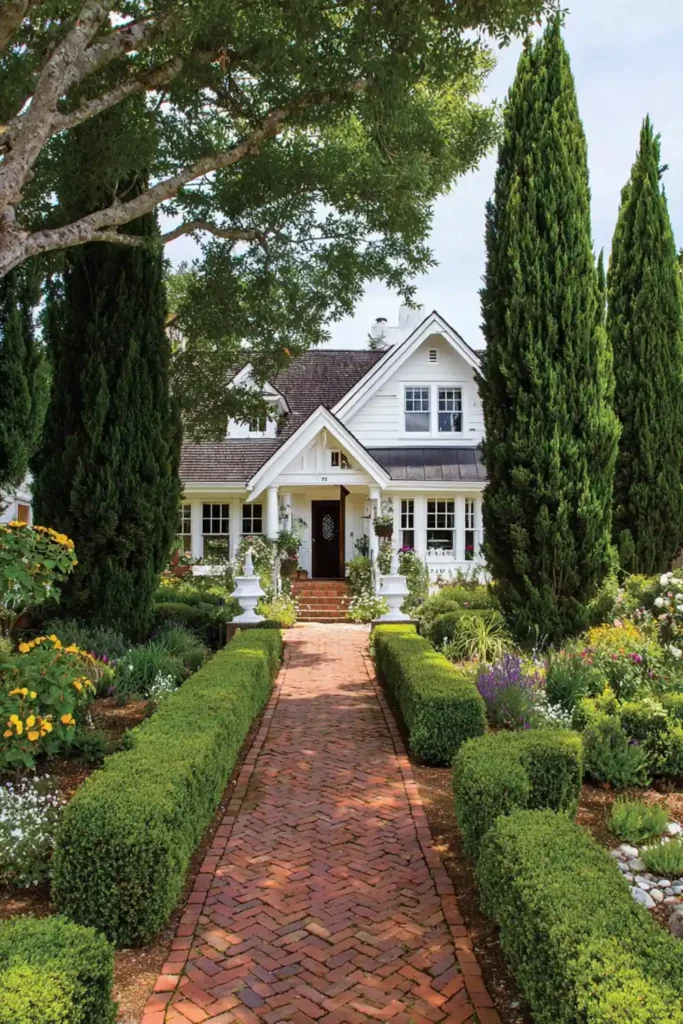
Frame Your Front Entry With Structured Hedges and Shrubs
The front entry is one of the first things people notice when approaching a home, so it helps when the landscaping gently draws the eye toward the door. A simple technique I’ve used is framing the entry with tall shrubs or hedges that guide the view inward.
Loose hedges placed on each side of a walkway or entry steps work nicely. Evergreens provide year-round greenery, while slightly taller shrubs near the doorway create a natural frame around the entrance. This arrangement gives the front yard a sense of structure without feeling too formal.
Try keeping the plants closest to the door slightly taller than the ones farther away. That subtle height change naturally leads visitors toward the entrance. Adding a few seasonal flowers or smaller plants near the base can soften the look and keep the entry feeling welcoming rather than rigid.
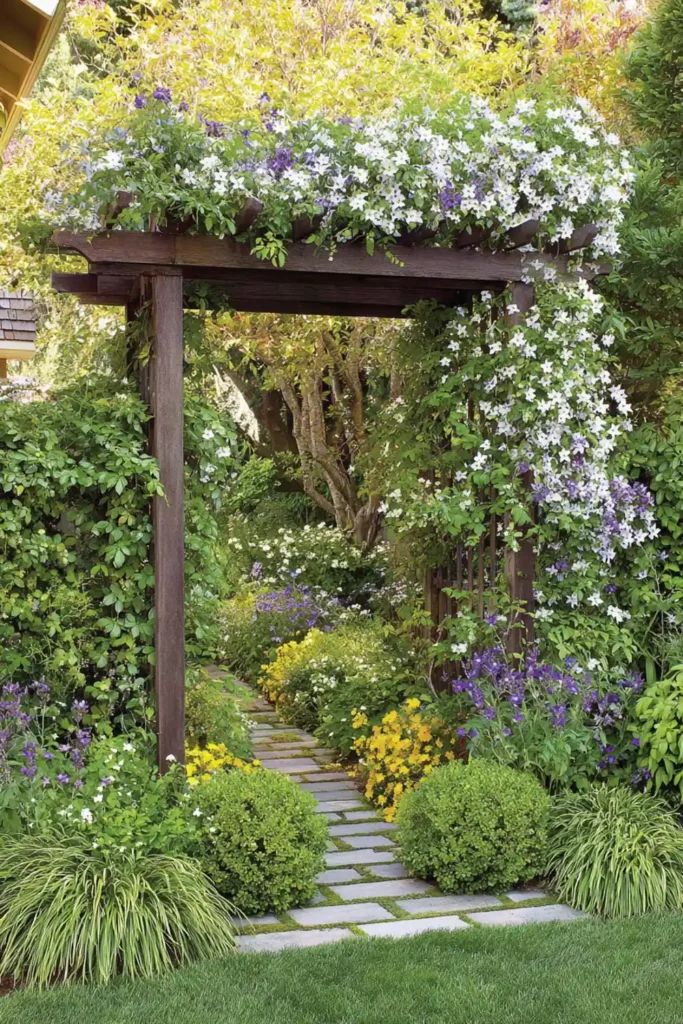
Grow Flowering Vines on Trellises and Garden Structures
Vertical plants can add a surprising amount of life to a yard. Flowering vines climbing along trellises, fences, or garden arches create height and movement that ground-level plants alone can’t provide. I’ve always liked how vines turn simple structures into living features.
Clematis is one of my favorites for this purpose because it comes in a wide range of colors—blue, purple, red, pink, and white. When it climbs along a trellis or fence, the flowers appear at eye level, which makes them easier to enjoy while walking through the garden.
If you’re adding vines to the yard, place the trellis where the plant has room to grow upward without crowding other plants. Over time, the vines will fill in the structure, creating a natural wall of color that makes the garden feel fuller and more layered.
Welcome Guests With Flower-Filled Entry Gardens
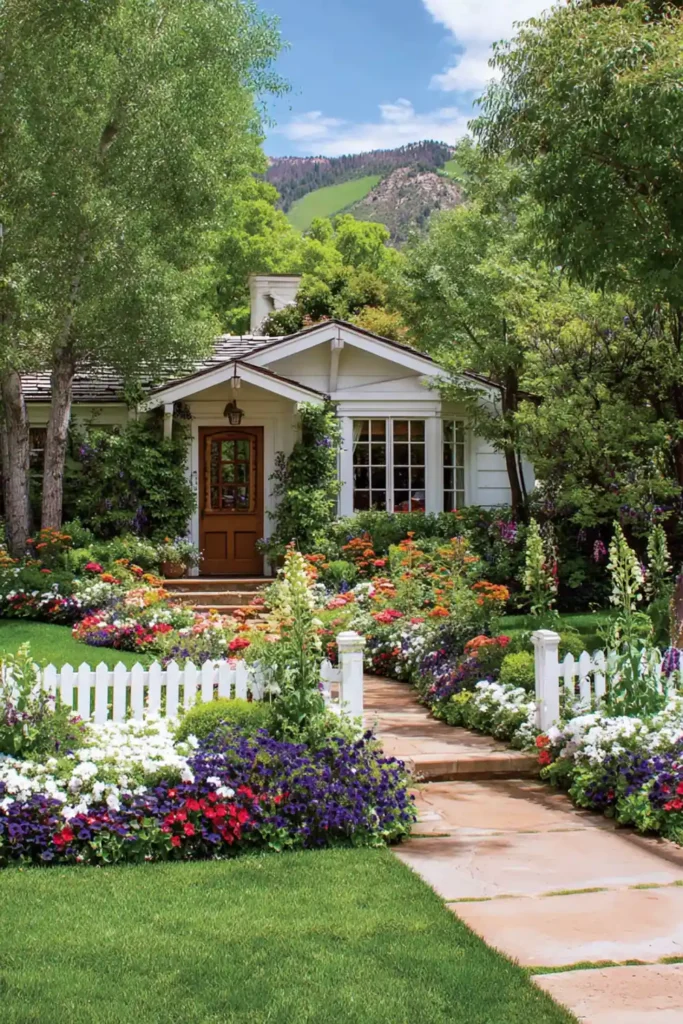
A welcoming entry garden can completely change the first impression of a home. Even a small strip of planting along the front fence or walkway can create a sense that the yard is alive and cared for. I’ve always liked the look of entry gardens filled with bright seasonal flowers because they instantly make a house feel more inviting.
A low fence or border can help define the planting area without blocking the view. Inside the space, a mix of flowers like petunias, snapdragons, and roses adds color and variety. Taller plants toward the back and shorter blooms near the walkway keep the garden from feeling crowded while still creating a full display.
One simple trick is to plant flowers in clusters rather than scattering them randomly. Small groups of the same plant create a stronger visual effect and make the garden look more intentional. When the flowers bloom together, the whole entry area feels lively and welcoming.
Enclose the Garden With Decorative Fencing and Vines
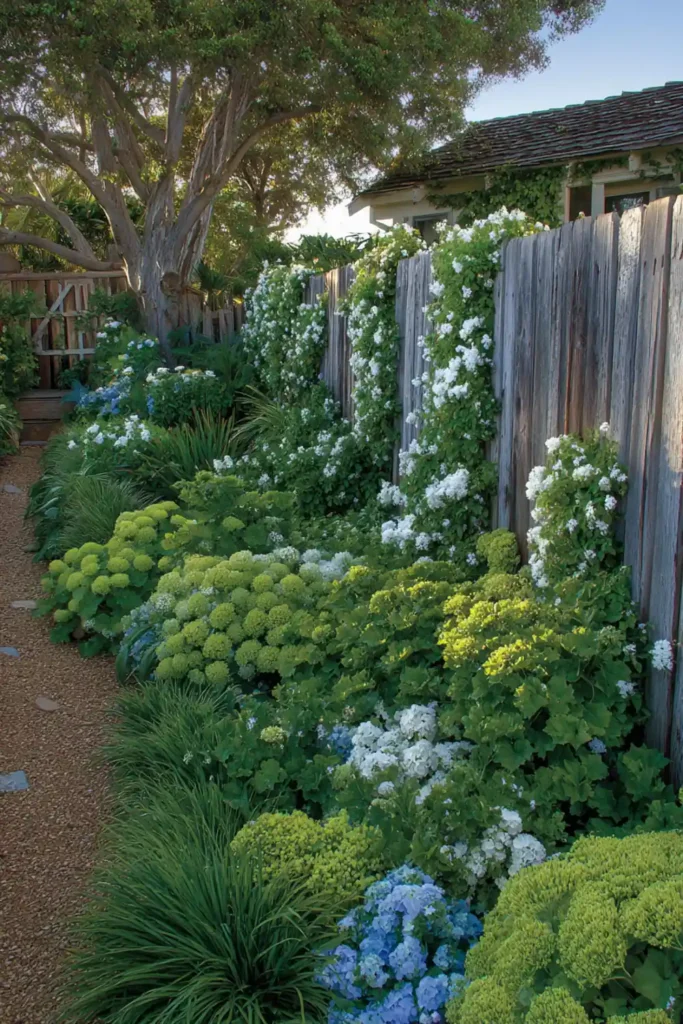
Sometimes a yard feels more comfortable when it has a clear boundary. A decorative fence can help define the garden while also giving climbing plants a place to grow. I’ve seen this approach work especially well in backyard gardens where people want a sense of privacy without completely closing the space off.
Simple wood or metal fencing can support trailing vines and flowering shrubs. Over time, the plants soften the fence and make it feel more like part of the landscape rather than a barrier. Flowering vines climbing through the fence can also add seasonal color throughout the garden.
If you’re planning a fence for the garden, leave small planting areas along the base. That space allows shrubs or climbing plants to grow naturally around the structure. As the plants mature, the fence gradually blends into the garden instead of standing out.
Plant Bulbs for Year-Round Seasonal Color
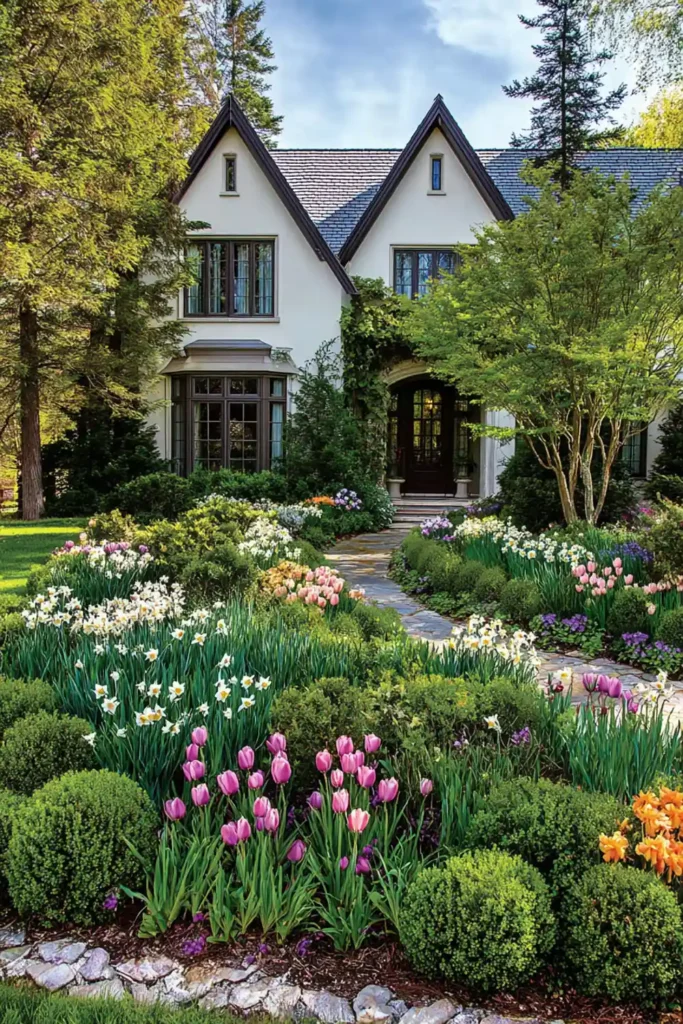
One of the easiest ways to keep a yard interesting throughout the year is by planting bulbs that bloom in different seasons. I started experimenting with this after noticing how quickly many gardens fade once spring flowers disappear. With the right mix of bulbs, the garden can stay colorful much longer.
Early bloomers like snowdrops, crocuses, and daffodils appear just as winter starts fading. Later in the season, tulips and lilies take their turn. Toward the end of summer and into fall, plants like gladiolas and spider lilies can keep the garden active when many other flowers have slowed down.
The key is planting bulbs in layers rather than placing them all in one spot. When you spread them throughout different garden beds, blooms appear across the yard as the seasons change. It creates a garden that always feels like something new is about to bloom.
Create a Cozy Outdoor Seating Area in the Garden
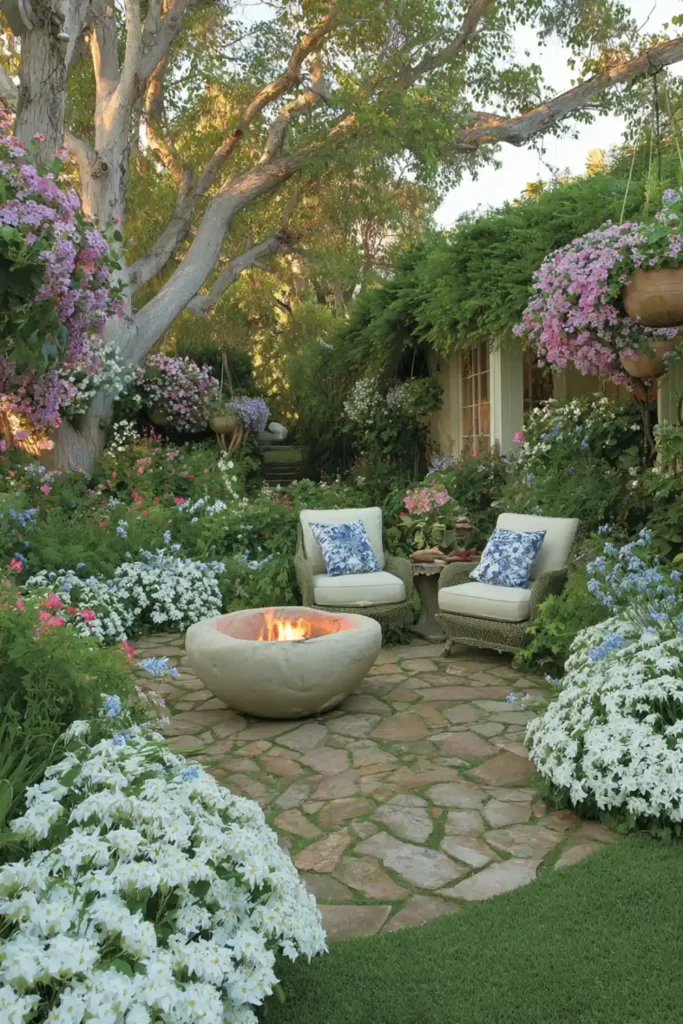
Even the most beautiful yard feels incomplete without a place to sit and enjoy it. A small seating area tucked into a quiet corner of the garden can turn the yard into a space where people naturally want to spend time.
You don’t need a large patio for this idea to work. A simple table with two cushioned chairs can create a comfortable spot for morning coffee or evening conversation. Surrounding the area with potted plants, colorful borders, or hanging baskets helps the space feel connected to the garden.
Adding a fire pit nearby can extend the usefulness of the seating area into cooler evenings. The gentle light from a small fire or outdoor lantern creates a relaxed atmosphere that makes the yard feel more like an outdoor living room.
Decorate Windows With Seasonal Window Box Gardens
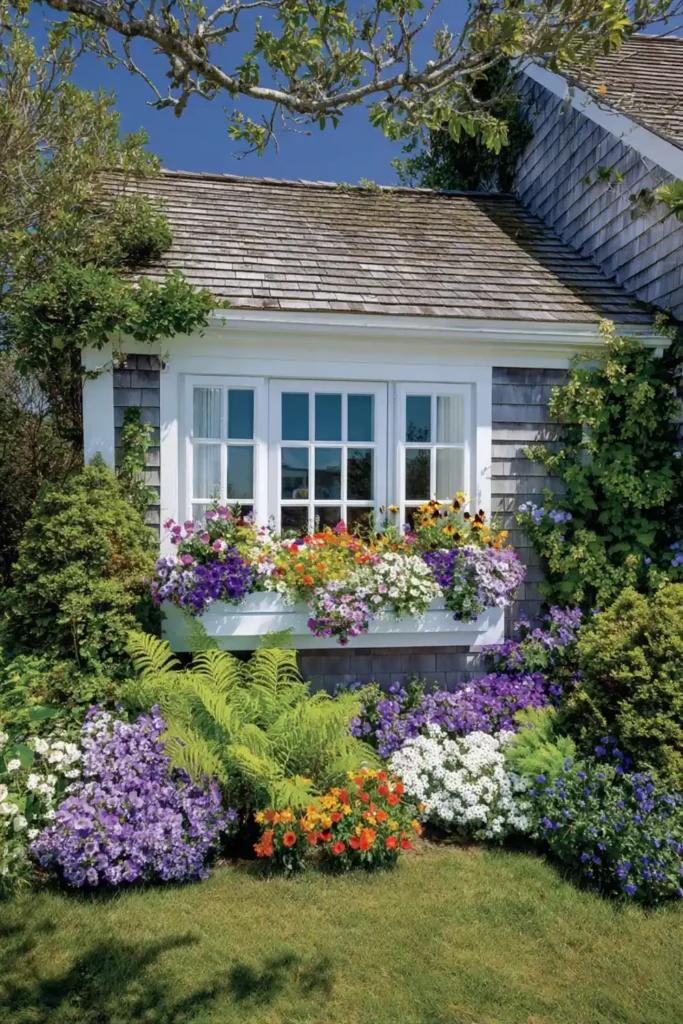
Window boxes are one of those simple touches that can quietly improve the look of a house from the outside. I’ve always liked how they add color right where the house meets the yard. Instead of the garden staying at ground level, window boxes bring plants up into view.
A well-filled box usually combines a few different plant types. Small shrubs or compact plants provide structure, while trailing vines soften the edges as they spill slightly over the sides. Ferns add a delicate texture, and seasonal flowers can bring changing colors throughout the year.
If you want the boxes to look balanced, try planting in small repeating groups rather than a random mix. For example, place a compact shrub in the center and surround it with trailing vines and seasonal blooms. Changing a few of the plants as the seasons shift keeps the house feeling fresh without needing a full redesign.
Design a Lush Shade Garden With Layered Foliage
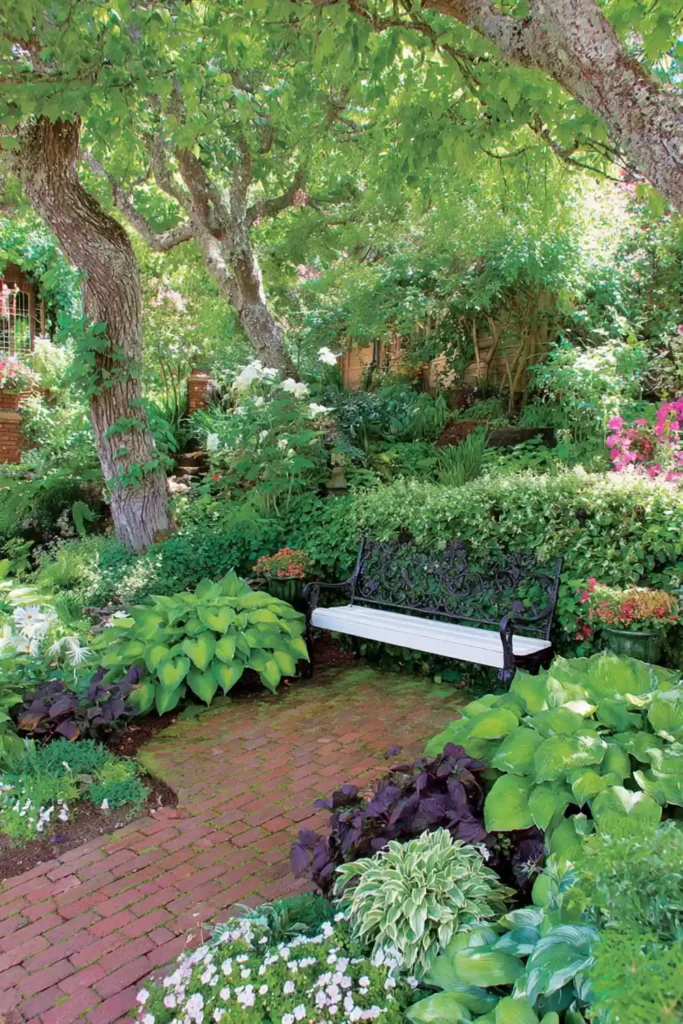
Not every yard gets full sun, but shaded areas can actually become some of the most peaceful parts of the garden. I’ve found that shade gardens feel especially calm when the focus shifts from bright flowers to interesting foliage.
Plants with deep green, blue-gray, or burgundy leaves create a layered look that feels rich even without a lot of blooms. Mixing shrubs and perennials with different leaf shapes helps the garden feel varied and full. Some plants with golden or lighter foliage can brighten darker corners without needing direct sunlight.
When arranging a shade garden, think in layers. Taller shrubs can sit at the back of the planting bed while smaller plants fill the front. This creates depth and keeps the space from looking flat. Even a small shaded corner can become a comfortable garden spot with the right mix of foliage.
Add Low-Maintenance Lilies for Reliable Summer Blooms
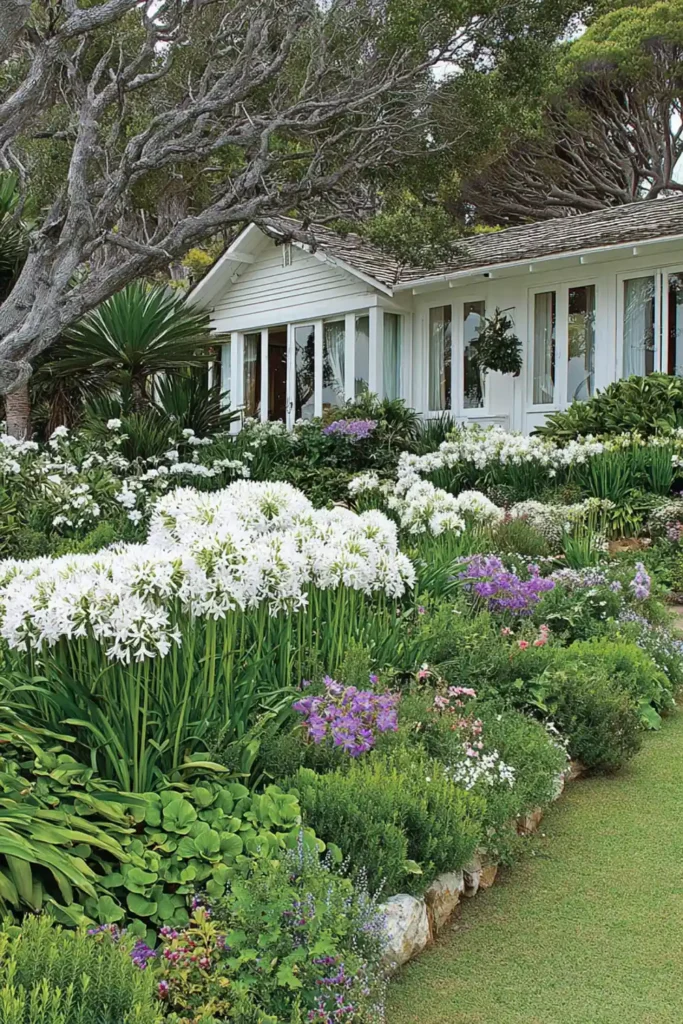
Some plants are worth including in almost any yard simply because they’re dependable. Lilies fall into that category for me. Once established, they return year after year with very little effort, and their blooms add a strong presence to the garden during the warmer months.
Crinum lilies, in particular, are known for their ability to thrive with minimal attention. Their tall stems and large flowers stand above surrounding plants, which makes them great for filling empty spaces in flowerbeds or adding height to garden borders.
If you’re planting lilies, give them enough space to spread over time. They often grow into impressive clumps that become natural focal points in the garden. Pairing them with lower shrubs or ground plants helps anchor their height and makes the planting bed feel more balanced.
Build Raised Garden Beds for Flowers, Herbs, and Vegetables
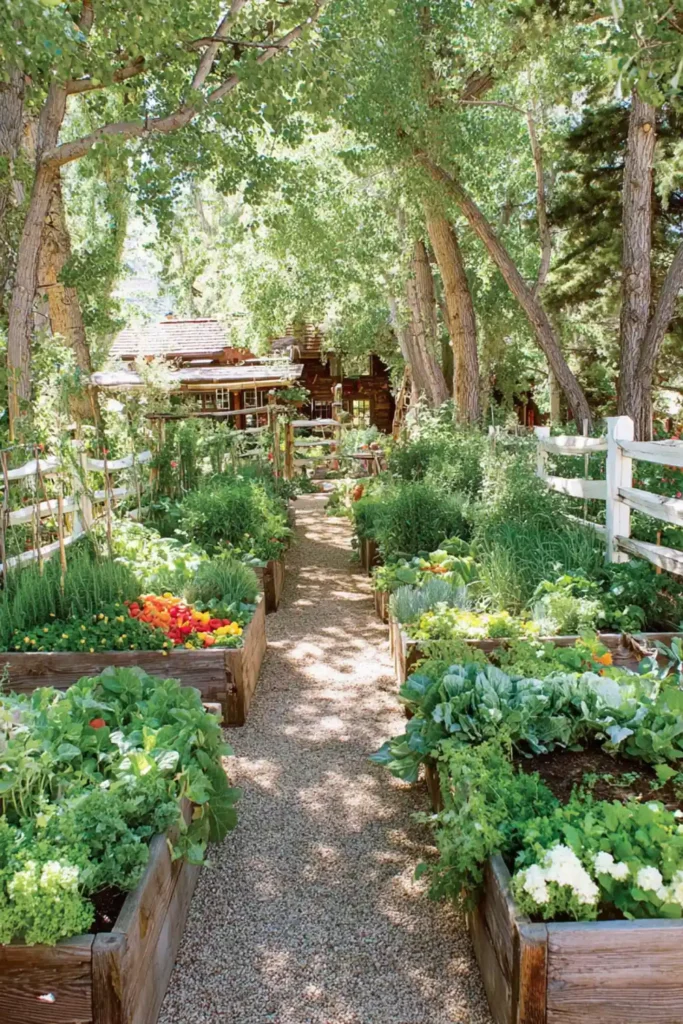
Raised beds are one of the most practical yard landscaping ideas I’ve tried. They make gardening easier to manage and give the yard a structured look at the same time. Even a few simple beds can turn part of the yard into a productive and attractive garden space.
These beds can be built from wood timbers, simple kits, or other sturdy materials. Filling them with rich soil helps plants grow better than they often do in compact ground soil. Raised beds also make it easier to organize plants, whether you’re growing herbs, vegetables, or flowers.
Placing the beds in neat rows or small groupings keeps the space feeling tidy. Adding a simple path between the beds allows easy access for watering and harvesting. Over time, the garden becomes both useful and visually pleasing as the plants fill in.
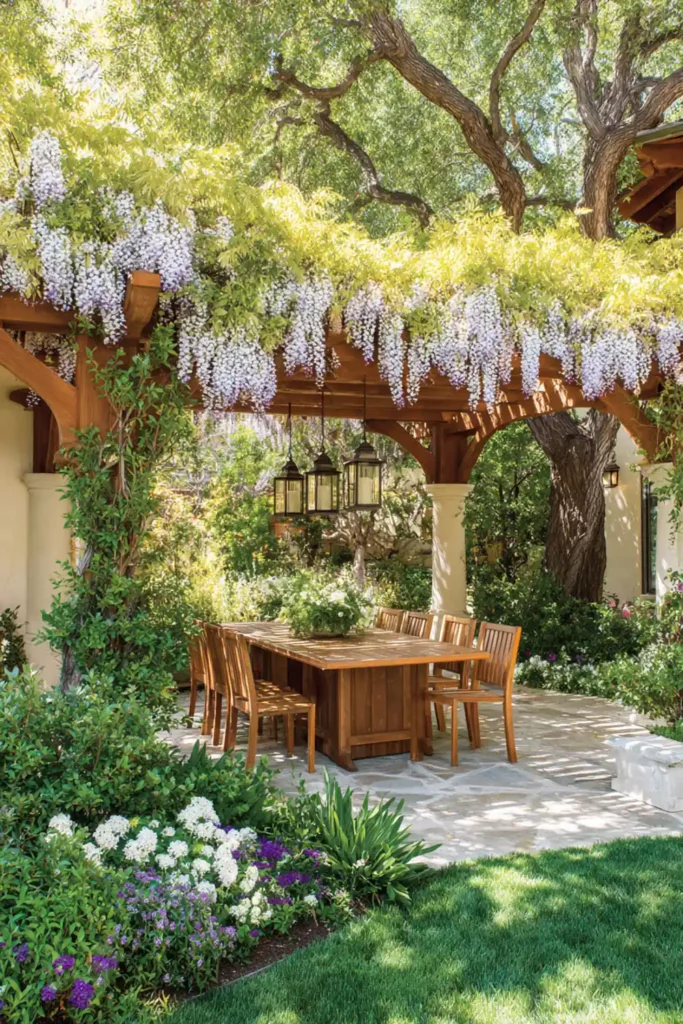
Install a Pergola Dining Area Covered in Wisteria
A pergola can completely change how a backyard feels. Instead of just having open space, it creates a place that feels defined and comfortable to spend time in. I’ve always liked pergolas because they offer a bit of shade while still keeping the space connected to the outdoors.
An iron or wooden pergola placed over a dining table instantly creates an outdoor room. When climbing plants like wisteria grow across the top, the structure slowly turns into a living canopy. During the warmer months, the hanging flowers and leaves soften the structure and create natural shade.
Adding a few hanging lanterns or a small outdoor fireplace nearby can make the area even more inviting in the evening. Even a simple dining table under the pergola can become a favorite place for family meals or quiet weekend mornings.
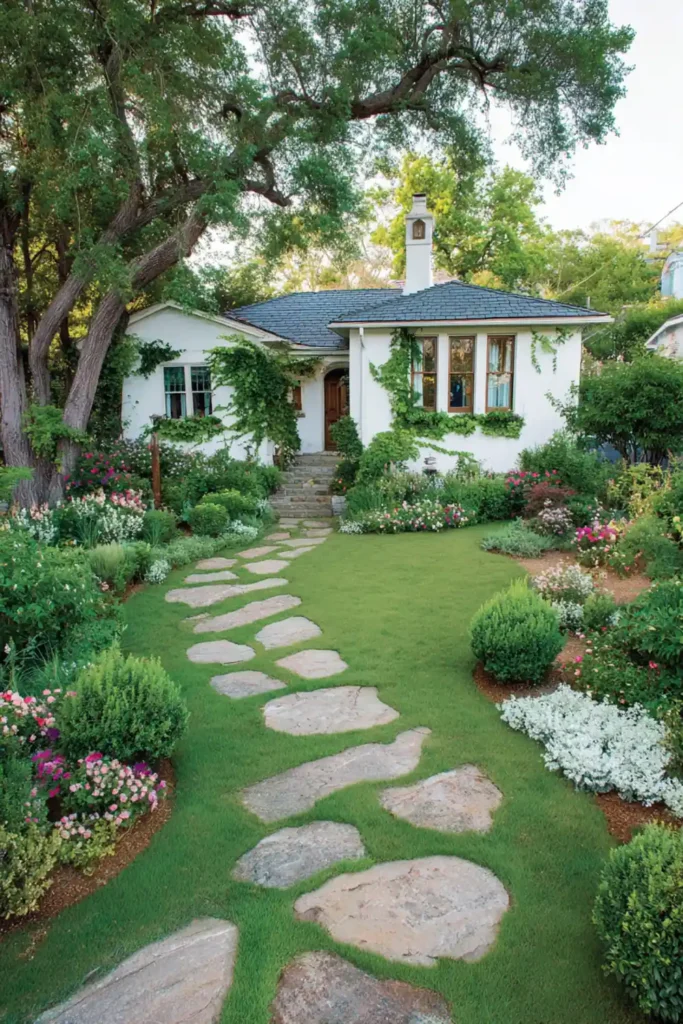
Add Stone Garden Paths to Guide Movement Through the Yard
Garden paths help organize the yard and encourage people to explore it. Without clear walkways, lawns and planting beds can feel disconnected. A simple path made from stepping stones or gravel can tie the whole landscape together.
Stone paths work especially well because they blend naturally with plants and soil. Placing stones a comfortable walking distance apart creates a relaxed pathway that doesn’t feel overly formal. Edging the path with grass or small plants helps soften the look and keeps the stones from feeling isolated.
If you’re designing a path, think about where people naturally walk across the yard. Following those natural routes often creates the most comfortable layout. Over time, plants along the edges will grow in and make the path feel like it has always belonged there.
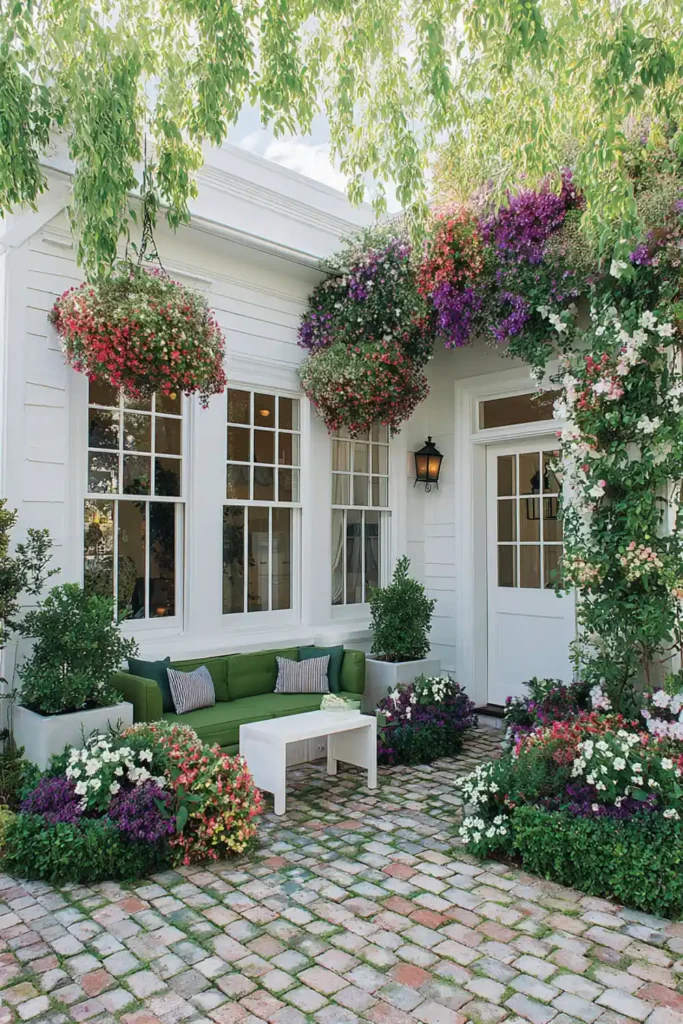
Use Hanging Baskets and Elevated Planters for Vertical Interest
When everything in the yard stays close to ground level, the space can feel a little flat. Adding plants at different heights is a simple way to make the landscape feel fuller. Hanging baskets and elevated planters are an easy way to introduce that vertical interest.
Baskets hanging from porch beams or garden hooks can hold colorful plants like begonias or trailing greenery. Elevated planters placed around patios or walkways lift plants slightly above the surrounding beds, which draws the eye upward.
A good approach is to mix different heights rather than placing everything at the same level. Hanging plants above seating areas and taller planters near entryways can create layers that make the yard feel more lively and visually balanced.
Plan Flowerbeds for Color in Every Season
One thing I’ve learned about gardening is that timing matters. Some yards look beautiful for a few weeks in spring and then become fairly quiet for the rest of the year. Planning flowerbeds with different blooming seasons can keep the yard interesting much longer.
Early spring might start with daffodils or flowering shrubs. Summer brings plants like hydrangeas, daylilies, and zinnias. Later in the year, flowers such as asters or mums can carry the color into fall. Even winter plants like holly or evergreen shrubs help maintain visual interest.
When planning a flowerbed, try mixing plants that bloom at different times rather than planting everything that flowers together. As one plant fades, another begins blooming, which keeps the garden feeling active throughout the seasons.
Replace Grass With Low-Maintenance Ground Covers
Large areas of lawn can be surprisingly demanding. Between mowing, watering, and patching bare spots, grass often needs more attention than many homeowners expect. One alternative I’ve found helpful is replacing some lawn areas with ground covers that require much less upkeep.
Plants like mondo grass or creeping phlox spread naturally across the soil, forming a soft green carpet. On sloped areas where mowing can be difficult, these plants are especially useful. Once they settle in, they help stabilize the soil and reduce erosion while still keeping the yard looking green.
Ground covers also work nicely between garden beds or along pathways where grass struggles to grow. Over time, they fill in the empty spaces and make the landscape feel more connected. Instead of several separate patches of lawn and soil, the yard begins to flow together more naturally.
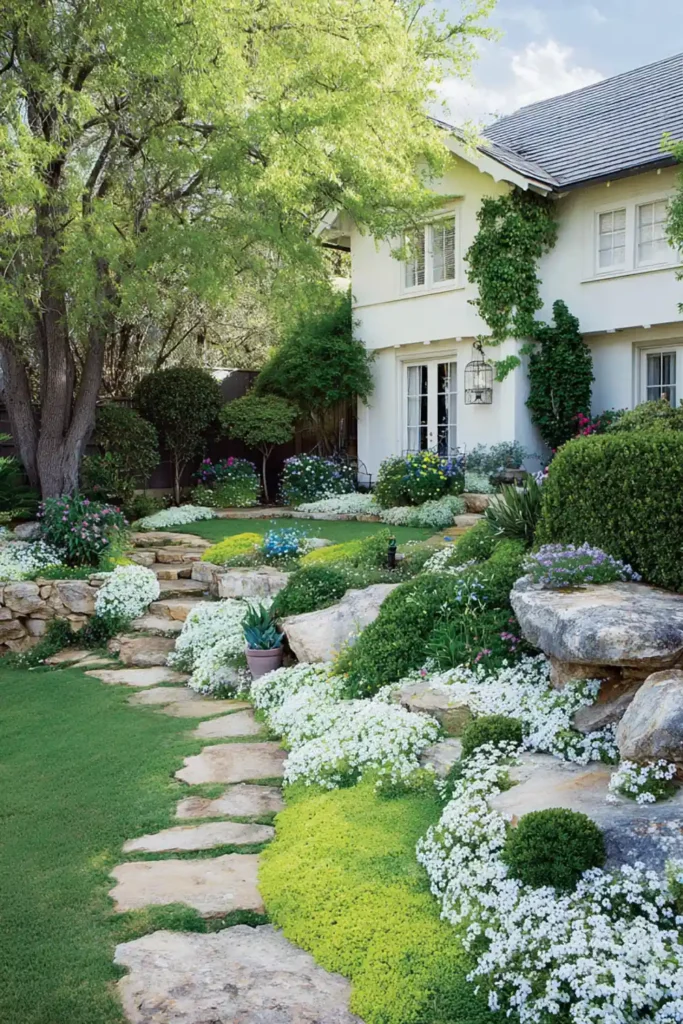
Decorate Walkways and Patios With Potted Plants
Containers are one of the easiest ways to experiment with landscaping ideas without committing to permanent changes. I’ve used potted plants around walkways and patios many times, especially when a space feels a little empty but doesn’t need a full garden bed.
Large pots placed near an entryway or along a path help frame the space and guide people through the yard. Plants like hydrangeas or small topiaries work well because they hold their shape and provide structure. Smaller pots can be grouped together to create a layered display with different heights.
The nice thing about containers is that they can move with the seasons. If a plant needs more sun or shade, the pot can simply be repositioned. This flexibility makes potted plants one of the most practical landscaping tools for homeowners.
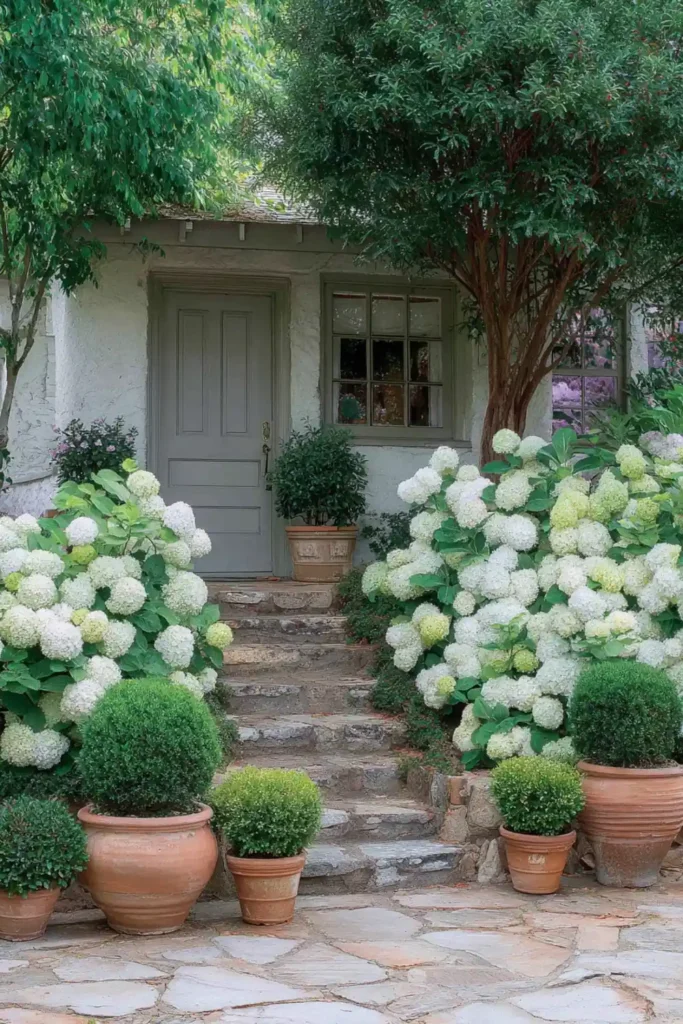
Design a Hidden Garden Room With Paths and Fountains
Some gardens become much more interesting when they reveal spaces gradually. A hidden garden room tucked behind taller plants or hedges can create a quiet corner that feels separate from the rest of the yard.
These spaces often work best when connected by winding paths. As you follow the path, the garden slowly opens up to a small sitting area with a bench, a fountain, or a statue surrounded by flowers. The layered plants around the edges help create a sense of privacy.
Even a small yard can include this idea. A curved path leading to a bench behind taller shrubs can create the feeling of a secluded garden retreat. The key is using plants and pathways to gently guide visitors toward the space rather than revealing everything at once.
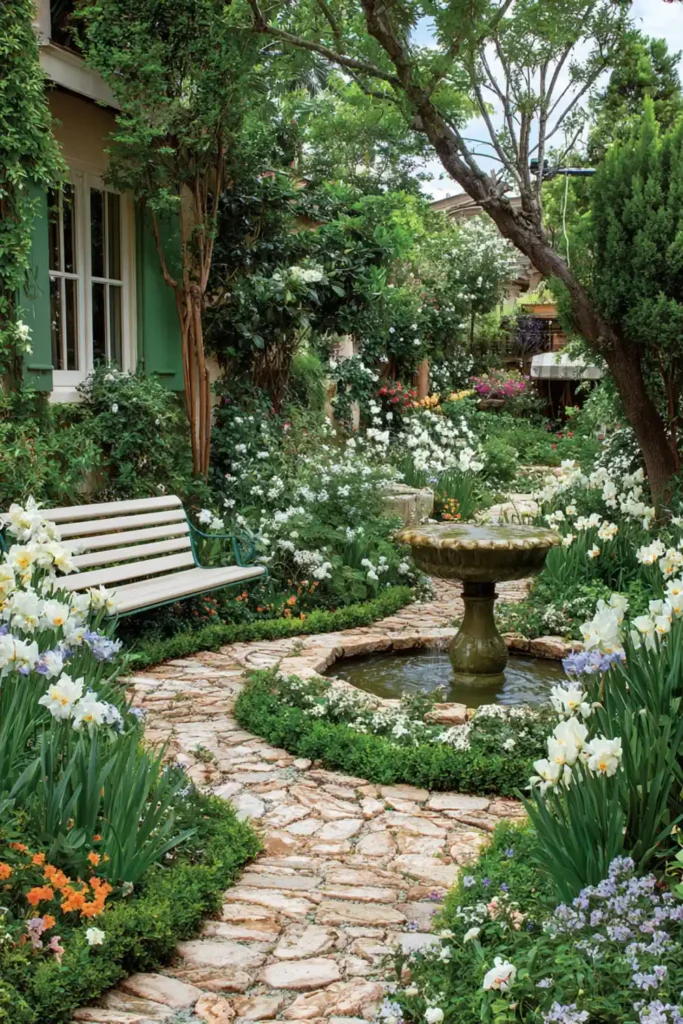
Create a Formal Parterre Garden With Symmetrical Hedges
For homeowners who prefer a more structured landscape, a parterre garden offers a beautiful option. These gardens use geometric planting beds arranged in symmetrical patterns, often bordered by low evergreen hedges.
Boxwood and similar shrubs are commonly used because they hold their shape well and respond nicely to trimming. The square or rectangular beds between the hedges can then be filled with flowers, herbs, or seasonal plants that bring color into the pattern.
Parterre gardens work best on fairly level ground where the symmetrical layout can be clearly seen. Placing one near a patio or terrace allows the design to be viewed from above, which highlights the neat structure of the beds and paths.
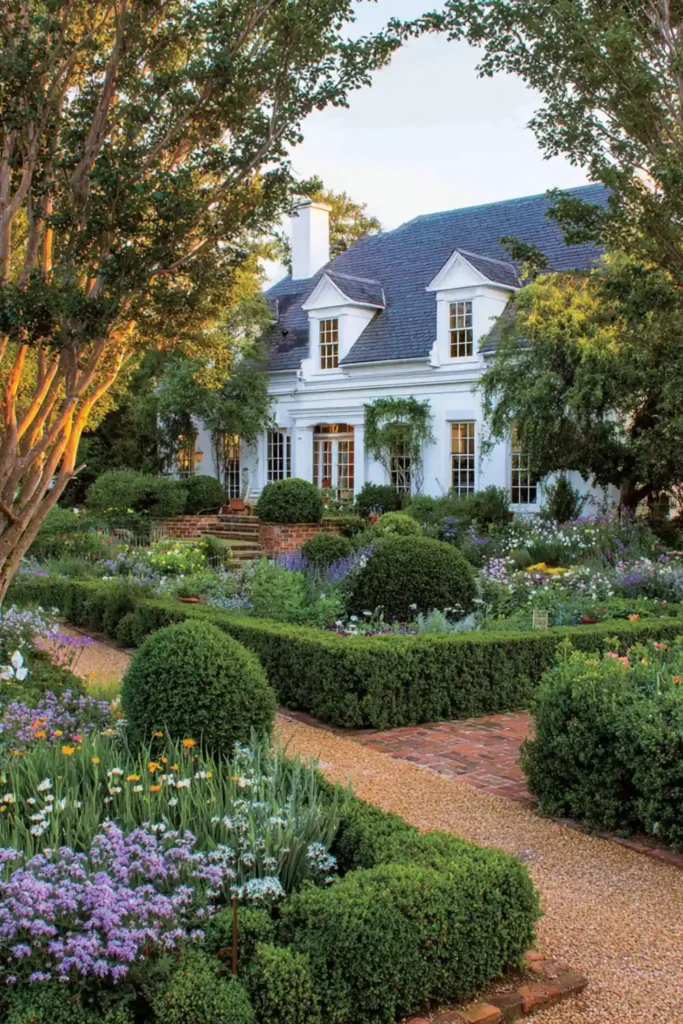
Build an Outdoor Living Room in the Backyard
One thing that has made the biggest difference in my own yard is treating part of it like an outdoor living room. Instead of thinking of the backyard as just lawn and garden beds, adding a dedicated seating area makes the space far more inviting.
This can be as simple as arranging outdoor chairs and a small table under a pergola or near a garden wall. Trellises with climbing plants, potted greenery, and soft outdoor lighting help define the space without building full walls. A few candles or lanterns placed on the table can make the area feel relaxed in the evening.
When planning an outdoor room, try to position it where it feels slightly sheltered. A fence, hedge, or grouping of plants behind the seating area can create a sense of enclosure. That small detail often makes the space feel more comfortable and encourages people to linger outside longer.
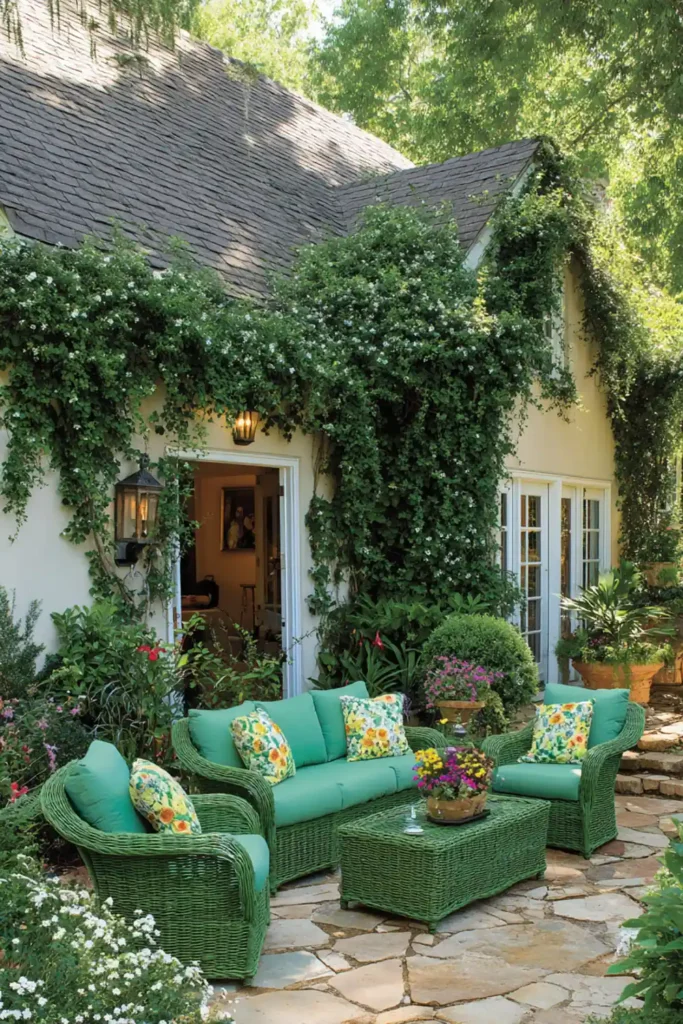
Define Garden Spaces With Brick or Stone Edging
Edging is one of those landscaping details that often goes unnoticed until it’s missing. Without it, lawns and garden beds can slowly blend together, making the yard look less organized. Adding edging helps clearly define each area of the landscape.
Materials like brick, stone, or wood can create clean borders along flowerbeds and pathways. These borders guide the eye and keep grass from creeping into planting areas. In my experience, even a simple line of bricks along the edge of a garden bed can make the whole yard look tidier.
When installing edging, follow the natural curves of the garden rather than forcing perfectly straight lines. Gentle curves often feel more natural and help the landscape blend smoothly with the rest of the yard.
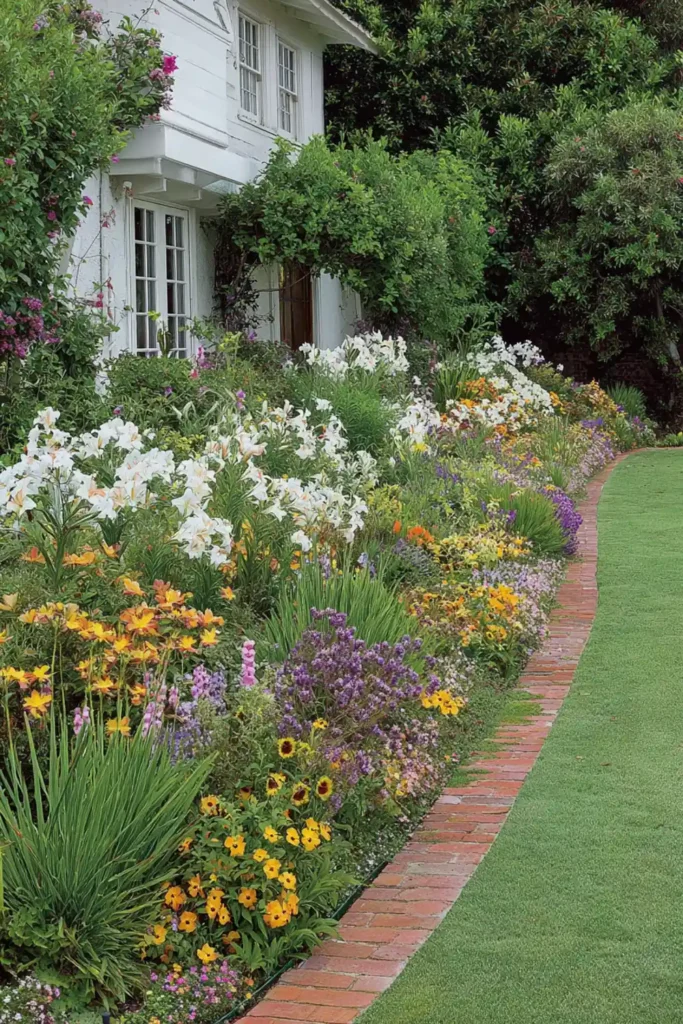
Add Natural Privacy With Arborvitae Hedge Fencing
Sometimes the best fence isn’t made of wood or metal but of plants. Arborvitae hedges are a popular choice for creating privacy while still keeping the yard feeling green and natural.
Varieties like Emerald Green arborvitae grow in tall, narrow shapes that work well along property boundaries. Planted in a row, they gradually form a living screen that blocks views without feeling heavy or closed in.
When planting a hedge, spacing matters. Leaving enough room between each tree allows them to grow fully while eventually filling in the gaps. Over time, the row becomes a solid green wall that feels much softer than a traditional fence.
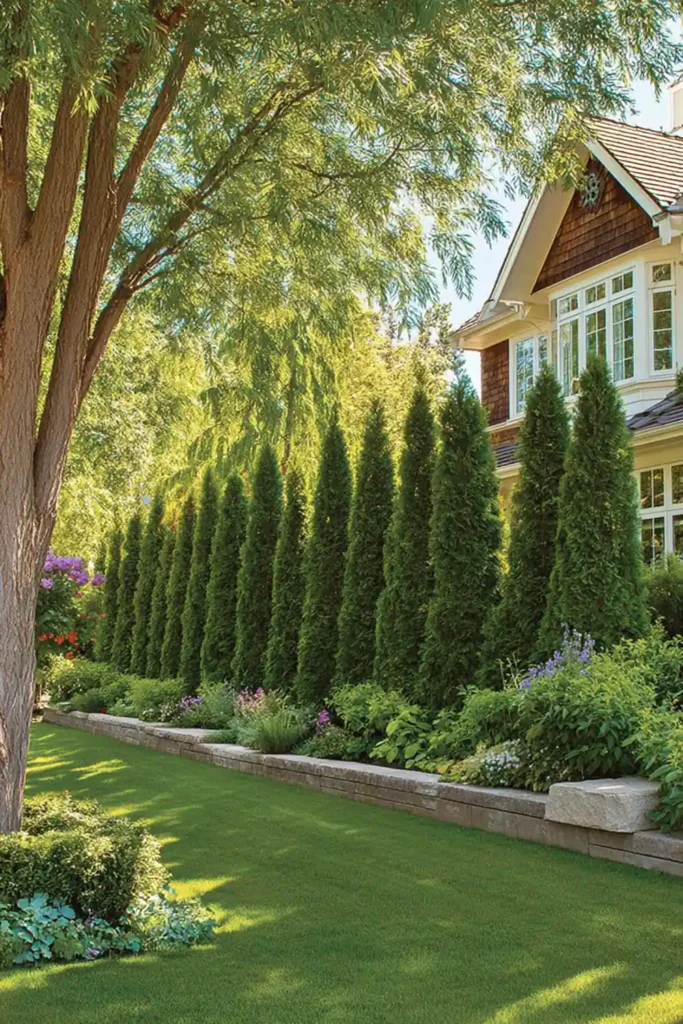
Keep Small Yards Neat With Trimmed Hedges and Borders
Small yards often look best when the landscaping stays simple and tidy. When plants grow too freely in a limited space, the yard can quickly feel crowded. Keeping shrubs trimmed and borders well defined helps maintain a calm, organized look.
Low hedges along pathways or flowerbeds provide structure without overwhelming the space. Carefully shaped bushes can guide the eye through the yard and make even a compact garden feel intentional.
If you’re working with a small yard, focus on a few well-maintained plants rather than many different varieties. A handful of neatly trimmed shrubs, a few flowering plants, and clean borders can make the space feel balanced and pleasant.
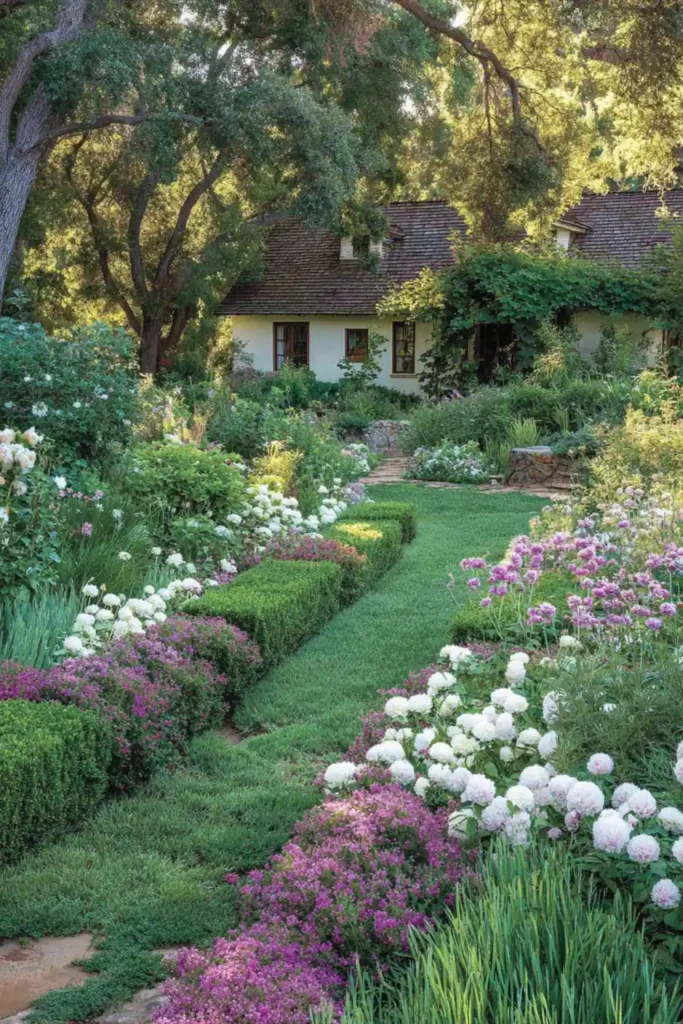
Cover Exterior Walls With Creeping Green Vines
Blank exterior walls sometimes feel a bit stark, especially in backyard spaces. Climbing plants can soften those surfaces and help the house feel more connected to the garden.
Creeping fig is one plant often used for this purpose. As it grows, it clings gently to walls and spreads into a dense layer of greenery. Over time, the wall becomes a living backdrop that blends into the surrounding landscape.
If you’re planning to grow vines along a wall, start with small plants spaced a few feet apart. They will gradually spread and fill the space. Once established, the green coverage can turn a plain wall into one of the most attractive parts of the yard.
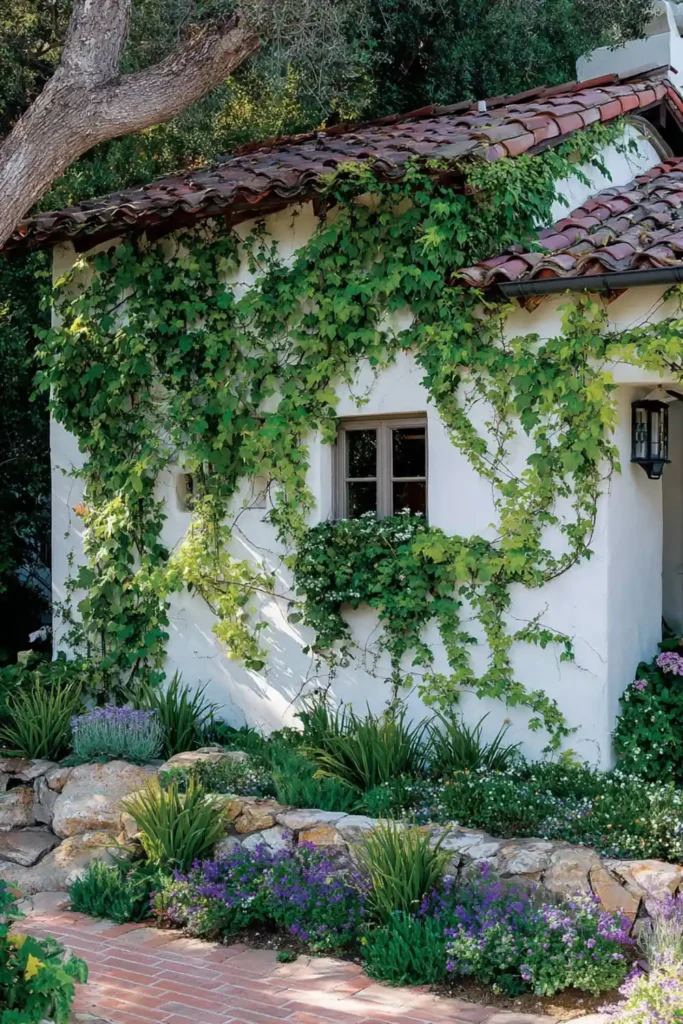
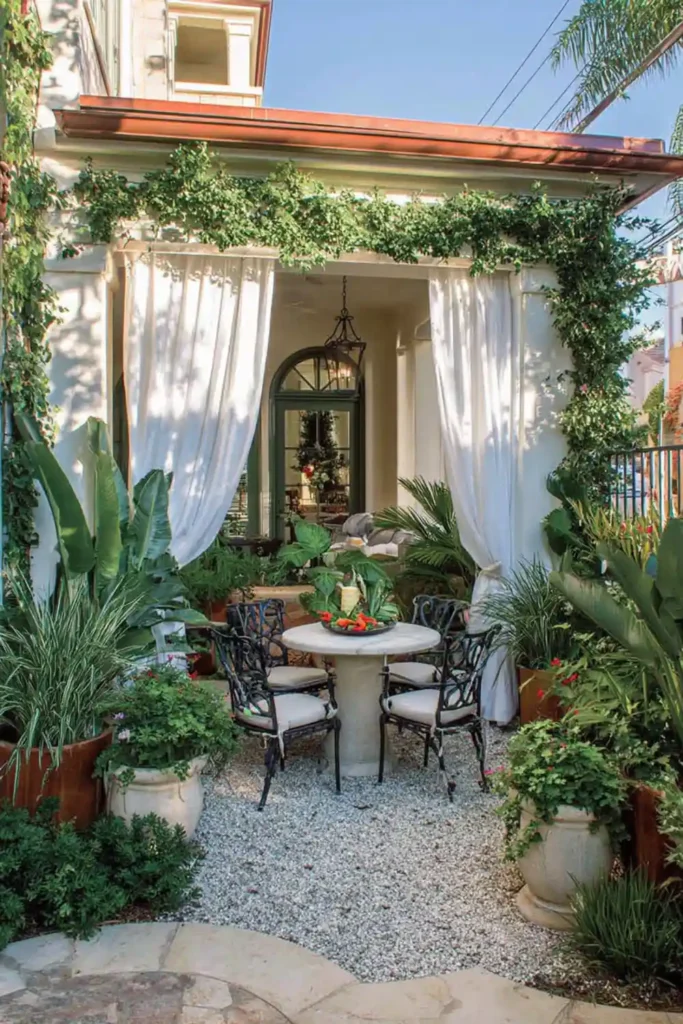
Create a Cozy Courtyard Garden for Outdoor Dining
Courtyards have a special charm because they feel enclosed and intimate. Even a modest outdoor area can become a courtyard-style space when surrounded by walls, fences, or garden structures.
Gravel ground surfaces work well for this type of area because they are easy to maintain and help define the space. A simple dining table placed in the center can turn the courtyard into a comfortable outdoor gathering spot. Outdoor drapes, potted plants, or climbing greenery along the edges soften the space.
Courtyard gardens often feel best when the seating area sits close to surrounding plants or walls. That slight enclosure creates a relaxed atmosphere that works beautifully for quiet dinners or small gatherings.
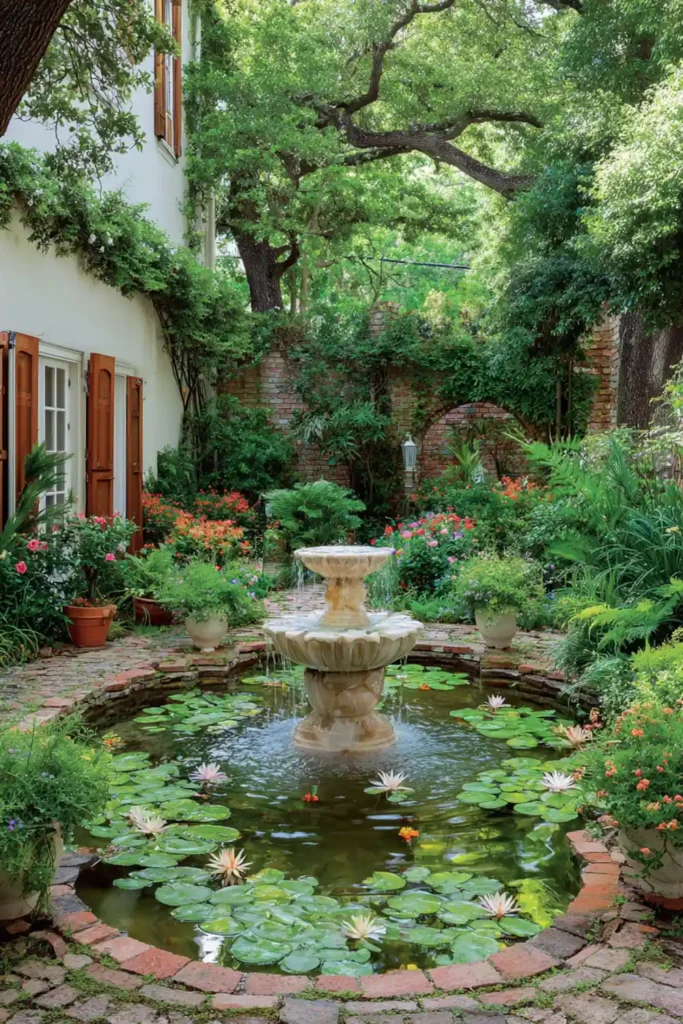
Install a Water Garden or Fountain Feature
Water features bring a different kind of atmosphere to a yard. The gentle sound of moving water can make the entire space feel calmer, even if the feature itself is fairly small.
A simple two-tier fountain placed near a seating area or garden path can become a focal point. Surrounding the fountain with plants helps it blend naturally into the landscape. Water lilies and other aquatic plants work well in small water gardens.
If you’re adding water to the yard, choose a location where it can be enjoyed from nearby seating areas or walkways. Hearing the water while relaxing outside often becomes one of the most pleasant parts of the garden.
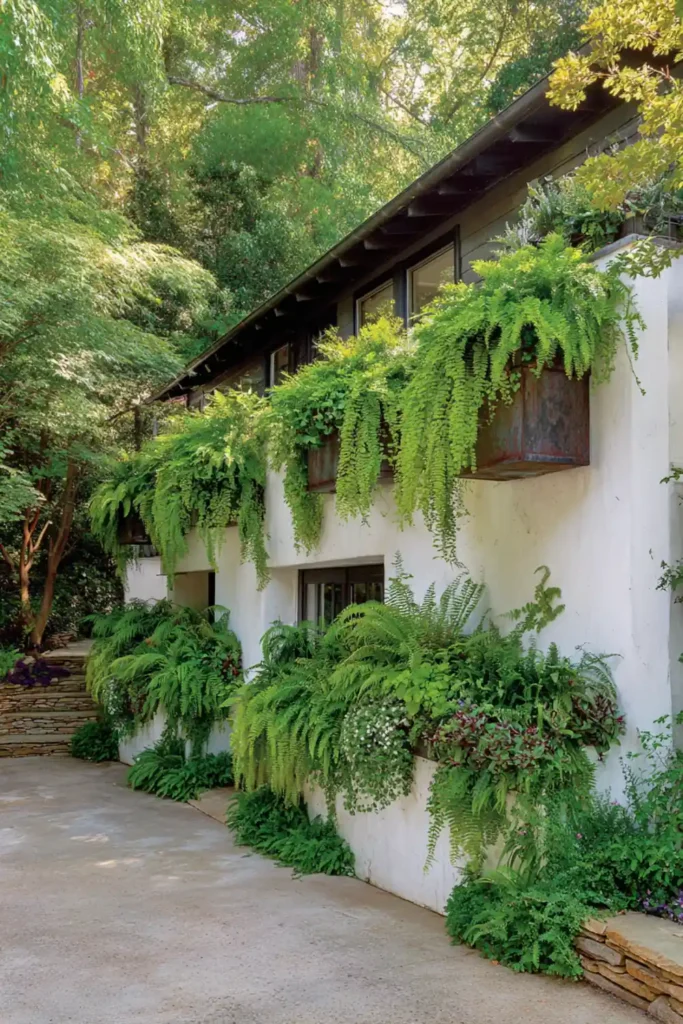
Build a Vertical Hanging Garden on Walls or Fences
Vertical gardens are a creative way to add plants when ground space is limited. By attaching planters to walls, fences, or garden sheds, you can turn unused surfaces into living displays.
Metal containers with drainage holes work well for this idea. They can be mounted in rows or staggered arrangements, depending on the available wall space. Ferns, pothos, and other leafy plants grow nicely in these vertical containers and create a lush green wall.
If you’re trying this idea, vary the plant types slightly so the wall doesn’t feel too uniform. A mix of trailing vines and upright plants gives the hanging garden a more natural appearance.
Creating a Yard That Feels Personal and Welcoming
Yards don’t need to follow strict design rules to feel comfortable. In my experience, the best outdoor spaces grow slowly over time as small improvements are added here and there.
A new pathway, a few flowering plants, or a quiet seating corner can gradually shape the character of the yard. The key is choosing ideas that suit how you actually use the space rather than trying to recreate something you’ve seen elsewhere.
With a bit of patience and experimentation, these yard landscaping ideas can help turn an ordinary yard into a place where people naturally want to spend time.
You can follow The Decor Nest on Pinterest and Facebook for new ideas, room inspiration, and styling tips shared regularly.