
Bathrooms are one of the easiest places to bring in greenery because the air already has the kind of moisture many plants enjoy. With the right choices, moisture-absorbing bathroom plant decor can make the room feel softer, fresher, and more lived-in without needing a full redesign.
I like bathroom plants because they work even in small spaces. A hanging basket, a windowsill pot, or a simple plant on a cabinet can change the feeling of the room without taking over the counter.
These ideas focus on plants that suit bathroom conditions while also adding real decorative value. Some are best for shelves and mirrors, some work beautifully in low light, and others bring in color where the room feels too plain.
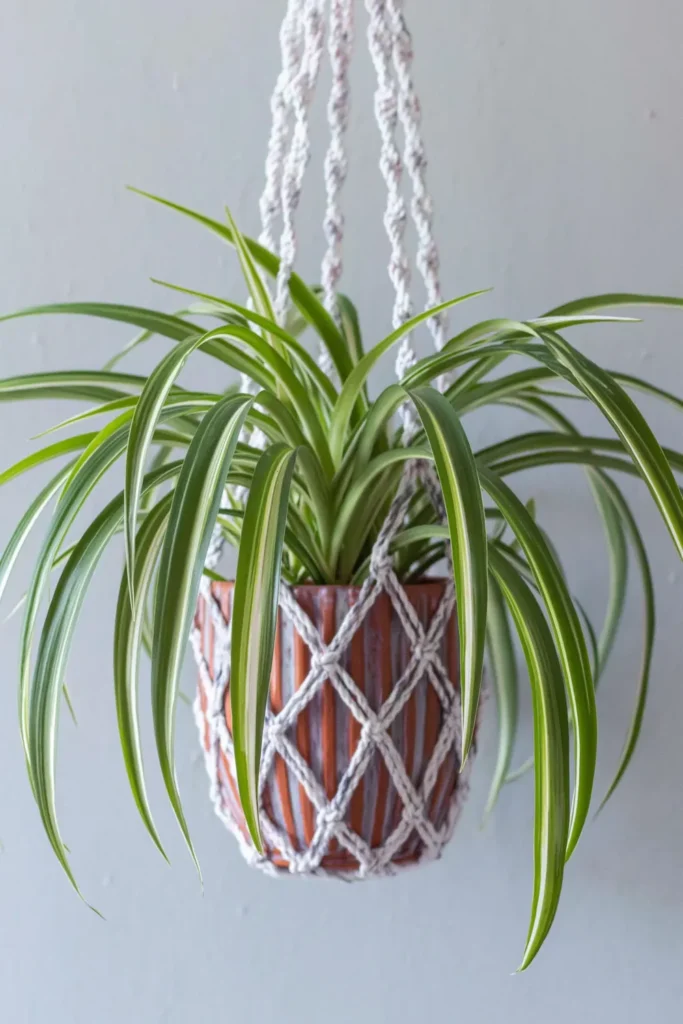
Spider Plants in Hanging Baskets for Moisture-Absorbing Bathroom Plant Decor
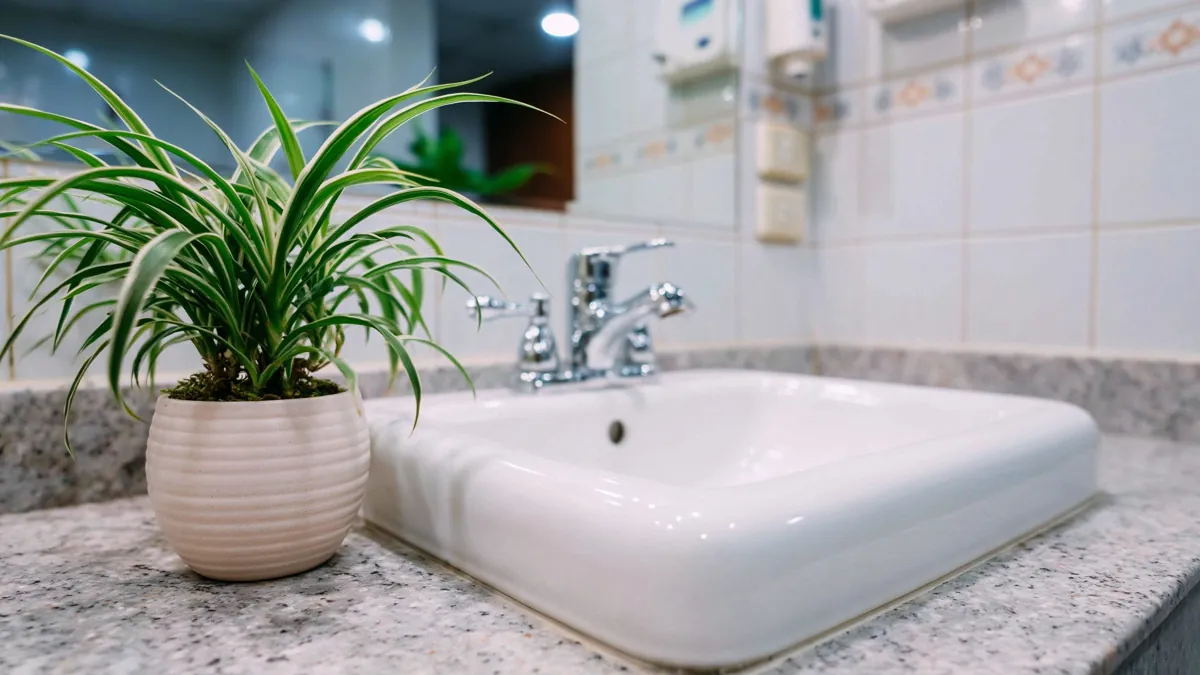
Spider plants are a good choice when you want bathroom greenery that feels light and easygoing. Their arching leaves have white lines mixed with different shades of green, so they add movement without looking heavy. In a bathroom, that soft, grass-like shape works especially well above a tub, near a window, or in an empty corner where a normal floor plant would feel crowded.
A hanging basket is the most natural way to show them off. The leaves spill outward, and the fast-growing shoots can hang down gently around the pot. I would keep the basket simple, especially if the bathroom already has patterned tile or busy surfaces. A plain conventional pot lets the foliage do most of the work.
Spider plants can handle lower light, but they also look fresh in bright indirect light. In my own home, I would use them where the plant can be seen in the mirror because it doubles the greenery without adding another pot.
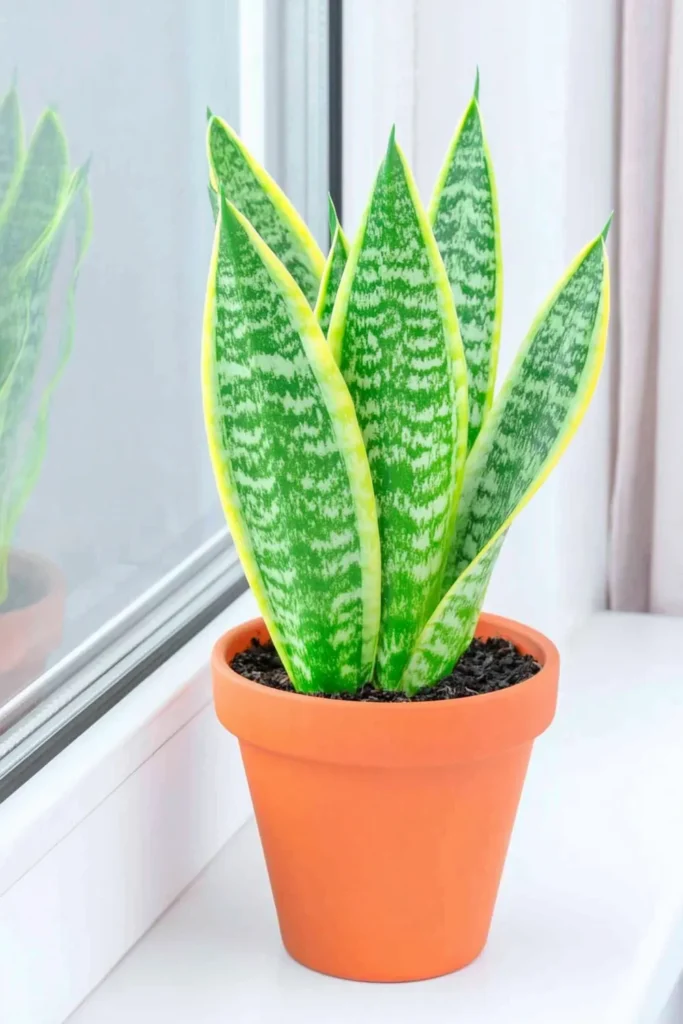
Sansevieria Plants with Sword-Like Leaves for a Clean Bathroom Corner
Sansevieria are useful when you want a bathroom plant that looks tidy and structured. Their deep-green, sword-like leaves grow upright, which makes them fitting for a corner that needs height but not clutter. Humidity-Loving Plants That Thrive. These plants have an upright growth habit instead of trailing, which helps create a tidier and more organized look in the room.
They are especially suitable for placing beside a vanity, near the edge of a bathtub, or on the floor if there is enough space in the bathroom. The vertical leaves contrast nicely with round sinks, soft towels, and smooth tile. I like this kind of plant in bathrooms that already have a lot of small items because it adds greenery without causing the space to feel busier.
For styling, choose a pot that fits the room’s finish. A simple white, stone-look, or matte ceramic pot holds the focus on the dark leaves. Even one snake plant can make an unused bathroom corner feel intentional instead of disregarded.
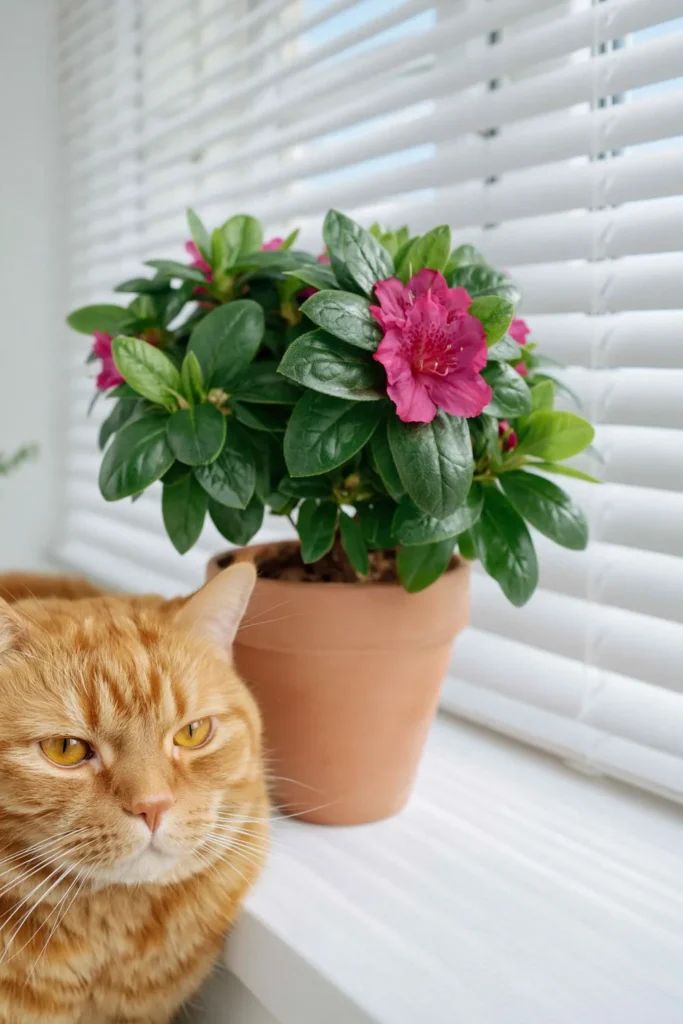
Azaleas on the Windowsill for a Soft Pop of Bathroom Color
Azaleas are a lovely option when the bathroom needs a small touch of color instead of more green foliage. Their flowers can bloom in pink, purple, or white, which makes them feel softer than many typical bathroom plants. A windowsill is the best place to use them because they enjoy morning sun.
The secret is to keep the display simple. Since azaleas already bring color, the pot should not compete with the flowers. A plain container on the windowsill can look fresh and cheerful, especially against white tile, light walls, or a neutral countertop. The acid soil requirement also means they need a little more attention than some easy-care plants, so I would treat them as a decorative feature rather than a plant to tuck away.
If your bathroom gets gentle daylight, place the azalea where the flowers catch that light early in the day. It creates a bright moment without making the whole bathroom feel overly decorated.
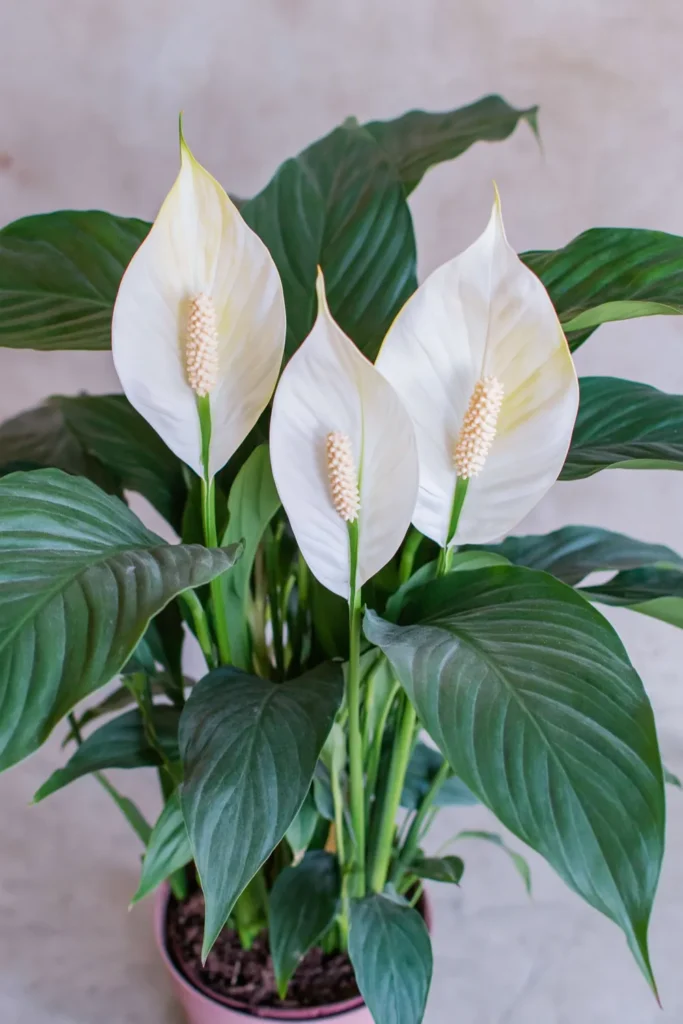
Peace Lilies on Marble Surfaces with Self-Watering Pots
Peace lilies fit beautifully in bathrooms that already have polished or marble surfaces. Their green foliage has a calm look, while the green-white flowers add just enough shape and contrast. They are not loud or colorful, but they still feel decorative because the leaves are full and the flowers are distinctive.
A self-watering pot is a sensible choice here because peace lilies like consistently moist soil. On a marble vanity, shelf, or ledge, the pot should feel neat and stable. I would avoid anything too ornate and choose a clean container that works with the bathroom’s finishes. The smooth surface of marble and the softness of the leaves balance each other nicely.
Peace lilies can handle low light or intense indirect sunlight, which makes them flexible for many bathrooms. A good placement is near the sink but away from splashing water. That way, the plant feels connected to the space without getting in the way of daily routines.
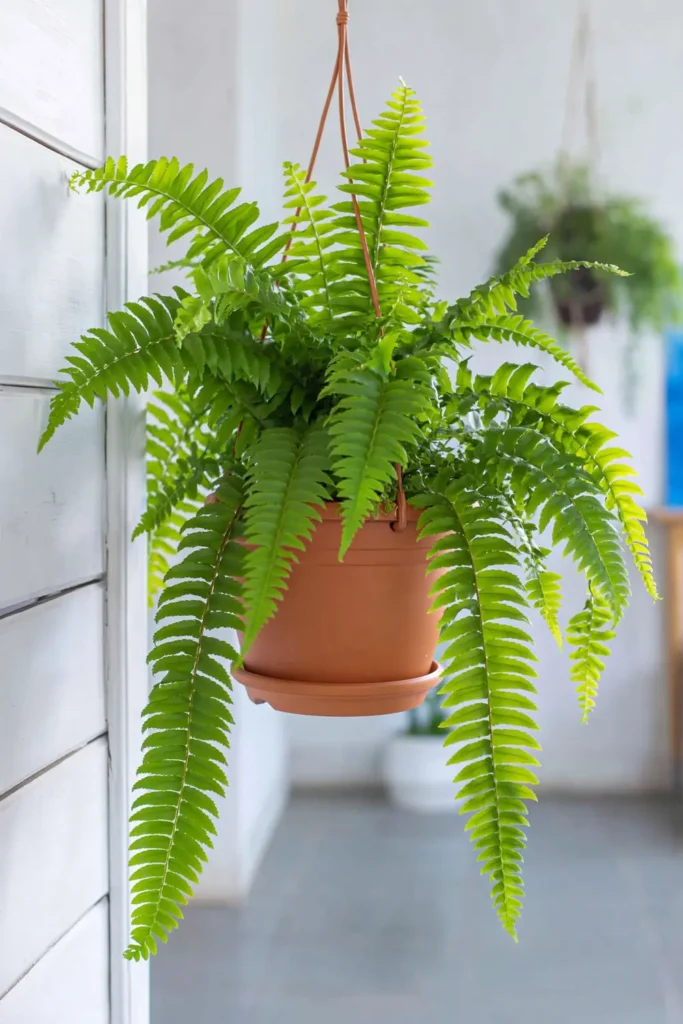
Boston Ferns in Hanging Baskets for Minimalist Bathroom Greenery
Boston ferns are a natural fit for bathrooms because their soft, fluffy fronds make the space feel calmer without needing much decoration around them. In a minimalist bathroom, one fern in a hanging basket can do more than several small accessories. The leaves have that fine, sword-like shape that spreads gently, so they help soften hard tile, glass, and metal fixtures.
A hanging basket works well because it lets the fern’s shape open up. I would place it where the fronds can hang freely, not squeezed between a wall and a cabinet. If the bathroom has simple white walls or plain tile, the fern adds texture without interrupting the clean look.
Bird’s nest ferns can give a slightly neater version of the same idea. Sword ferns have stiffer, more upright fronds compared to the softer, draping leaves of Boston ferns. To highlight their structured look, it’s best to keep surrounding decor minimal so the plant functions as a subtle focal point.
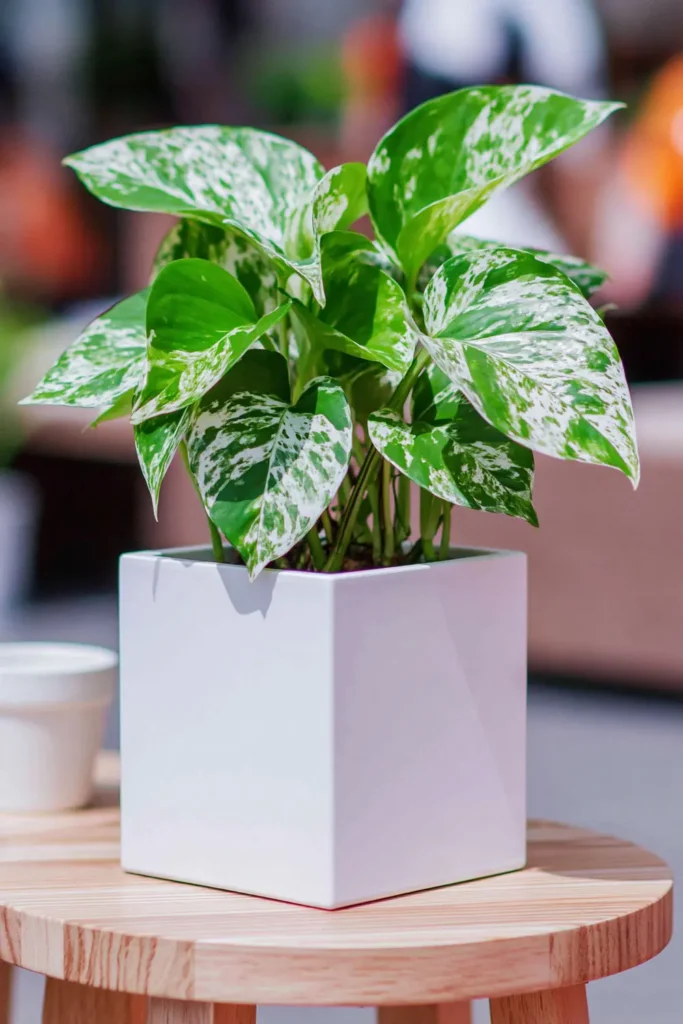
Pothos Vines Around Mirrors and Bathroom Shelves
Pothos is one of the easiest ways to make a bathroom feel relaxed and lived-in. Its long vines and small green leaves work beautifully around a mirror or along open shelves. Instead of sitting stiffly in one spot, the plant can trail across the room in a natural way, which makes even a plain bathroom feel warmer.
I like pothos near a bathroom mirror because the vines can frame the edges without needing extra wall decor. A pot on a shelf above the sink, beside the mirror, or on a high cabinet can let the vines hang down softly. The soil should stay moist, and the plant does best under bright indirect light.
For a practical setup, guide the vines gently rather than letting them tangle around everything. Let a few trails fall freely, then tuck the rest along a shelf edge. It gives the bathroom a relaxed look while still feeling tidy enough for daily use.
Begonias in Morning Sun for Colorful Bathroom Plant Decor
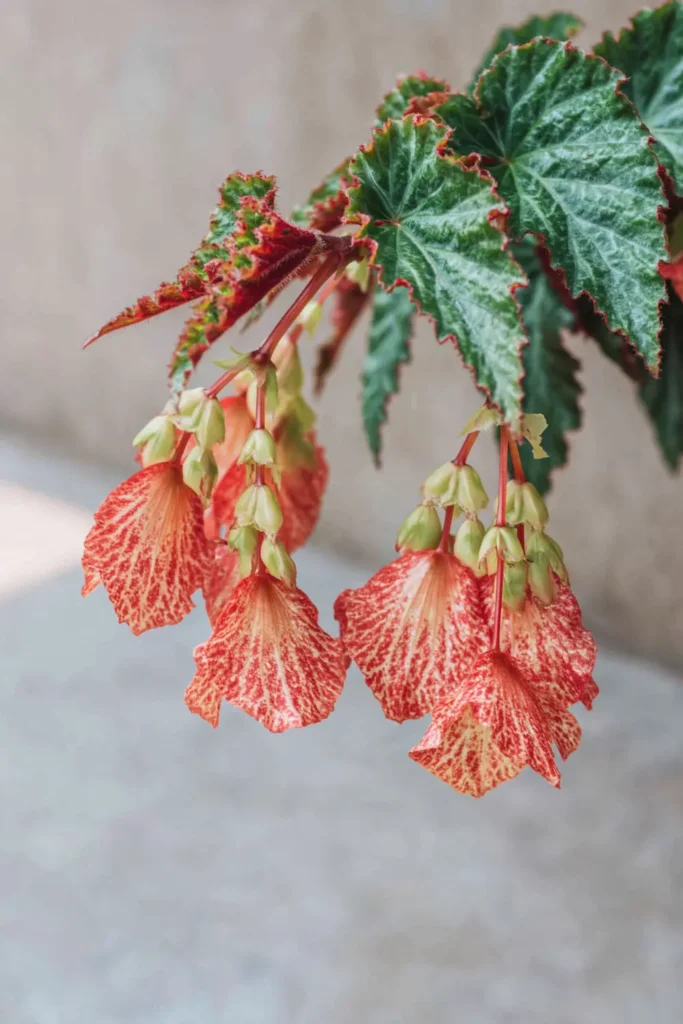
Begonias are a good choice when you want a bathroom plant that feels a little more decorative. Some types, like Begonia Maculata, have interesting foliage, while others bring colorful, fragrant flowers. In a bathroom, that mix of leaves and blooms can make the space feel more personal than using greenery alone.
They work best where they can get direct sunlight in the morning. A bright windowsill, a small plant stand near the window, or a shelf that catches early light would all make sense. Because begonias can already have strong color and pattern, I would keep the container simple. A quiet pot lets the flowers and leaves stand out without making the room feel crowded.
This is the kind of plant I would use when the bathroom feels too plain. Even one begonia can bring a gentle, cheerful detail to a neutral room, especially if the rest of the decor is simple.
Aloe Vera Plants Away from Direct Sunlight
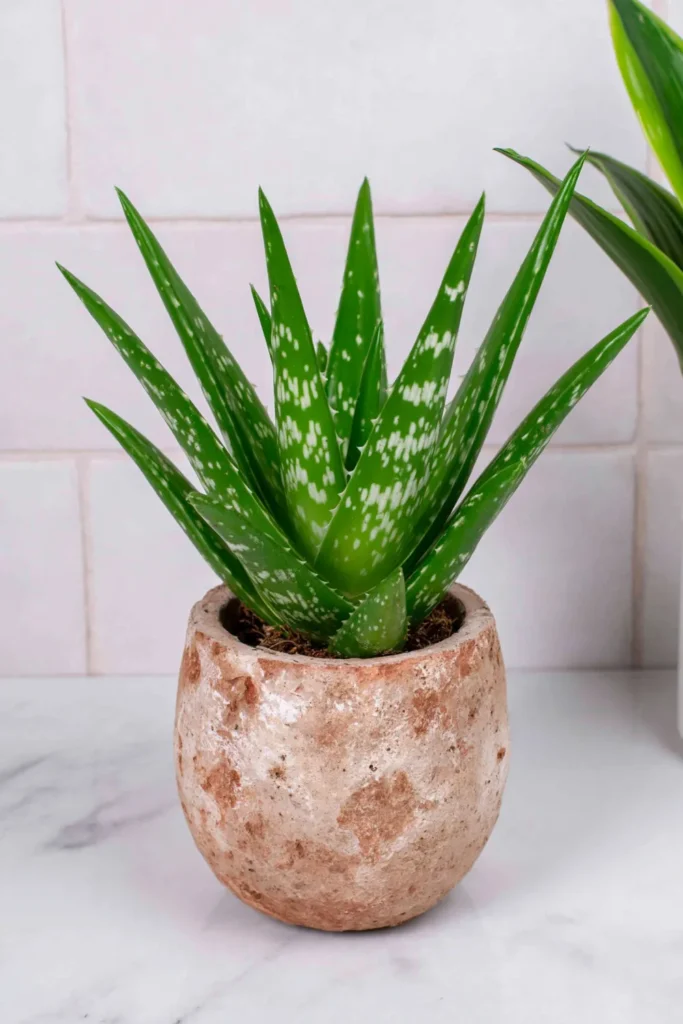
Aloe vera brings a clean, sculptural look to bathroom plant decor. Its thick, fleshy, bright green leaves have a sword-like shape, so it feels simple and modern without needing much styling. It is especially useful for smaller bathrooms because the plant has a presence without spreading too wide.
The main thing is placement. Aloe vera grows well in bright, natural light but should not be placed in direct sunlight, so it’s best to avoid setting it on a harsh window ledge and instead choose a softer spot like a shelf, vanity corner, or small stool. Its unique leaf shape pairs nicely with folded towels, a soap dish, or a simple ceramic container, as the leaves already add plenty of visual interest.
For a neat look, give the plant a pot with a little weight so it feels grounded. A plain stone, clay, or matte white pot can make the aloe feel intentional. It is a small detail, but it helps the bathroom feel fresher without adding clutter.
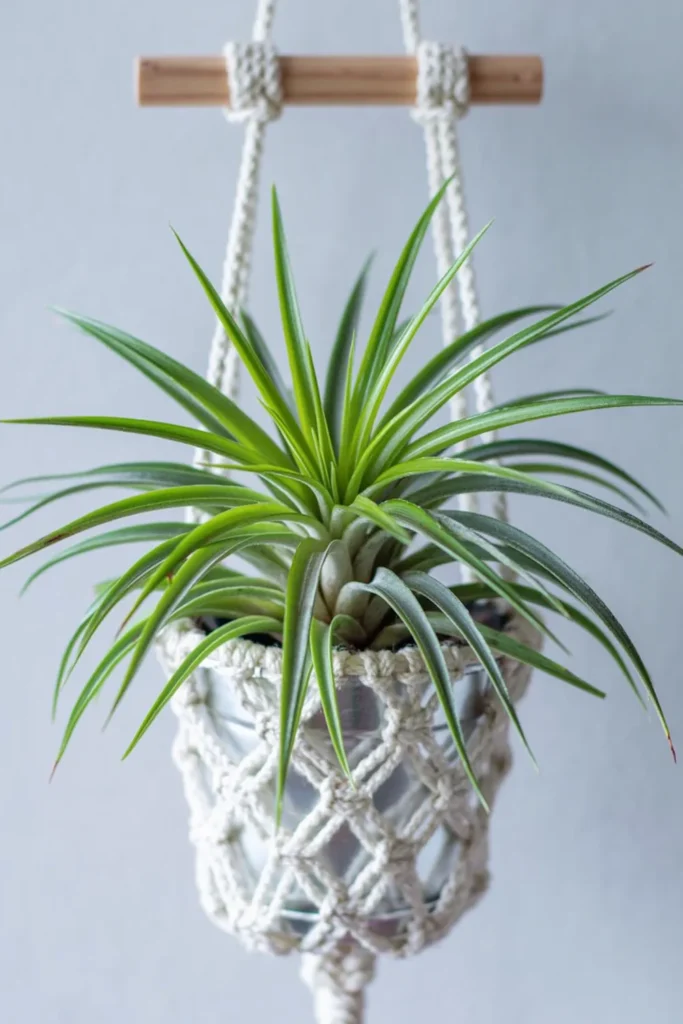
Soil-Free Tillandsia Air Plants for Small Bathroom Displays
Tillandsia air plants are helpful when the bathroom has almost no spare surface space. Because they are soil-free, they can sit in small holders, shallow trays, glass containers, or wall-mounted displays free of the mess of a normal pot. Their grass-like leaves can show green and blue tones, which makes them feel delicate but still noticeable.
Some Tillandsia varieties also produce thin stems, crimson bracts, and violet flowers. That gives them a small decorative moment without taking over the room. I would use them near a sink ledge, on a narrow shelf, or beside a mirror where a larger plant would feel awkward.
For styling, group two or three air plants together instead of scattering them everywhere. A simple tray or holder makes the display feel planned. This works especially well in small bathrooms in which every item needs to earn its place.
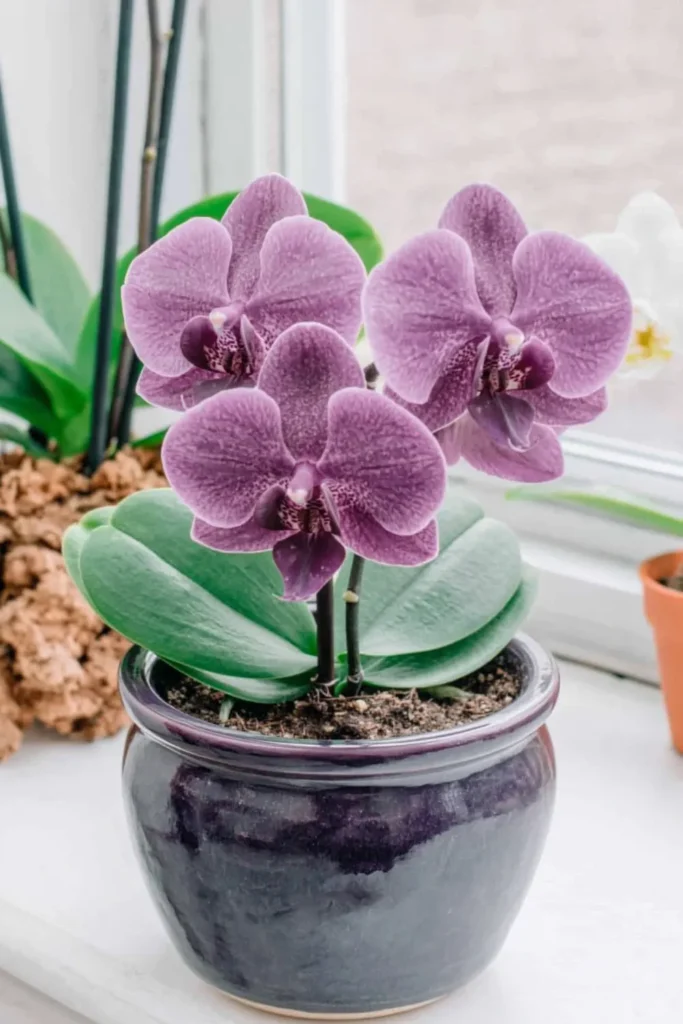
Delicate Orchids on a Bathroom Cabinet
Orchids can make a bathroom cabinet feel more finished without adding a lot of objects. Their flowers are delicate, so they bring a softer look to a space that might otherwise be mostly tile, mirrors, and straight lines. A single orchid on a cabinet can feel calm and polished without making the bathroom look overdone.
The most effective method is to keep the area around the orchid clear. If the cabinet already holds toiletries or folded towels, give the plant enough space so it does not feel squeezed in. A simple pot works better than a busy one because the flowers already have a graceful shape.
I would place an orchid where it can be seen as soon as you walk in. It works nicely on a bathroom cabinet, especially if the cabinet top is plain. This is a good plant choice when you want one decorative feature rather than a full collection of greenery.
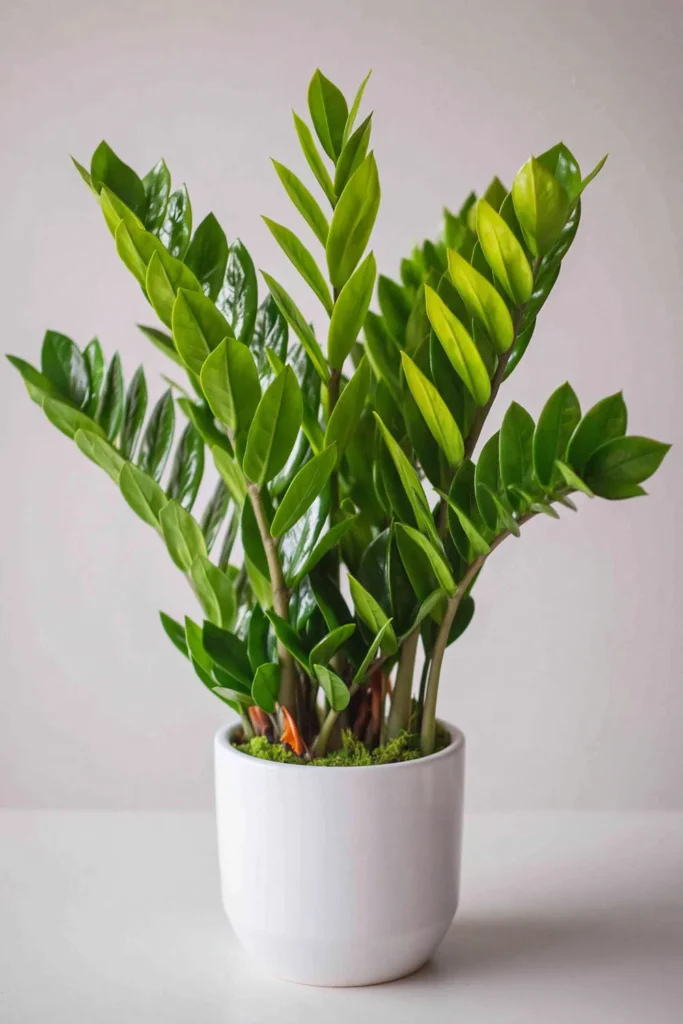
ZZ Plants for Low-Light Bathrooms and Dark Toilets
ZZ plants are useful for bathrooms that do not get much natural light. Their small, compact green leaves have a neat shape, which makes them easy to style in low-light bathrooms or even a dark toilet area. They bring in greenery without needing the bright, airy setting that some other plants prefer.
Because ZZ plants stay visually tidy, they work well on bookshelves, desks, or narrow bathroom storage surfaces if the space has them. In a bathroom, I would place one on a small shelf, a toilet-top tray, or a side ledge where it adds life without blocking anything important.
A darker bathroom may occasionally feel flat, so the glossy green leaves help break up the heaviness. Use a simple pot that contrasts gently with the plant. A light-colored container can make the foliage stand out, while a darker one may create a more quiet, moody look.
Cast Iron Plants with Deep-Green Foliage for Bathroom Corners
Cast iron plants are good for bathrooms that need something sturdy-looking and unfussy. Their thick, deep-green foliage gives a corner more weight, especially in a room with a lot of pale tile or plain walls. They do not feel delicate, which makes them a nice choice when you want greenery that looks grounded.
This plant works best as a floor or low-stand plant. I would use it in an empty bathroom corner, beside a vanity, or near a freestanding tub if there is enough room. The larger leaves add depth, while the dark green color makes the space feel calmer.
To keep the look clean, avoid surrounding it with too many small accessories. Let the plant fill the corner on its own. A simple pot with a natural texture can help it feel warm instead of formal. It is a practical way to make an unused corner feel finished.
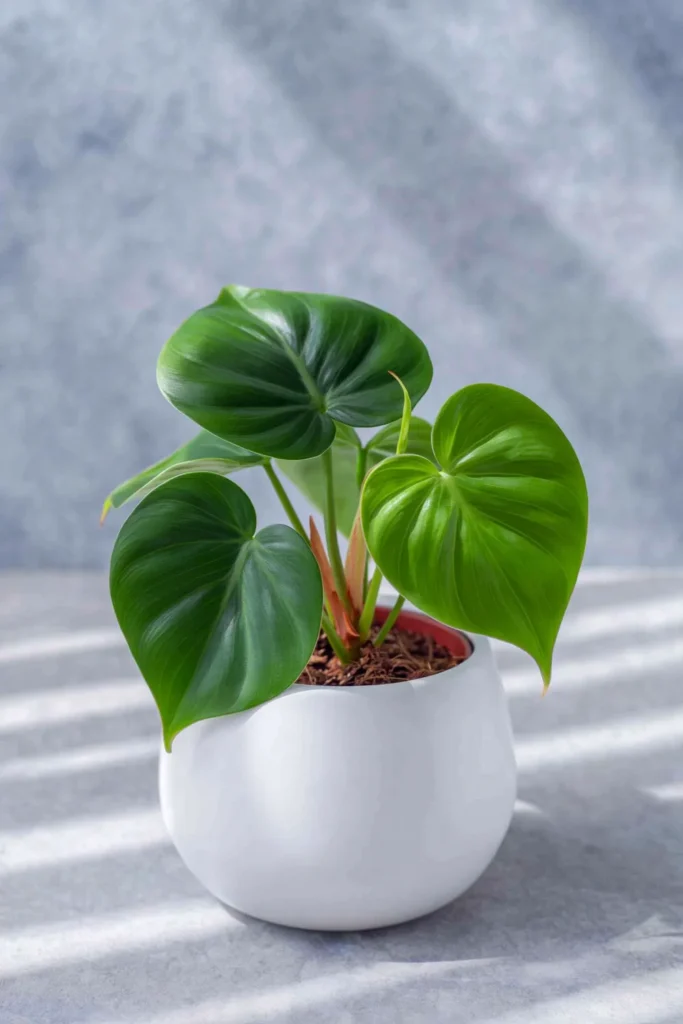
Philodendron Vines for Natural Moisture-Absorbing Bathroom Plant Decor
Philodendrons are a nice choice when you want the bathroom to feel more natural without making the room look crowded. Their delicate leaves and vine-like growth can soften shelves, walls, or vanity areas in a very easy way. Non-variegated types are especially useful in low-light bathrooms, while variegated types are better where there is more natural light.
The vines work best when they have somewhere to trail. A high shelf, wall-mounted planter, or cabinet top lets the leaves fall naturally instead of spreading over the counter. I would avoid placing them where they interfere with towels, mirrors, or daily bathroom items.
For a simple styling idea, let one philodendron trail from a shelf near the sink or bath area. Keep the pot plain and let the leaves provide the shape. It is a small detail, but it can make moisture-absorbing bathroom plant decor feel relaxed and easy to live with.
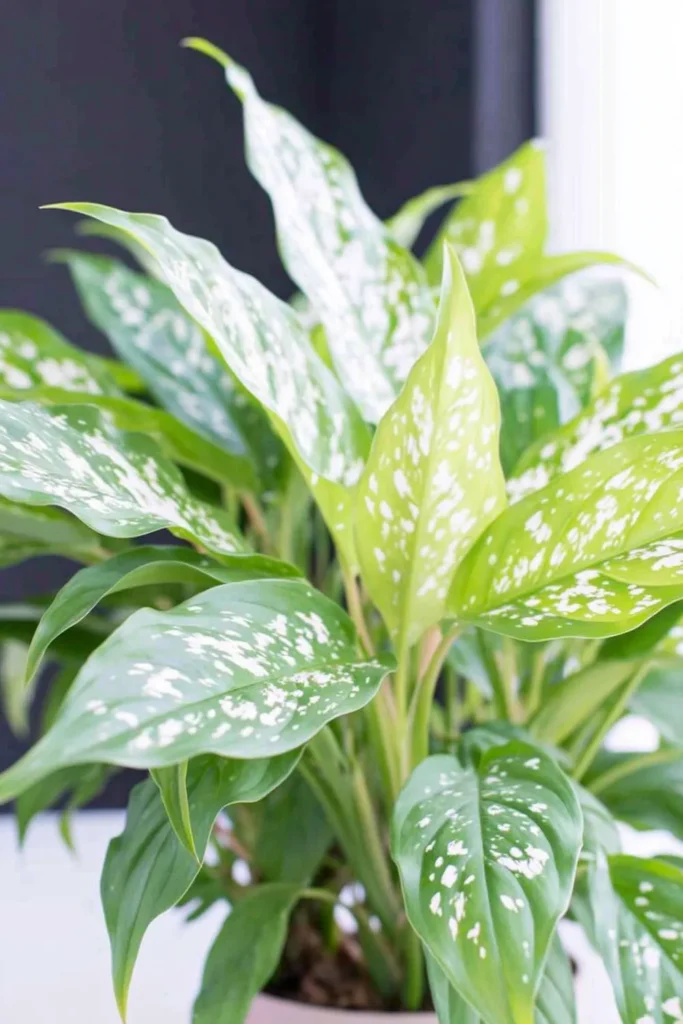
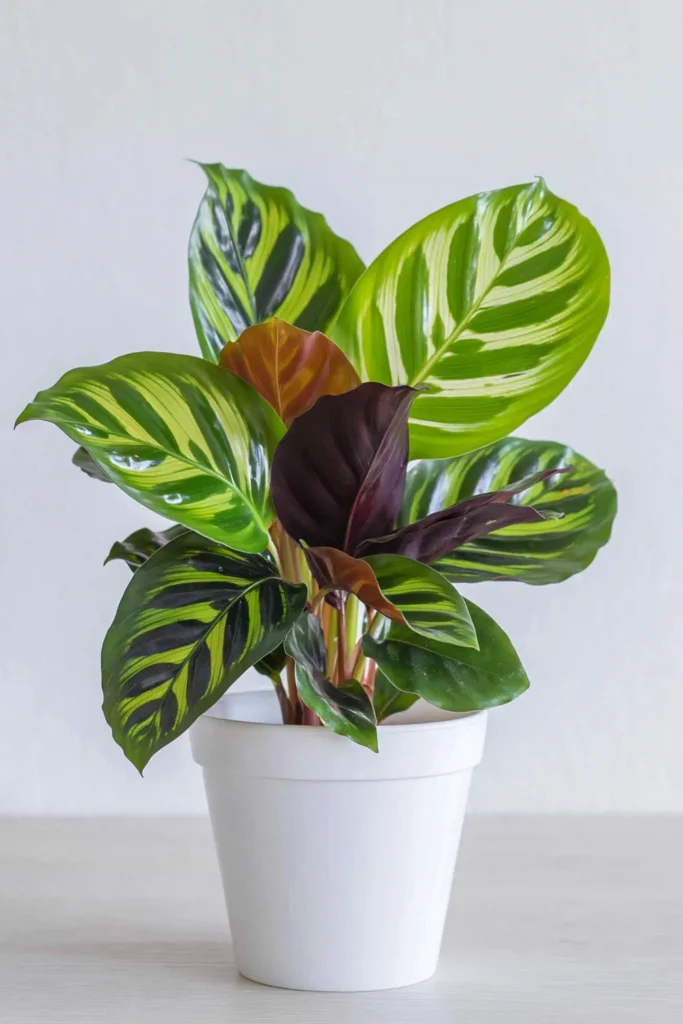
Calathea Plants with Variegated Leaves in Bright Indirect Light
Calathea plants are useful when you want foliage that feels decorative on its own. Varieties like Calathea Fasciata have green leaves with white variegations, so they add pattern without needing flowers or extra accessories. In a bathroom, that can be especially helpful if the room has very simple finishes.
They look optimal in bright indirect light. I would place a calathea near a window with softened light, on a vanity corner, or on a small plant stand where the leaf pattern can be noticed. Since the leaves already have visual detail, the rest of the styling should stay calm.
A simple container works well here. Choose a pot that does not compete with the variegation, especially if your bathroom already has patterned tile. Calathea can make a plain bathroom feel more thoughtful because the leaves bring in texture, color contrast, and a little movement.
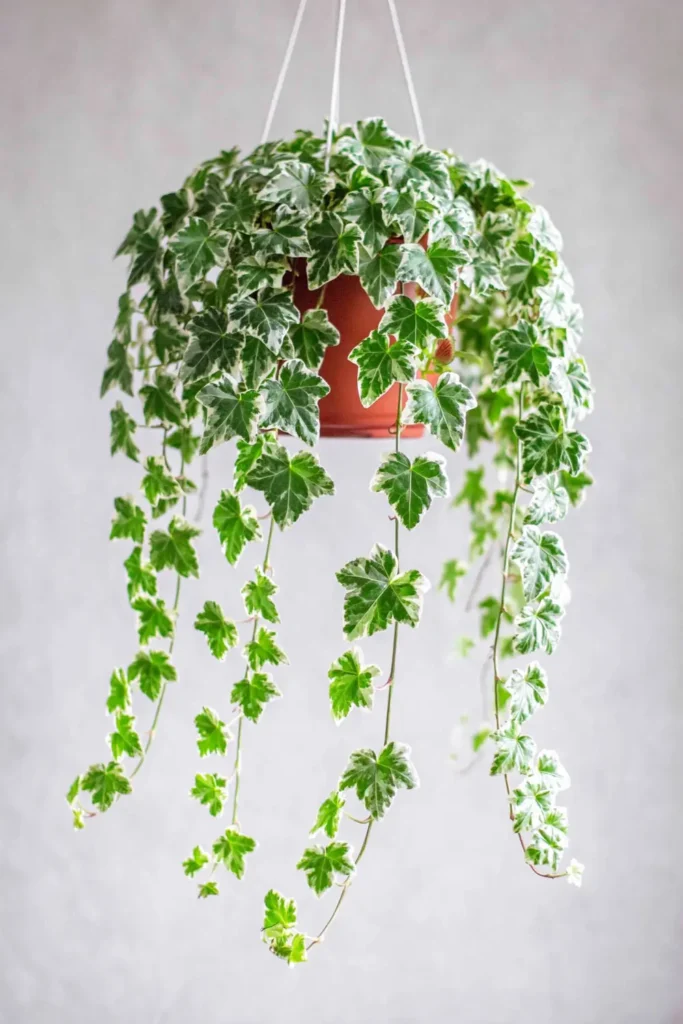
English Ivy for Climbing Bathroom Greenery
English ivy brings a climbing look that can make bathroom greenery feel more connected to the room. Its waxy, dark green, pear-shaped leaves work well when you want something that can trail or climb instead of just sitting in a pot. It can handle full sun or full shade, which makes it flexible for different bathroom layouts.
I would use English ivy where the growth can be guided neatly. A high shelf, hanging planter, or wall support can help the vines move in a controlled way. It can look especially nice near a mirror, window frame, or empty wall section where the leaves add shape without needing artwork.
The trick is not to let it look messy. Trim the vines when needed and guide them along one area instead of letting them spread everywhere. That keeps the bathroom feeling fresh and intentional, not overgrown.
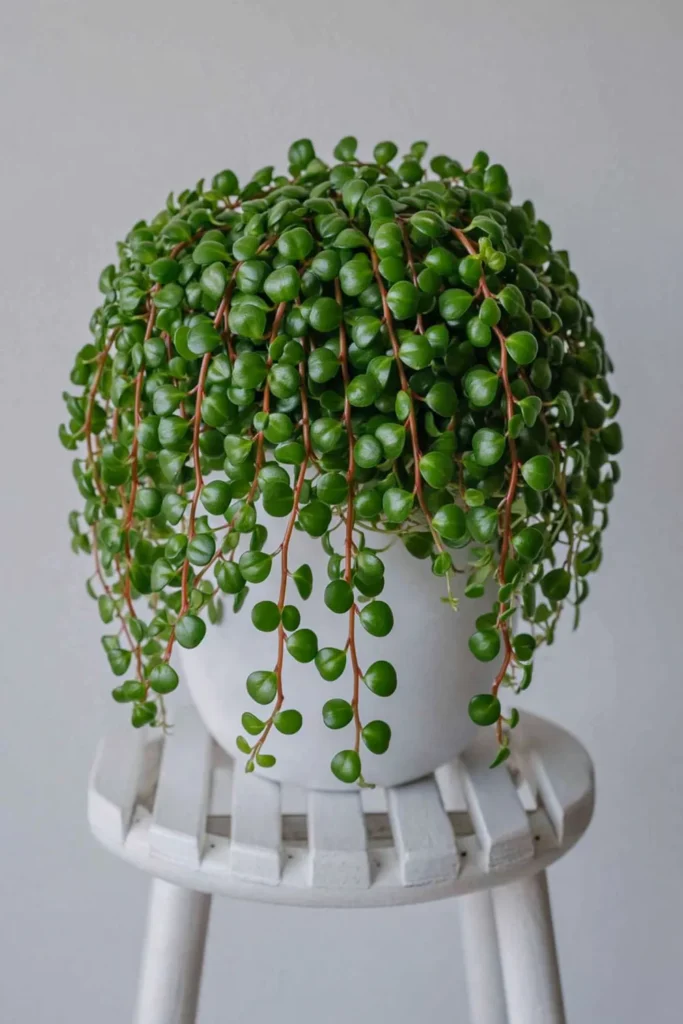
Baby’s Tear Trailing Vines for Dark Bathroom Spaces
Baby’s tear is a good option for a dark bathroom because it can work in poor lighting and still add a soft, green detail. Its small, bright leaves and trailing vines create a delicate look, which is useful in bathrooms where larger plants would feel too heavy.
This plant works well in a small pot, hanging container, or shelf display. The vines can spill gently over the edge, causing the space to feel less plain without taking up much room. If the bathroom is dark, I would keep the pot light or neutral so the tiny leaves are easier to see.
Baby’s tears can also bring a more decorated look because the vines naturally soften hard bathroom surfaces. Use it where the trailing growth can be noticed, such as near a sink shelf, above a toilet ledge, or beside a mirror. It is a quiet way to make a darker bathroom feel more cared for.
A Fresher Bathroom with Simple Green Details
Bathroom plants do not need to be complicated to make a real difference. A spider plant in a hanging basket, a pothos vine near the mirror, or a peace lily upon a marble surface can make the room feel softer and more comfortable without changing the whole space.
The best moisture-absorbing bathroom plant decor is the kind that works with your actual bathroom. Look at your light, your shelf space, and how much care you realistically want to give. Then choose one or two plants that fit those conditions instead of trying to fill every corner.
Small green details can make daily routines feel a little nicer. Even one healthy plant in the right spot can make the bathroom feel fresher, calmer, and more personal.