
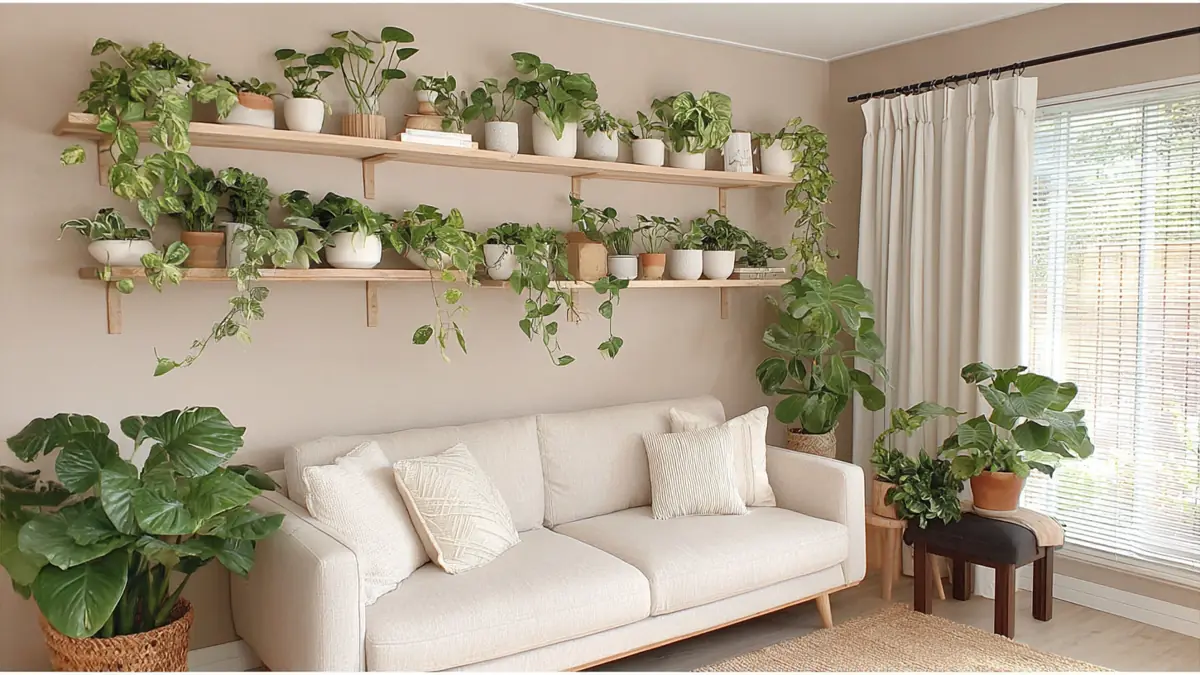
Bringing plants into a room changes more than the look of it. A good plant setup can make a space feel calmer, softer, and more lived-in without needing a full redesign. Even one well-placed plant can shift the mood of a room and make it feel more connected to the outdoors.
If you are just starting out with plants, a pothos is a great beginner-friendly choice. It is easy to care for, tolerates different light conditions, and grows quickly, making it simple for anyone to add greenery and style with confidence.
That is what I like most about plant aesthetic interior decorating. It is not only about adding greenery for color. It is about using shape, height, texture, and natural materials to make everyday spaces feel warmer and more settled. Some plants create a strong focal point, while others quietly fill empty corners or soften shelves.
In this article, I am sharing a mix of ideas that work in real homes, from bold fiddle leaf figs to trailing pothos and tropical monstera arrangements. Each one brings a different feel, so you can find something that suits your space and your routine.
I’ll also mention the general care level for each plant, so you know which options are low-maintenance and which might need a little more attention. This way, you can choose plants that match both your style and your lifestyle.
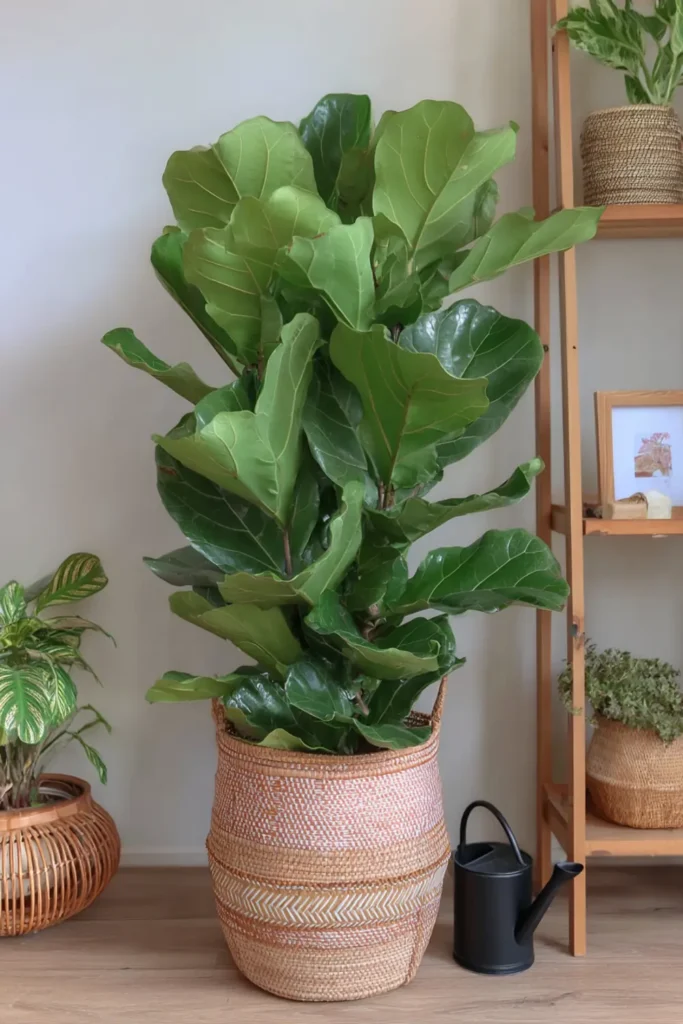
Fiddle Leaf Fig as a Statement Piece in the Room
A fiddle leaf fig works best when you treat it like part of the room’s structure rather than an extra accessory. Its large, glossy leaves naturally draw the eye, so it makes sense to place it where it can anchor the space. In a living room, that might be near a sofa corner, beside a console, or in an empty area that feels visually flat.
In a bedroom, it can add height next to a dresser or near a window where the room needs a stronger shape. Fiddle leaf figs prefer bright, indirect light and do best when placed near a window that gets plenty of sunlight but not direct, harsh rays. Water when the upper inch of soil feels dry, and be careful not to overwater, as their roots do not like to stay soggy. This makes it possible to keep the plant healthy while enjoying its stylish impact in your space.
What makes this plant stand out in plant aesthetic interior decorating is the leaf size and upright form. It brings a sculptural look that pairs well with simple furniture because it already has enough visual presence on its own. A plain woven basket or clean ceramic pot usually works better than anything too decorative. That holds the focus on the plant and lets the glossy leaves bring the drama.
One useful tip is to give it a little breathing room. Do not crowd it with too many small objects or side decor. Let it hold that section of the room by itself. When you keep the surrounding styling simple, the whole setup appears more intentional and much easier on the eyes.
Snake Plant Styling for a Clean and Low-Maintenance Corner
A snake plant is one of the easiest ways to fill an awkward corner without making the room feel busy. Its upright leaves are neat and structured, so it suits homes where you want a clean look without a lot of effort. I especially like it in entryways, bedrooms, or home office corners where something green is needed, but floor space is limited.
If you have pets, be aware that snake plant leaves are considered toxic to cats and dogs if chewed or eaten. For a pet-safe alternative, you might try a spider plant or a parlor palm, both of which can create a similar fresh look without the safety concerns.
The shape of the plant does most of the work here. Because the leaves grow upward instead of outward, it gives you height without spreading too far into the room. That makes it useful for tighter layouts or rooms that already have enough furniture. In a simple matte pot, the plant looks crisp and modern. In a woven planter, it feels softer and a little more relaxed. Either option can work depending on the rest of the room.
For a realistic setup, try placing it near a chair, beside a low cabinet, or at the end of a hallway where the space feels unfinished. It does not need much styling around it. In fact, too many nearby objects can take away from its tidy shape. This is one of the most practical ideas in plant aesthetic interior decorating because it appears refined while asking very little from you.
Tropical Monstera Focal Point for a Relaxed Interior
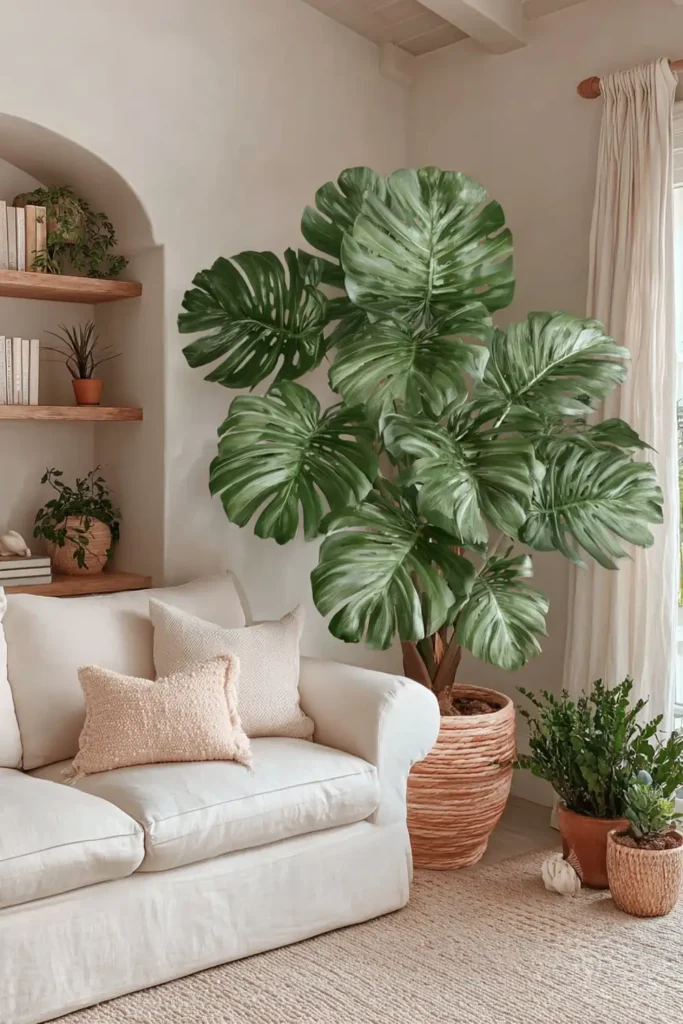
A monstera brings a looser, more relaxed energy into a room. The split leaves have a bold shape, but the overall feel is softer and more relaxed than something upright, like a snake plant. That makes it a good fit for living rooms, reading corners, or bedrooms where you want the space to feel easy and inviting rather than excessively formal.
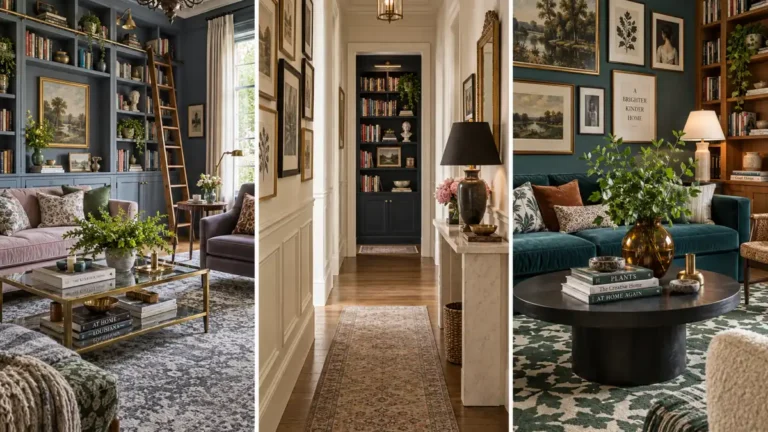
In plant aesthetic interior decorating, monstera works well as a focal point because the leaves instantly add movement and texture. The plant has a tropical look, but it does not have to push the room into a themed style. It can still sit comfortably in a simple interior with neutral furniture, soft fabrics, and natural wood tones. The key is to let the leaf shape stand out against calmer surroundings. A plain pot in white, sand, or muted clay usually helps keep that balance.
A good way to use monstera is to place it where the leaves can spread naturally without being pressed into furniture. Near a window, beside a lounge chair, or in the corner of a sitting area often works well. If the room already has linen curtains or a textured rug, the plant ties in nicely and helps the whole space feel more layered without adding clutter.
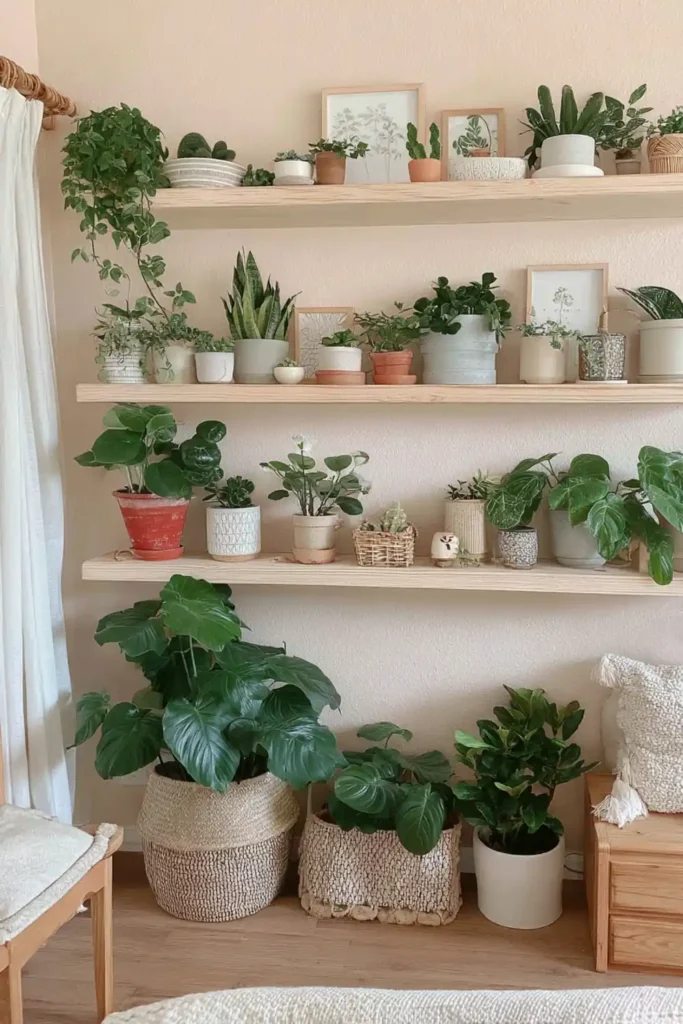
Trailing Pothos on Shelves and in Hanging Baskets
Pothos is one of the most flexible plants for decorating because it adds softness where a room might otherwise feel too straight or boxy. The trailing vines break up hard lines from shelves, cabinets, and wall edges, which is why it works so well in smaller styling spots. Instead of taking up floor space, it brings greenery higher into the room and makes those overlooked areas feel finished.
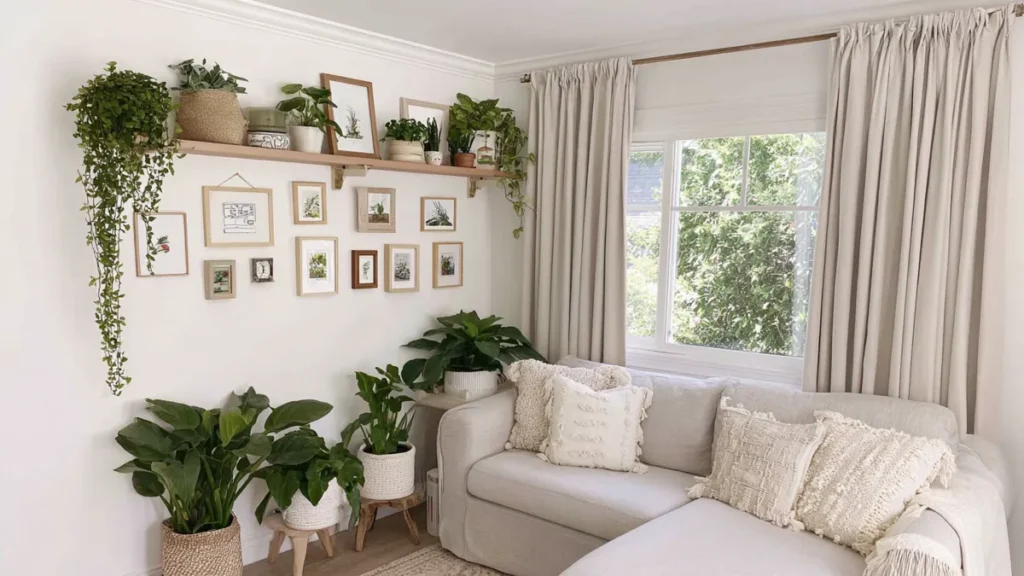
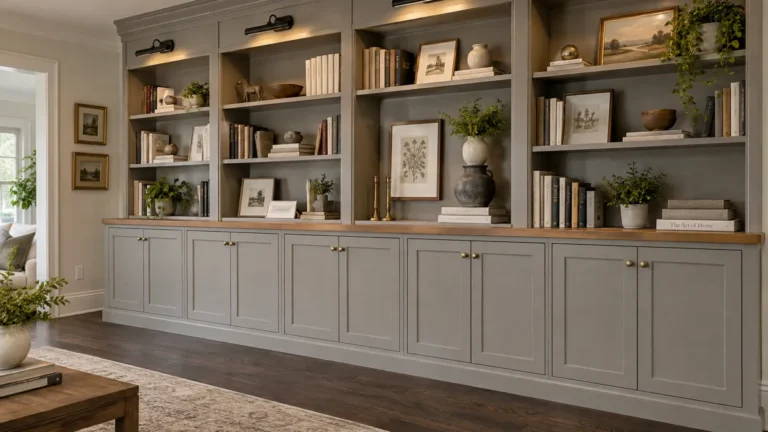
This idea works especially well on open shelves, bookcases, and in hanging baskets near a bright window. The lush trailing texture creates movement, and that movement makes a space feel more relaxed. In plant aesthetic interior decorating, pothos is useful because it can connect different parts of a room visually. A vine draping from a shelf above a reading chair, for example, can soften the whole corner without adding extra furniture or bulky decor.
One of the easiest ways to style it is to let the vines hang naturally rather than trying to control every stem. A simple shelf with a few books, a ceramic vase, and a pothos pot is often enough. In a hanging basket, it can fill an empty upper corner and make the room feel more layered from floor to ceiling. It is a simple change, but it gives the room a more settled and welcoming look.
Modern Rubber Plant Styling with Dark Glossy Leaves
A rubber plant has a heavier look than some other houseplants, and that is exactly why it works so well in modern interiors. The dark glossy leaves add depth to a room, especially when the surrounding palette is light or neutral. It does not feel delicate or fussy. Instead, it gives the space a grounded, steady presence that suits simple layouts and clean-lined furniture.
In plant aesthetic interior decorating, this plant is useful when a room feels a little flat and needs contrast. A rubber plant can sit well beside a light sofa, near a pale wall, or next to oak or walnut furniture, where the deep green leaves stand out more clearly. Its shape is tidy enough for modern spaces, but the glossy surface keeps it from feeling too plain. A black, white, or concrete-style planter usually fits the look nicely without competing with the leaves.
One practical way to style it is to place it near a window in a living room or office where its darker tone can balance lighter fabrics and finishes. Keep the nearby decor simple, maybe one side table or a floor lamp, so the plant has enough space to be noticed. It brings in greenery, but in a more orderly and polished way.
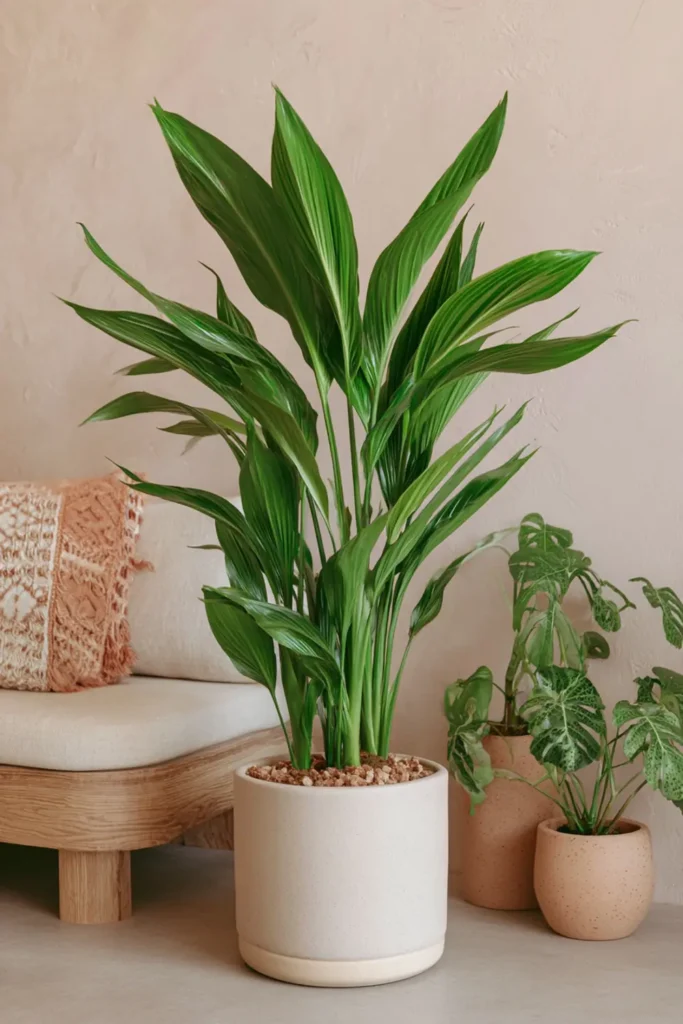
Natural Materials and Greenery for a Nature-Inspired Retreat
Sometimes the best plant styling idea is not about one specific plant at all, but about how greenery works with the rest of the room. When you combine indoor plants with natural materials like linen, raffia, woven textures, and soft, earthy finishes, the room starts to feel calmer and more connected. This kind of setup works especially well in bedrooms, sunrooms, or calm corners where you want a more restful mood.
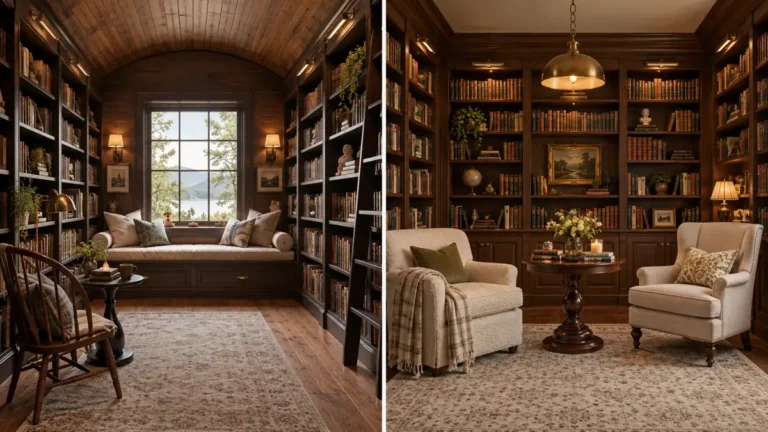
What makes this approach effective in plant aesthetic interior decorating is the mix of textures. Lightweight linen curtains soften the light, raffia baskets add a slightly rustic touch, and palm leaves or simple indoor greenery bring shape and freshness. None of these parts needs to be dramatic on its own. The atmosphere comes from how they work together. A room with a neutral chair, a woven side table, and a few leafy plants commonly feels much warmer than one filled with sharper, shinier finishes.
A practical way to use this idea is to build around a soft base. Start with natural fabrics and a few earthy containers, then add greenery in layers rather than crowding the room with plants. A palm leaf in one corner, a small planter on a table, and a woven basket nearby can be enough to create that easy, nature-inspired feeling without causing the space to feel overdone.
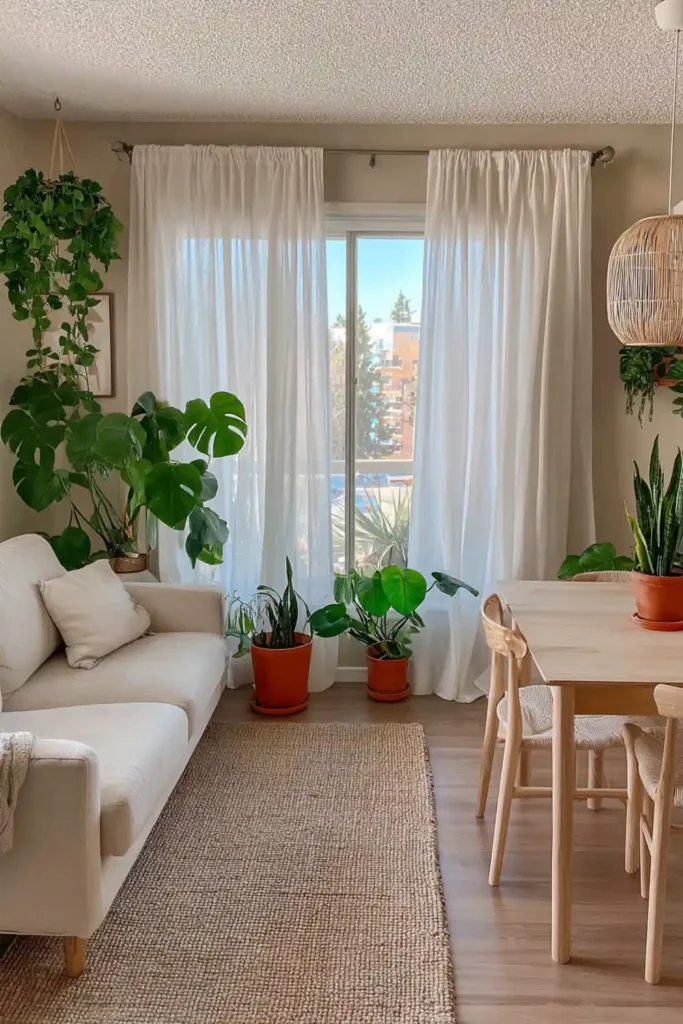
Bringing the Look Together at Home
The nice thing about decorating with plants is that you do not need to do everything at once. One strong plant in the right spot can already change how a room feels. From there, you can add more texture, more height, or more softness depending on what your space needs. A fiddle leaf fig might help one room feel fuller, while pothos or a snake plant might make another corner feel more complete.
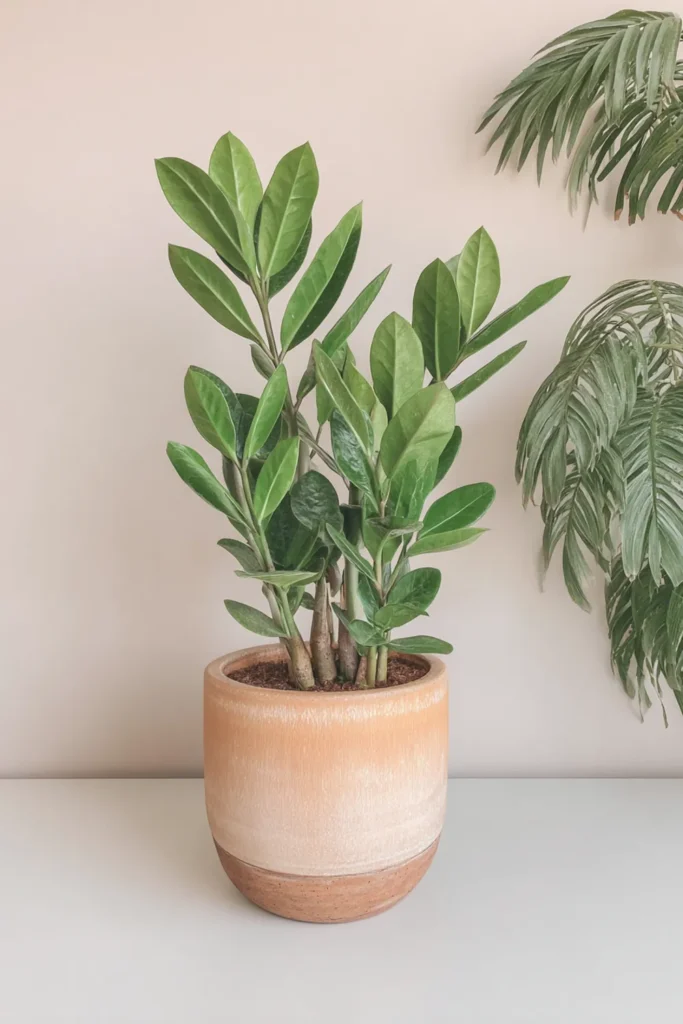
Plant aesthetic interior decorating works best when it feels natural in your home and realistic for your routine. Choose plants that suit your light, your layout, and how much care you want to give them. If you have limited time or tricky conditions, consider very easy-care plants like ZZ plants, mother-in-law’s tongue, or even premium faux plants for a similar fresh look with almost no upkeep.
Options such as dried eucalyptus in a vase or realistic artificial greenery baskets can also give your space the same impression of peace and style, free from the pressure of plant care. When the greenery fits the space instead of fighting it, the whole room feels easier to live in and much more enjoyable to come back to.