
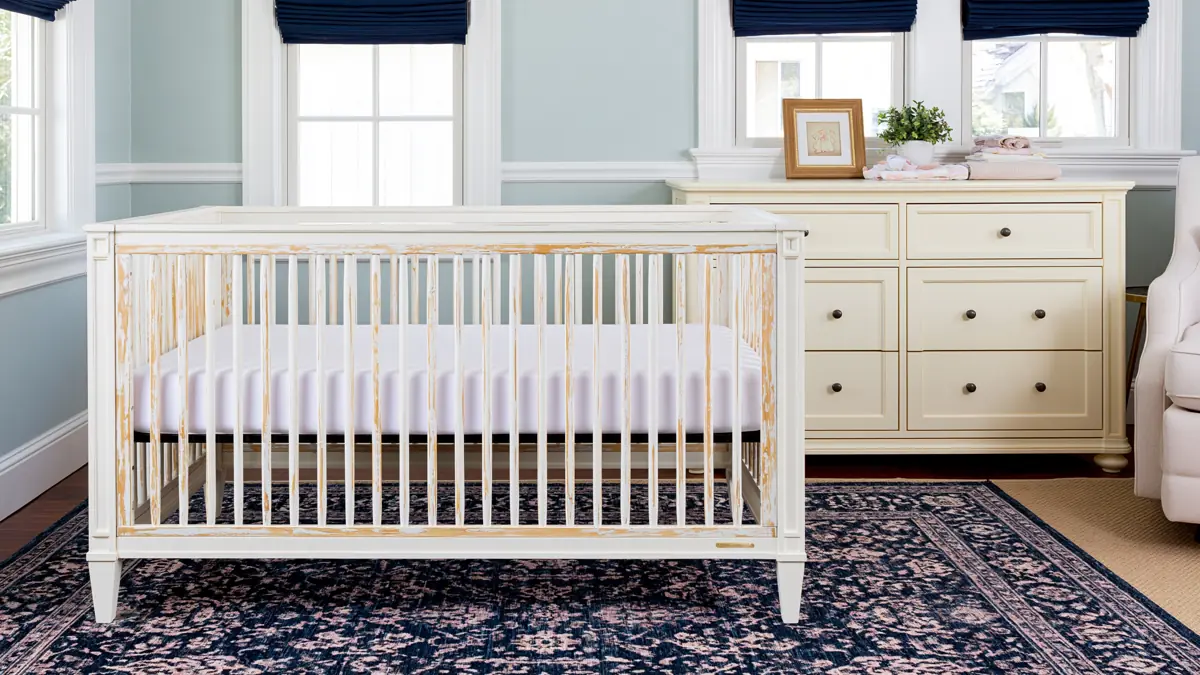
Designing a nursery is one of those projects where it is easy to get caught up in the baby stage. I understand that feeling completely. The tiny clothes, soft blankets, and little details make everything feel special, but the room still needs to work after the crib years are over.
That is why transitional nursery design ideas are so helpful. They let you create a calm, sweet space now while choosing furniture and colors that will still feel useful when your child gets older.
For this nursery, the focus is on practical pieces that can stay in the room for years: a crib that changes with your child, a dresser with real storage, useful side tables, comfortable seating, and a blue color palette that does not feel too temporary.
Convertible Cribs for a Nursery That Expands Over Time
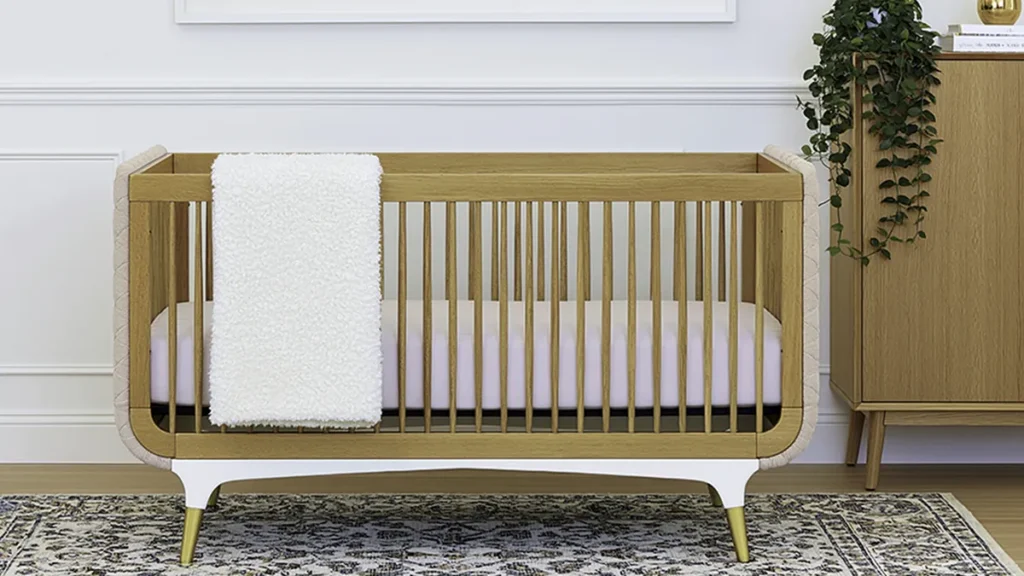
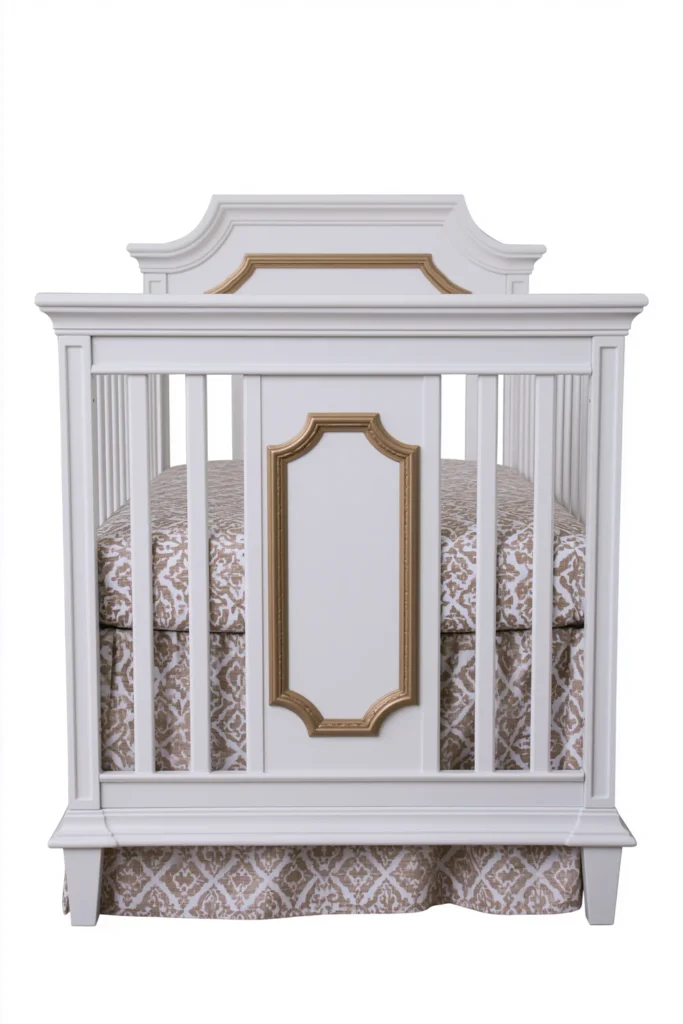
A convertible crib is one of the smartest places to start when planning a nursery. Instead of buying a crib that only works for a short season, this type of bed can move through several stages, often changing into a toddler bed and later a full-size bed. That makes the room feel more planned and less like something you will need to redo quickly.
I would look for a crib with a simple shape, especially one with low footboards, if you want it to feel easy to style later. Upholstered headboards can also help the bed feel more grown-up when the room shifts from nursery to child’s bedroom. The goal is to choose something that feels soft enough for a baby room but not so themed that it looks out of place in a few years.
A practical way to style it is to keep the crib area clean and calm. Let the crib be the main piece, then add bedding and small decor that can change over time. This keeps the larger furniture useful while giving you room to refresh the look as your child grows.
Large Dressers That Double as Practical Changing Stations
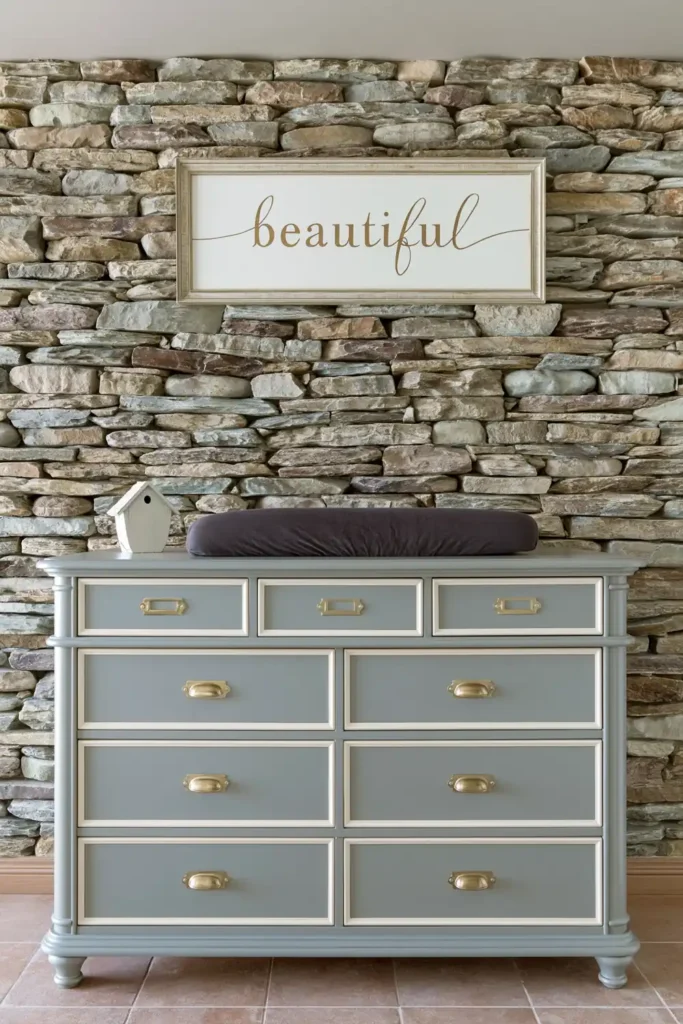
A large dresser can do much more than store baby clothes. In a transitional nursery, it can also work as a changing station during the baby years, then continue as regular bedroom storage later. This is the kind of piece I like because it earns its space every day.
Deep drawers are especially helpful because nursery storage fills up faster than expected. Diapers, wipes, pajamas, blankets, extra sheets, and little outfits all need a place to go. A dresser with solid construction feels more reliable for long-term use, especially if you want it to stay in the room beyond the nursery stage.
For the changing setup, keep the top simple and functional. A changing pad, a small basket for diapers, and a container for everyday supplies are usually enough. Later, when you remove the changing items, the dresser can hold a lamp, books, framed art, or small decor without looking like it used to be a baby-only piece.
Nightstands and Side Tables for Long-Term Nursery Function
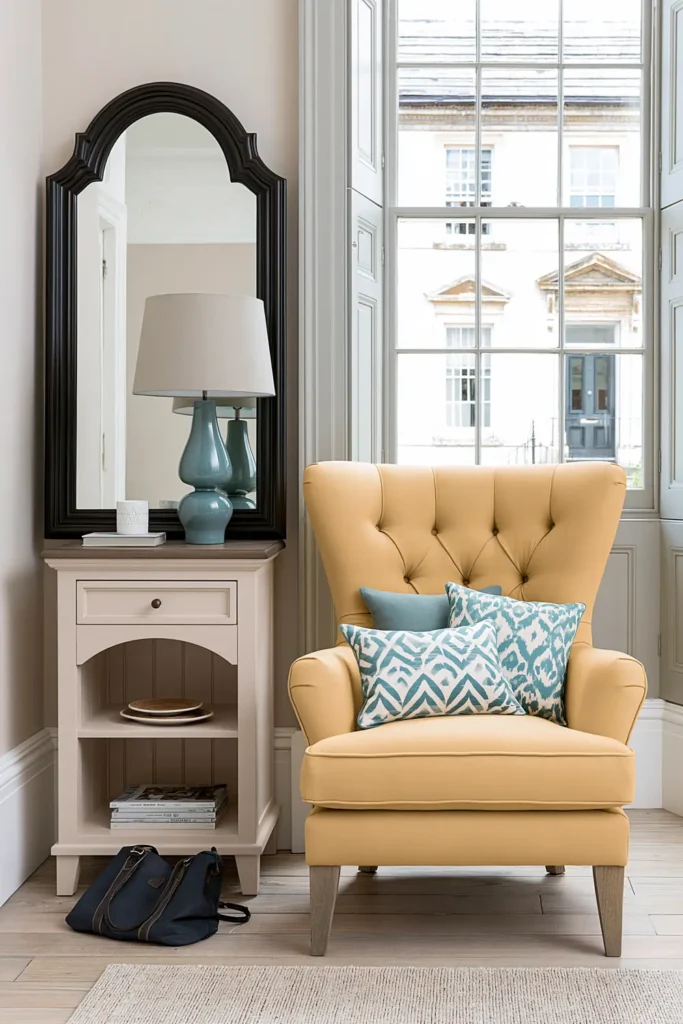
Nightstands are easy to overlook in a nursery, but they can make the room much more useful. Even if your child is not using one yet, a nightstand or small side table beside the glider gives you a practical place for things you reach for often. A water bottle, burp cloth, book, small lamp, or sound machine can all sit nearby instead of ending up on the floor.
This is also a good example of choosing furniture early that will make sense later. A small side table can support the nursery routine now, then become a true nightstand once the crib transitions into a bigger bed. That keeps the room from feeling like every piece has a short expiration date.
I would choose a nightstand with a simple shape rather than something too babyish. A drawer or lower shelf is helpful for hiding small items. If the room is tight, place the side table close to the glider first, then move it beside the bed when the layout changes.
Comfortable Gliders for a Comfortable Nursery Seating Area
A comfortable glider can become one of the most-used pieces in a nursery. It gives you a steady place for feeding, rocking, reading, and sitting quietly during those long nights. In a transitional nursery, the best glider is one that feels comfortable enough for daily use but simple enough to stay in the room as a reading chair later.
I would pay attention to the chair’s shape and comfort more than anything else. A glider with supportive arms and a soft seat can make a big difference when you are spending a lot of time there. If the design is clean and not too nursery-themed, it can easily become part of a warm nook as your child gets older.
To make the seating area work well, place the glider near a small side table or nightstand. That one simple pairing makes the space feel intentional. Add a soft throw or small pillow if needed, yet keep it practical so the chair stays easy to use every day.
Light Blue and Navy Transitional Nursery Design Ideas with Lasting Style
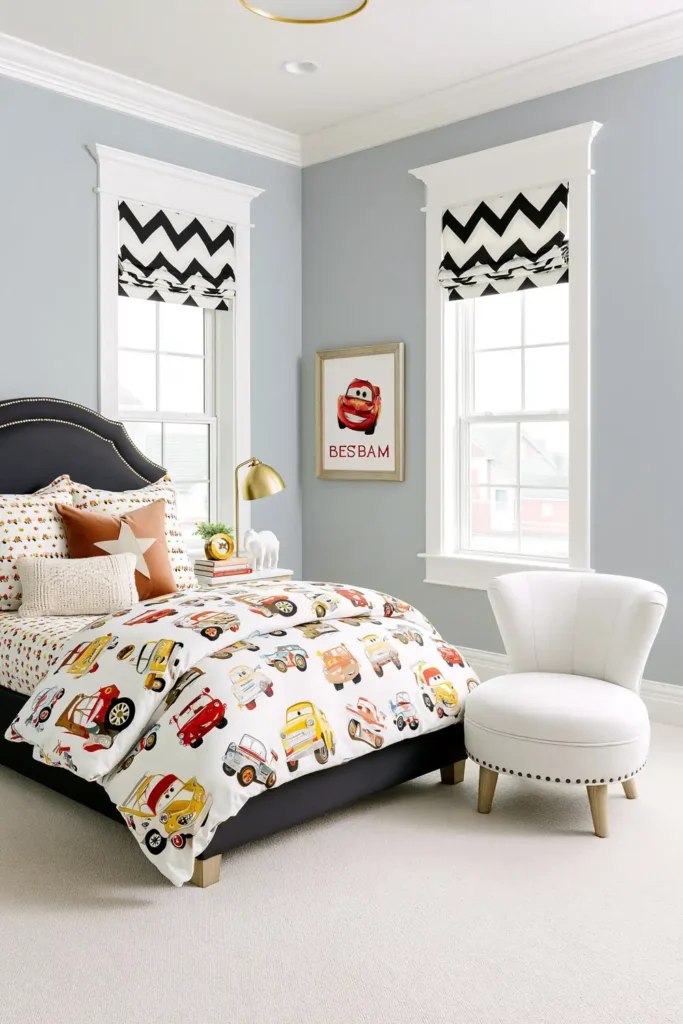
A light blue and navy color scheme can give a nursery a soft look without making the room feel too temporary. Light blue keeps the space calm and gentle, while navy adds enough depth to make the room feel more finished. I like this combination because it can still work when the nursery becomes a child’s bedroom.
Navy window treatments are a good long-term choice because they bring structure to the room. They can frame the windows, balance lighter walls, and make the space feel grounded. A navy rug can do the same thing on the floor, especially if the rest of the room has softer blue tones or simple furniture.
To keep the palette from feeling too heavy, use light blue in larger visual areas and navy in pieces that add contrast. For example, soft blue walls with navy curtains and a navy rug can feel calm but not plain. Later, you can change smaller decor pieces while keeping the main color foundation in place.
A Room That Can Change Without Starting Over
The best transitional nursery does not feel like it is planned for only one stage. It feels calm and practical now, but it also has enough flexibility to grow into a real bedroom later. Choosing pieces like a convertible crib, a large dresser, a side table, and a comfortable glider helps the room work harder without feeling crowded.
I always think the smartest rooms are the ones that leave you options. You can swap bedding, move the nightstand, remove the changing pad, or update the wall decor without replacing every major piece. That makes the space easier to maintain as your child grows and their needs change.
Start with the furniture and colors that will last, then let the smaller details carry the baby feeling. That way, the room still feels sweet and personal now, but you are not locked into a look that only works for a short time.