
A home makeover does not always need to start with knocking down walls or replacing every piece of furniture. Sometimes the ideas that make the biggest difference are the ones that change how a room feels day to day — the color harmony, the lighting, the textures, or one thoughtful detail that finally makes the space work better.
These brilliant home design makeover ideas are a mix of practical upgrades, personal touches, and creative decor choices. Some are simple enough for a weekend refresh, while others can guide a bigger project over time.
The goal is not to make every room look perfect. It is to create a home that feels warmer, more useful, and more connected to the way you actually live.
Using a 60:30:10 Color Palette for an Integrated Home Makeover
A 60:30:10 color palette is one of the easiest ways to make a home feel more pulled together without making every room look exactly the same. The idea is simple: one main color takes up most of the space, a second color supports it, and a smaller accent color adds interest.
This works especially well when you are trying to connect different rooms. For example, a soft neutral could be used on walls or larger furniture, a warmer shade could show up in rugs and curtains, and a darker accent color could appear in cushions, artwork, or small decor pieces.
For a real home, I would start by looking at what you already own. If your sofa, floors, or cabinets are not changing, let those guide the largest color portion. Then use smaller items to adjust the balance instead of repainting or replacing everything at once.
Natural Wood, Rattan, and Seagrass Textures for Added Depth
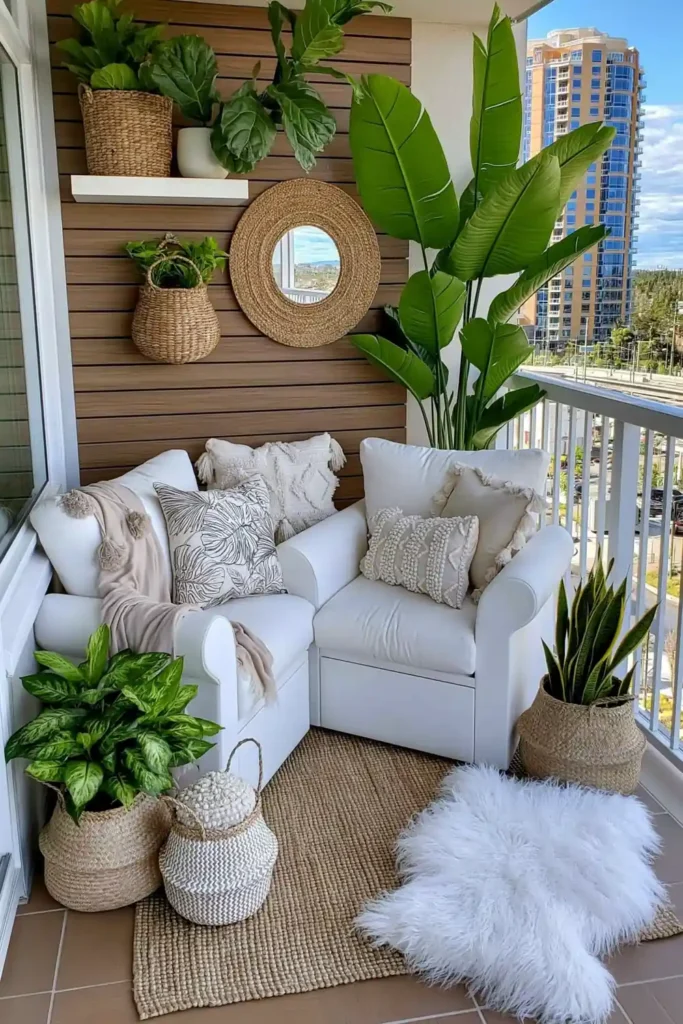
Natural textures are helpful when a room feels flat, even if the color palette is already nice. Wood, rattan, and seagrass bring in a grounded feeling because they add visible grain, woven detail, and slight color variation that plain surfaces commonly lack.
These materials can work in small or large amounts. A rattan chair, seagrass basket, wood side table, or woven tray can soften a room without making it feel cluttered. They are especially useful in spaces with painted walls, smooth cabinets, or simple upholstered furniture.
A practical way to use this idea is to layer textures at different heights. Place a woven basket near the floor, a wood table at seating level, and a small rattan or seagrass accent on a shelf. The room will feel more natural without needing a full redesign.
Layered Illumination for Flexible Everyday Rooms
Layered illumination can completely change how a room functions. One bright ceiling light commonly feels harsh, especially in the evening. When you combine ambient, task, and decorative lighting, the room becomes easier to use at different times of day.
Ambient light gives the room general brightness, task lighting helps with reading or cooking, and accent lighting adds softness around shelves, corners, or artwork. This is useful in living rooms, bedrooms, kitchens, and even hallways because each space has more than one purpose.
In my own home, I like thinking about lighting by activity. A floor lamp beside a chair makes reading easier, a table lamp near a sofa creates a calmer evening mood, and a small accent light can make a dark corner feel intentional. You do not need all new fixtures at once — start with the area that feels least comfortable at night.
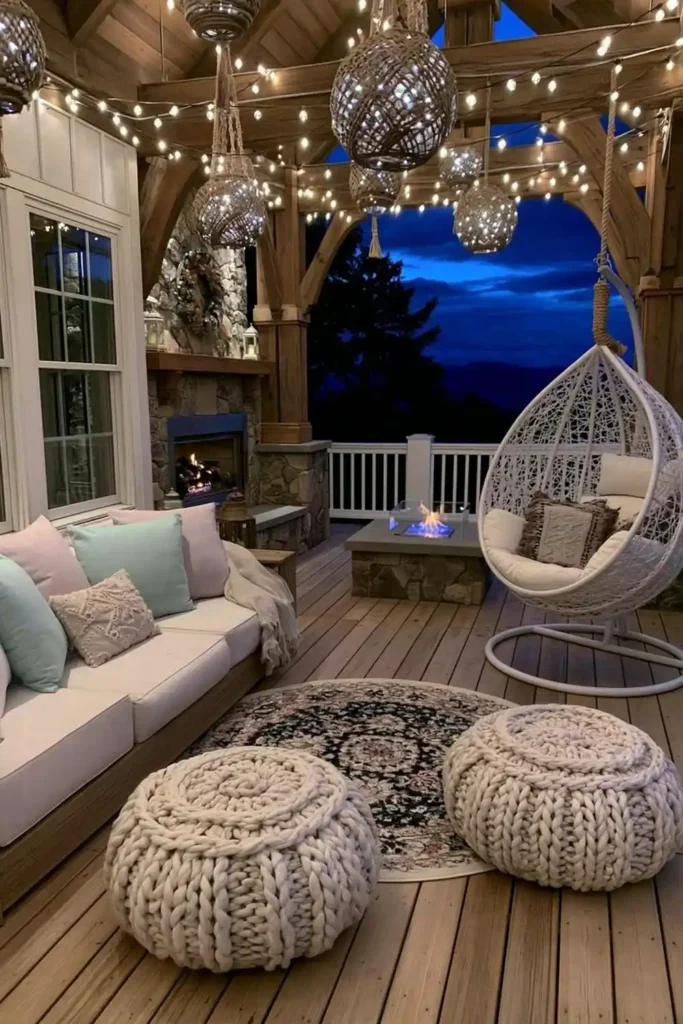
Warm Unpolished Finishes With Low Overhead Lighting
Warm, unpolished finishes are a good choice when a home feels too shiny or cold. Natural materials, softer cabinet finishes, and surfaces that are not too glossy can make rooms feel more relaxed and lived-in. They bring character without needing a lot of decoration.
This idea works especially well with warm colors and floor lamps instead of depending heavily on recessed ceiling lights. Too much overhead lighting can flatten a room, while lower lighting makes textures and materials feel more noticeable. Wood grain, matte cabinet fronts, and slightly imperfect surfaces all look better in softer light.
A simple way to try this is by changing the distribution of light before changing the room itself. Use floor lamps in corners, reduce harsh ceiling lighting when possible, and bring in warmer materials through cabinets, small furniture, or decor. The space will feel calmer and more comfortable without looking unfinished.
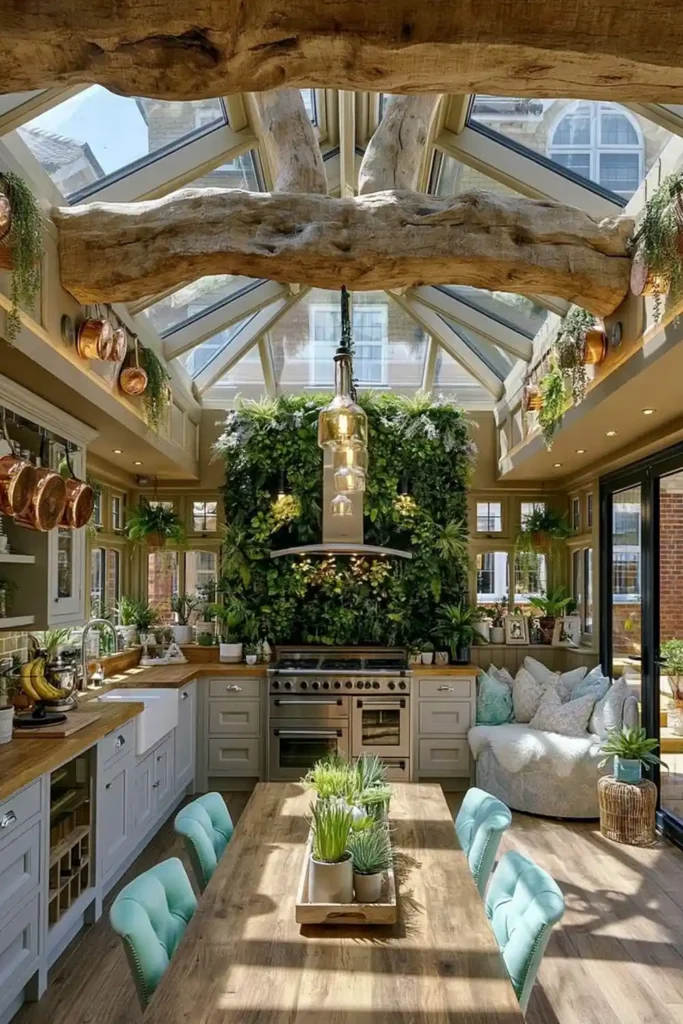
Dopamine Decor With Vintage and Memory-Filled Pieces
Dopamine decor works best when it appears personal instead of random. It is about choosing pieces that make you smile because they remind you of a place, a person, or a season of life. Vintage furniture, preloved finds, and freestanding pieces can give a room a collected feeling.
The key is to curate these items so the room still feels comfortable. A bright side table, an old cabinet, framed family photos, a colorful vase, or a chair from a secondhand shop can all work together when there is enough breathing room around them. The goal is not to fill every surface.
I would use this idea in one corner first. Choose a small area, like a reading chair, console table, or bedroom dresser, and build a little story around it. Add one meaningful object, one useful piece, and one color that makes the space feel cheerful.
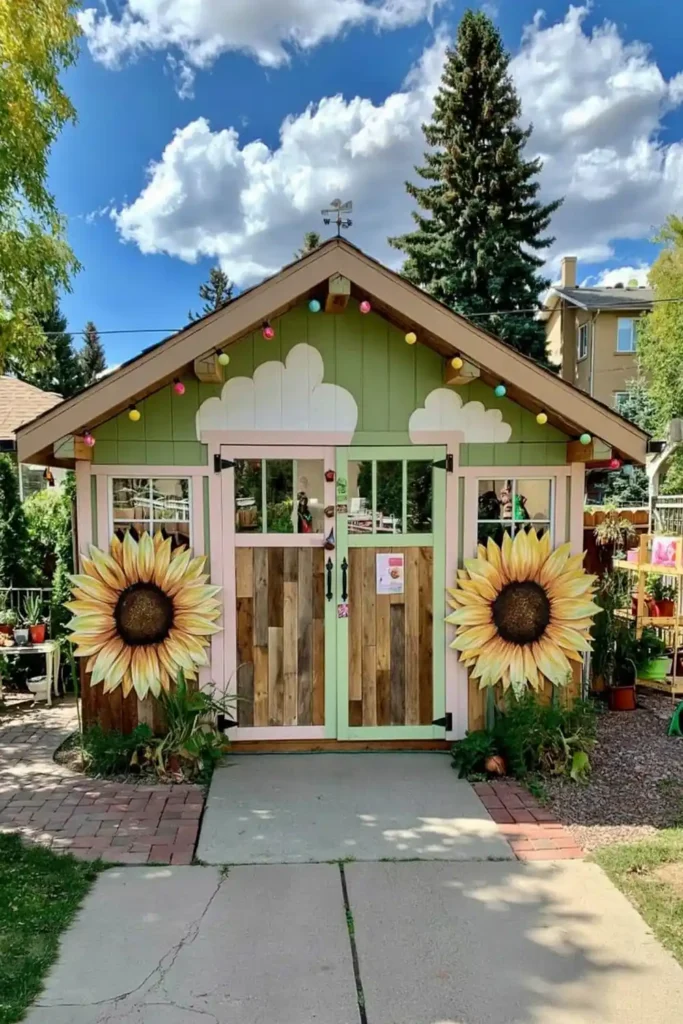
Rental-Friendly Styling With Rugs, Lamps, Art, and Plants
Rental styling is all about making an area feel like home without changing what you are not allowed to change. Rugs, lamps, cushions, sofa covers, throws, art, ornaments, books, flowers, and plants can make a rental feel softer and more lived-in.
Stick-on tiles can help with areas like kitchens or bathrooms, while rugs are useful for covering floors that do not match your style. Console tables and sideboards also help because they give you places to decorate without drilling into walls or replacing built-ins.
A good rental makeover starts with the largest visible surfaces. Cover an old floor with a rug, soften a sofa with a throw or cover, and use lamps instead of relying only on ceiling lights. Then add plants and artwork where the room feels bare. These changes are easy to take with you later.
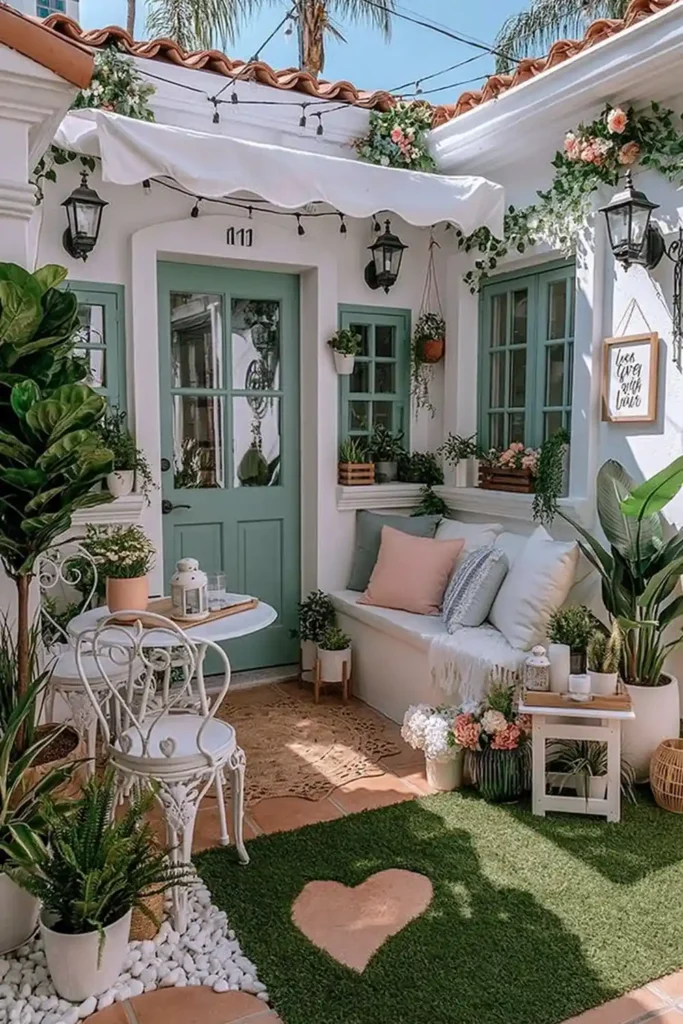
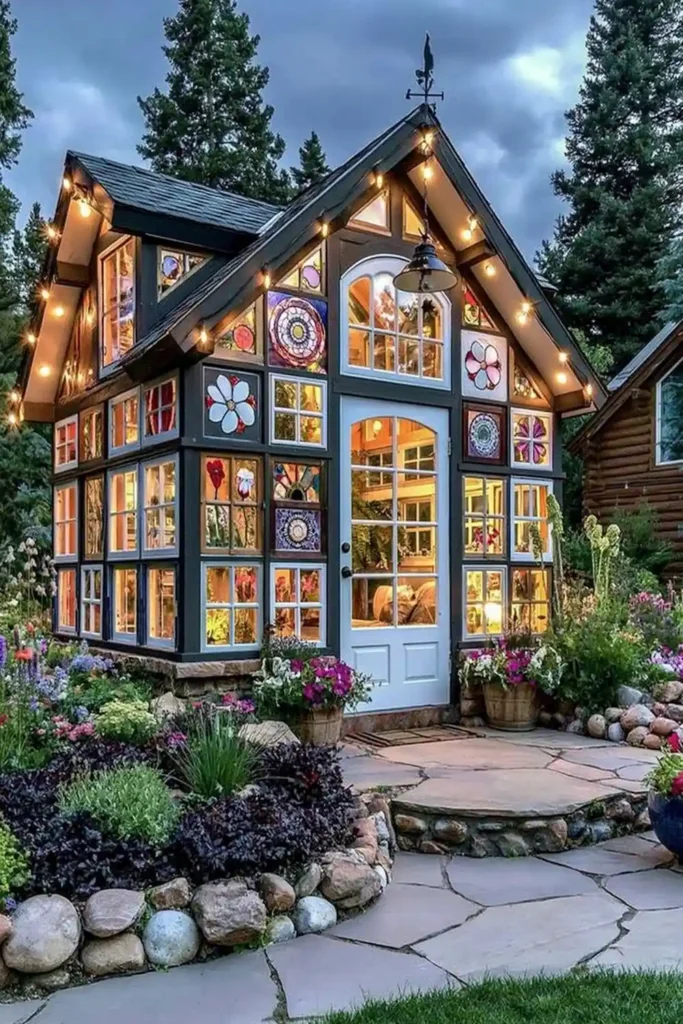
Stained Glass Details for a Character-Filled Home
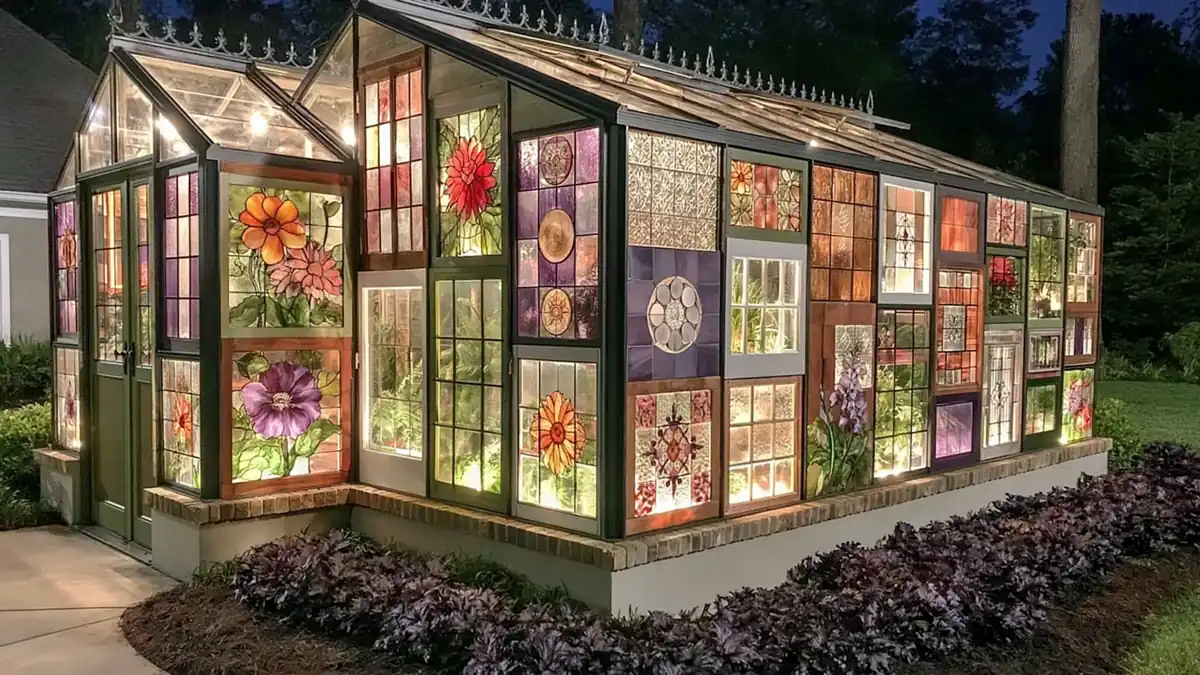
Stained glass adds color and character in a method that feels different from paint or wallpaper. It catches light during the day and creates small shifts in color that can make a hallway, window, cabinet door, or entry area feel more special.
This detail does not need to cover a large area. A small stained glass panel, a decorative window insert, or a glass detail in a door can be enough. Because the material already has pattern and color, it usually works best when the nearby decor is kept fairly simple.
If you want to try this idea without a major renovation, look for removable or freestanding stained glass pieces. Hang one in a sunny window or place it where ambient light can pass through. It gives the room a crafted feeling without needing to redesign the whole space.
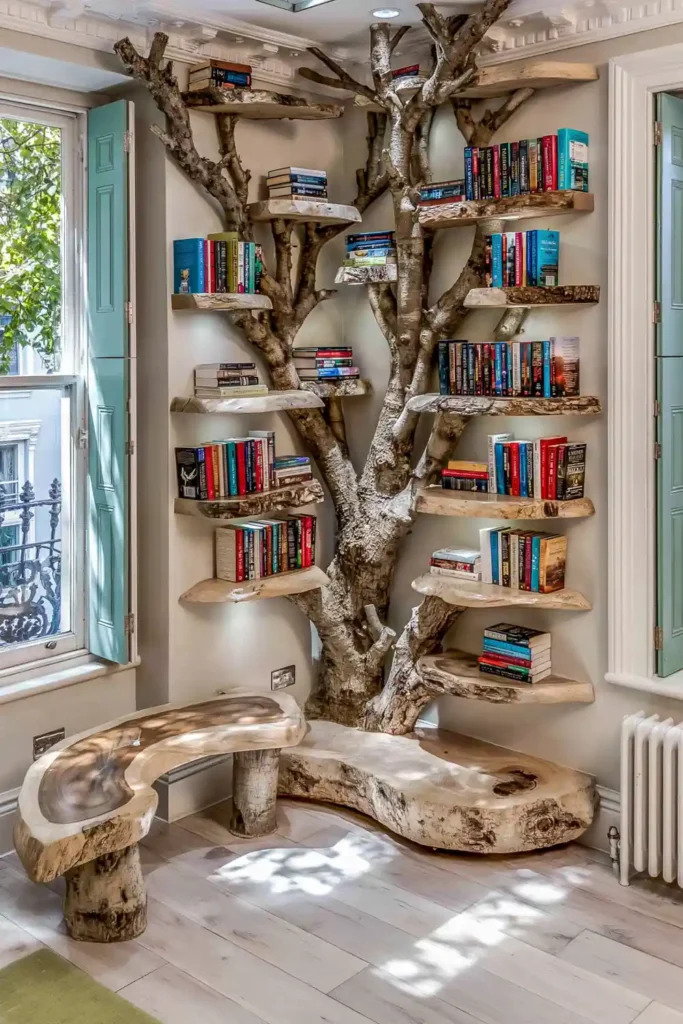
Built-In Reading Nook Shelves for Books and Seating
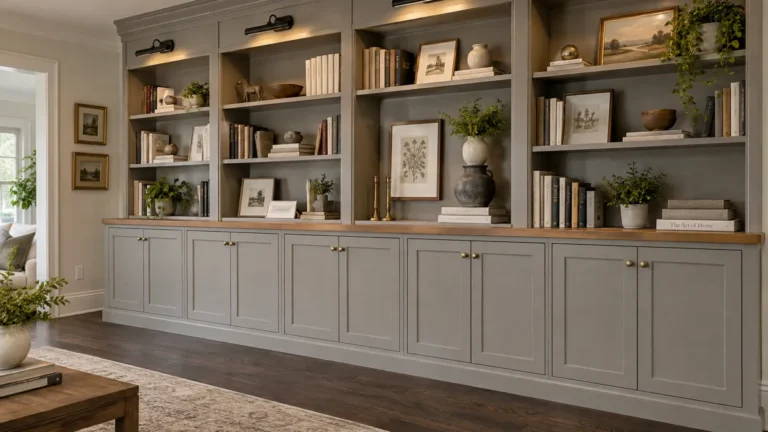
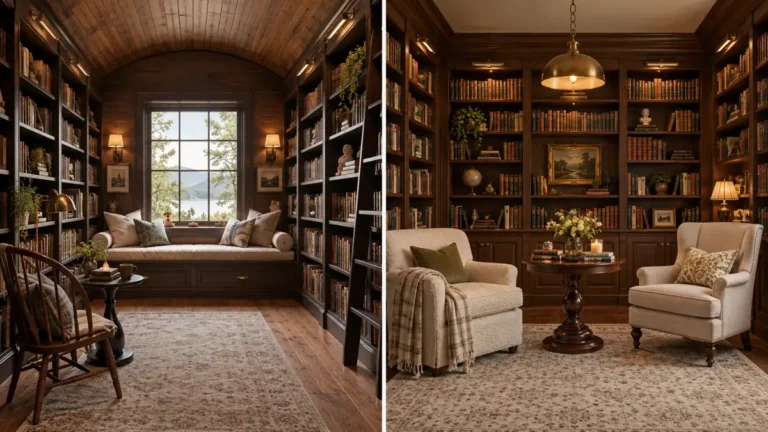
A reading nook with long, wide shelves can make a calm corner much more useful. When the shelves are intended for both books and sitting, the space becomes more than storage. It turns into a small retreat where you can read, rest, or simply step away from a busy room.
The shelf depth matters here. A narrow shelf may hold books, but a wide one can become a bench-like seat with cushions added. Books can be arranged along the sides or underneath, depending on the layout. This makes the nook practical while still making it feel cozy.
For a real home, I would keep the seating area simple and comfortable. Add a firm cushion, a few soft pillows, and enough open space so it does not feel crowded. A nearby lamp or wall light would make the nook easier to use in the evening.
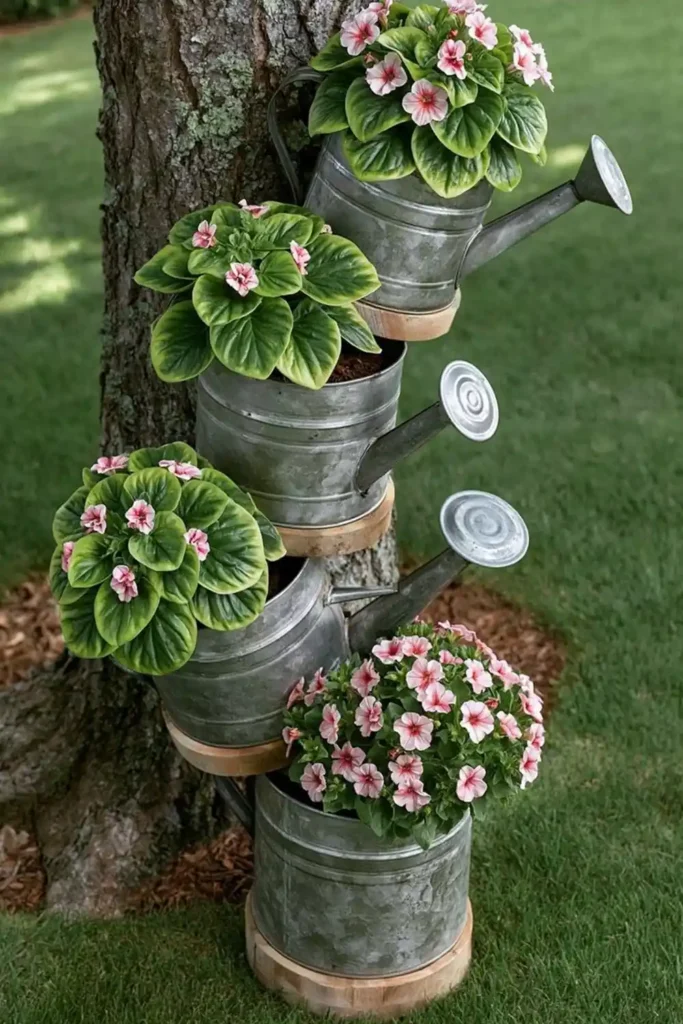
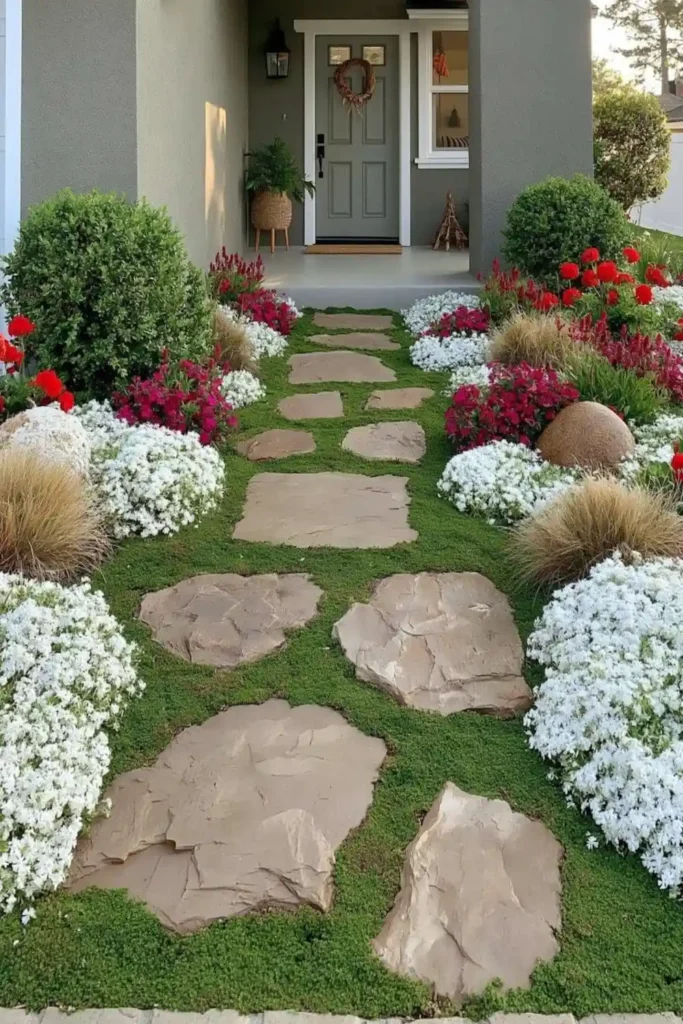
Vivid Pink Flower Displays for Outdoor Color
Vivid pink flowers can bring life to an outdoor space very quickly. They work well when a porch, garden bed, or walkway feels a little plain but does not need a full landscaping project. Strong flower color gives the eye somewhere to land.
The nice thing about pink flowers is that they can stand alone or be grouped with greenery. In pots, they can brighten steps, patios, and small corners. In garden beds, they can soften hard edges around paths, fences, or outdoor seating areas.
For a simple makeover, I would use pink flowers in repeated spots instead of placing one pot by itself. Try two matching containers near an entry, or a few grouped planters in different heights. Repeating the color makes the space feel planned without needing many different plants.
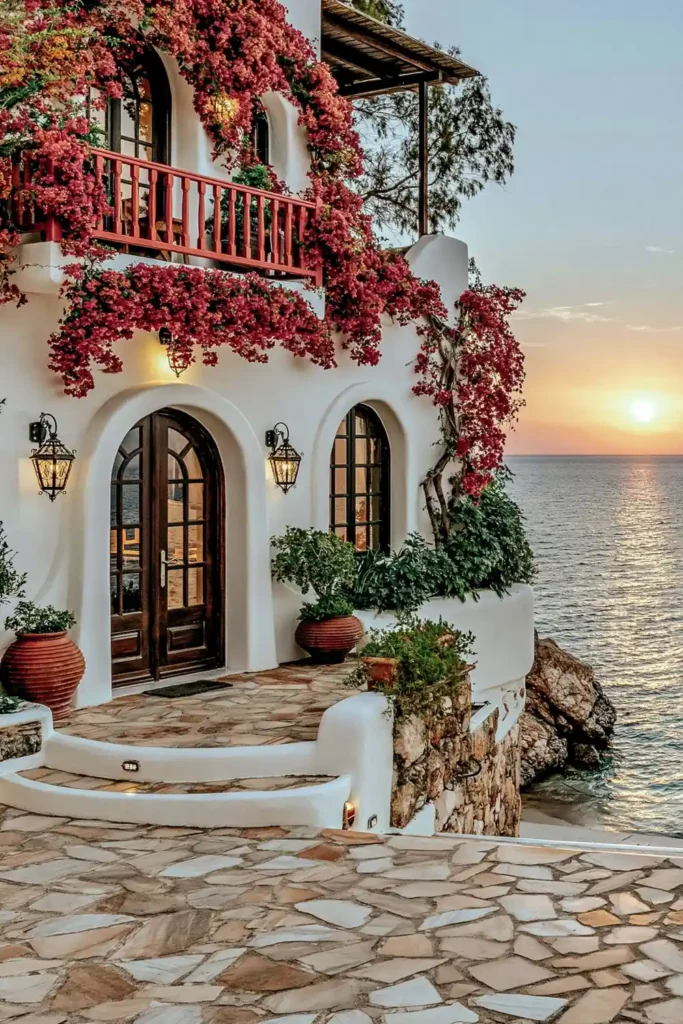
Door Frame Entryways That Define the Arrival Space
A door frame entryway can make the first step into a home feel more intentional. Even when the entry is small, using the door frame as a visual boundary helps separate the arrival area from the rest of the room.
This idea works because it gives the entry a clear shape. The frame naturally creates a place for a small rug, wall hooks, artwork, or a narrow table if there is enough room. It helps the space feel like an entryway, not just a pass-through.
In a practical home, I would keep this area simple. Choose one useful piece, like a slim console or small bench, then add one decorative detail, such as a mirror or framed print. The door frame already gives structure, so you do not need to overfill the area.
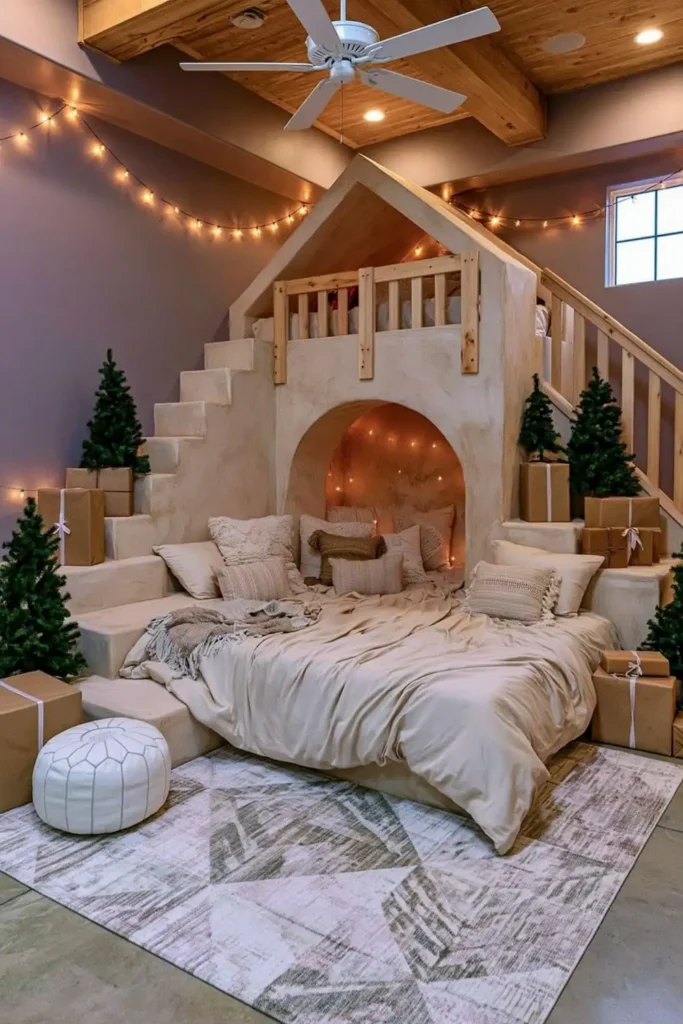
Bunk Beds for a Smarter Bedroom Makeover
Bunk beds are useful when a bedroom needs to sleep more than one person without using all the floor space. They can make a shared room seem more organized because the beds stack vertically instead of extending across the room.
The layout around bunk beds matters. Leave enough walking space near the ladder or steps, and keep storage close so the room does not become messy. Bedding can also help the beds feel coordinated, especially if each level has slightly different pillows or throws within the same color family.
For a bedroom makeover, I would measure carefully before choosing the bunk bed. Think about ceiling height, window placement, and where the dresser or toy storage will go. A good layout makes the room easier to live in, not just nicer to look at.
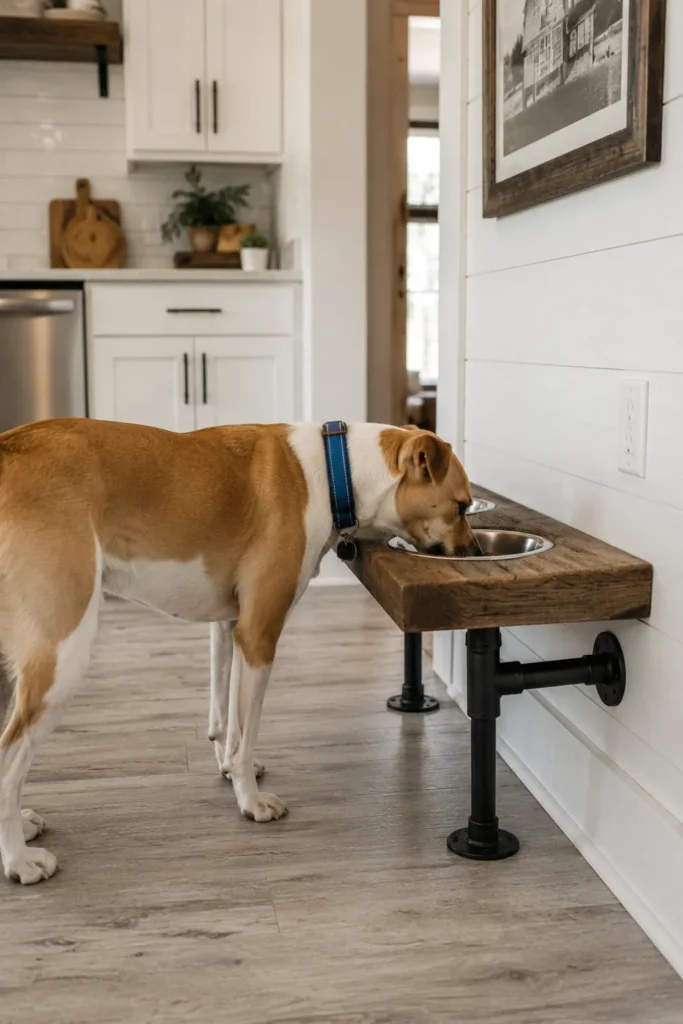
Dog Bowl Pot Filler for a Practical Kitchen Upgrade
A dog bowl pot filler is one of those small upgrades that make daily life easier. Instead of carrying water across the kitchen, the bowl can be filled right where it sits. It is especially helpful for larger dogs or hectic households.
This detail works best in a kitchen, mudroom, or utility area where the dog bowl already has a set place. The pot filler should be positioned low enough to be useful and near a washable surface if possible. A simple mat or tray beneath the bowl can help catch splashes.
If you are planning a renovation, this is the kind of feature worth thinking about early. Plumbing placement matters, and it is easier to include it before cabinets or walls are finished. It may not be the showiest detail, but it can make the home feel better designed for real life.
Toy Car Displays for a Fun Wall Feature
A toy car display can turn a collection into part of the room instead of something that always needs to be packed away. Hot Wheels and small toy cars have color, shape, and spirit, so displaying them neatly can make a play area feel fun without looking chaotic.
The display works best when the cars have a clear structure. Shallow shelves, narrow ledges, or divided wall storage can keep each car visible. This makes it easier for children to choose what they want while also keeping the collection off the floor.
For a practical setup, place the display at a height that fits the person using it the most. If it is for a child, lower shelves make more sense. Leave a little empty space as the collection grows, because toy car displays can get crowded quickly.
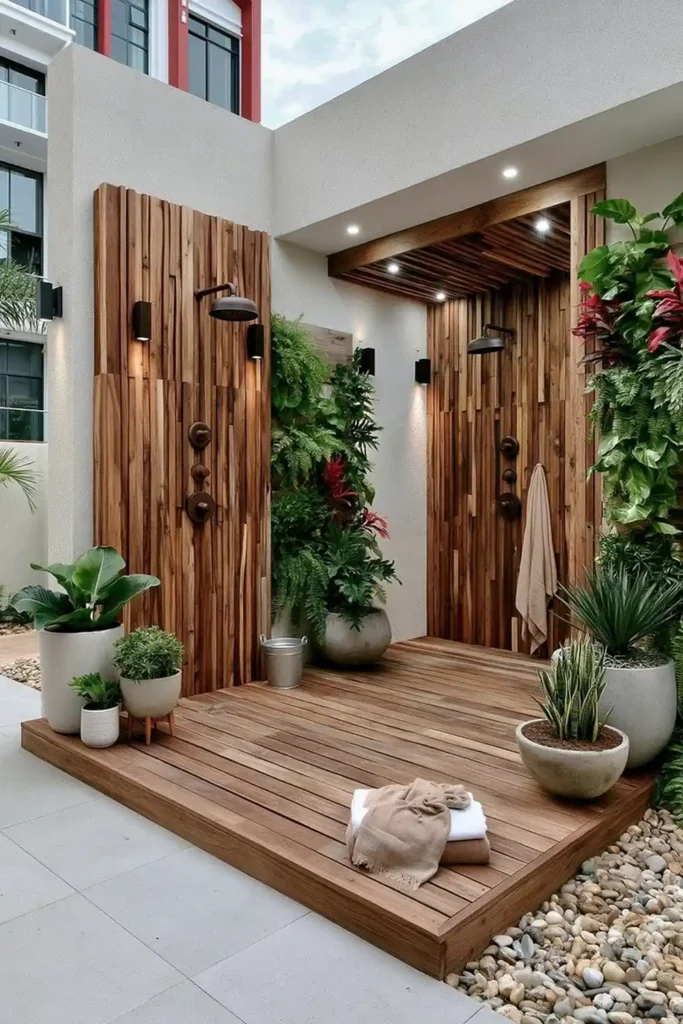
Backyard Shower Area for Outdoor Living
A backyard shower can be a useful and refreshing addition, especially near a pool, garden, beach-style yard, or outdoor work area. It gives people a place to rinse off before coming inside, which helps keep the house cleaner.
The shower area should feel private enough to use comfortably. Fencing, a screen, a tucked-away wall, or plants can help define the space. The flooring also matters because water needs somewhere safe to drain. Stone, decking, or gravel can work depending on the yard.
If I were planning this, I would think about it like a small outdoor room. Add a hook for a towel, a simple shelf for soap, and a surface underfoot that is not slippery. Those small details make it feel intentional instead of temporary.
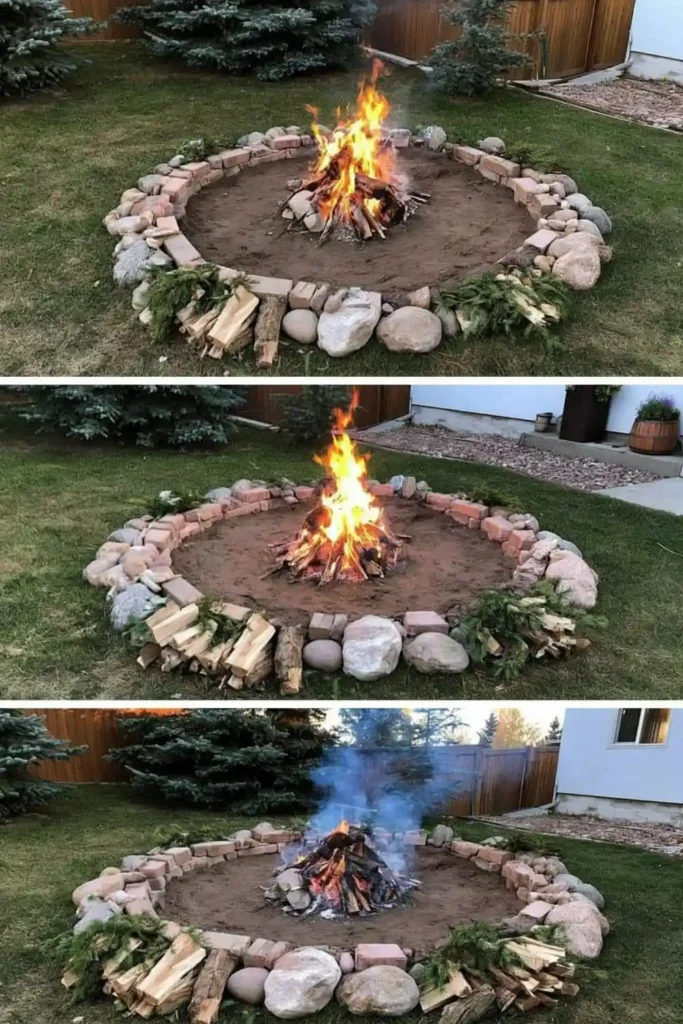
Fire Pit Setup for Cozy Outdoor Events
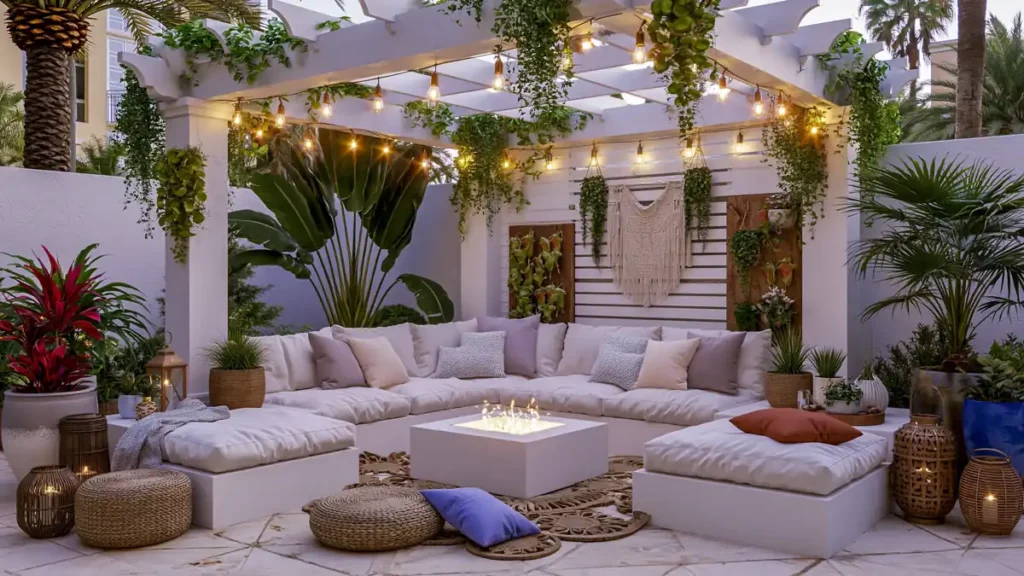
A fire pit setup creates a natural gathering point outdoors. People tend to sit around a fire without needing much direction, which makes it helpful for patios, backyards, and casual evening spaces.
The seating arrangement is the most important part. Chairs should be close enough for conversation but not so close that the heat feels uncomfortable. A circular or half-circle layout usually works well because everyone can face the fire and still talk easily.
For a simple outdoor makeover, start with the ground surface and seating before adding extras. Gravel, pavers, or a defined patio area can make the fire pit feel settled. Then add outdoor cushions, a side table, or a wood stack nearby if it fits the space.
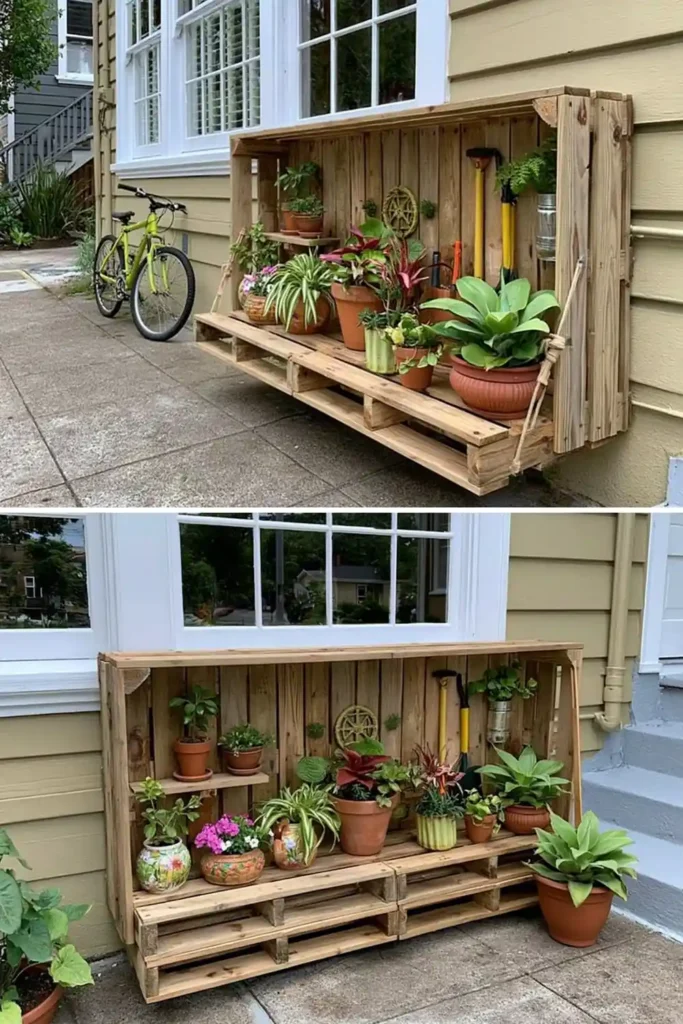
Repurposed Pallet Structures for Outdoor Makeover Ideas
Repurposed pallets can be useful outdoors when you want a makeover that feels rustic and practical. The wood can be turned into small structures, storage pieces, plant stands, or casual seating, depending on the condition and size of the pallets.
The key is to make the pallet project look intentional. Sand rough edges, choose a finish that fits the rest of the yard, and avoid using damaged wood in places where people will sit or lean. A simple stained or weathered look often fits outdoor spaces well.
I would use pallets in a garden corner, patio, or shed area where their casual look makes sense. They are especially helpful for vertical storage or plant displays because the slats already create divisions. Keep the styling simple so the structure does not feel messy.
Water-Supported Table as a Statement Furniture Piece
A water-supported table is the kind of piece that becomes the main conversation point in a room. Because the support is connected to water, it feels more like an art feature than ordinary furniture.
This idea works best when the rest of the room gives it space. A table with such an unusual base should not be crowded by too many other statement pieces. A simple chair, clean flooring, and a calm surrounding palette would help the water detail stand out.
In a real home, I would use this type of table in a spot where it can be seen clearly but still used comfortably. It could work in a small sitting area, entry corner, or creative studio space. The important thing is to keep nearby decor quiet so the table seems deliberate, not confusing.
Big Wood Beams for Warm Architectural Character
Big wood beams can offer warmth and weight to a room very quickly. They bring the look upward and make the space feel more grounded, especially in rooms with plain ceilings or large open areas.
The wood finish makes a big difference. Darker beams can feel rustic and dramatic, while lighter or more natural wood can feel softer and more relaxed. Either way, the texture of the wood helps balance smoother surfaces like painted walls, tile, or simple cabinetry.
If beams are already part of the home, I would avoid hiding them behind too much ceiling decor. Let them breathe. If you are adding decorative beams, make sure their size fits the room. Beams that are too small can look like trim, while beams that are too heavy can overwhelm a low ceiling.
Heart-Shaped Rock Collections as Natural Decor
A heart-shaped rock collection is a small decor idea, but it can carry a lot of meaning. Stones collected from walks, trips, gardens, or special places can become a quiet display that appears personal without being flashy.
The best way to style rocks is to give them a defined place. A shallow bowl, tray, shelf, or small glass container keeps the collection together and makes it look intentional. The natural colors and uneven shapes add texture in a simple way.
I would place this kind of collection somewhere you pass often, like an entry table, windowsill, or bookshelf. It does not need much around it. A small label, a simple dish, or one nearby plant can be enough to make the display feel thoughtful and calm.
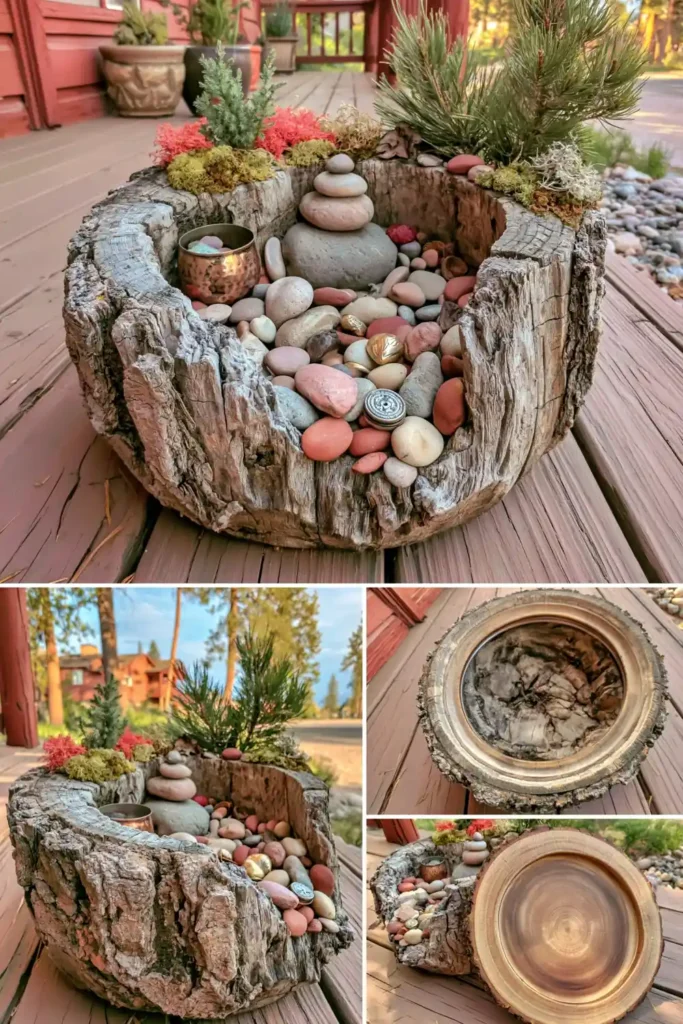
Repurposed Old Tree Stump for Garden Character
An old tree stump can become a useful garden feature instead of something that feels leftover. Because it already belongs outdoors, it blends naturally with plants, soil, stones, and pathways.
A stump can be used as a small plant stand, a rustic side table, or a base for a decorative object. Its shape, bark, and weathered surface add character that new garden decor often tries to imitate. The more natural it looks, the better it usually fits.
For a simple garden makeover, clean the stump enough to make it usable, but do not over-polish it. Add a planter on top, place it beside a chair, or let it mark the edge of a planting area. It gives the garden a lived-in feeling without needing a store-bought feature.
Potato and Onion Cabinets for Smarter Kitchen Storage
Potato and onion cabinets are a practical kitchen idea that can make storage feel more thoughtful. Potatoes and onions both need dark storage, but they should not be kept together because onions can make potatoes spoil faster. Separate cabinet spaces help keep each one in a better condition.
This works best in a kitchen with dedicated lower cabinets, pull-out bins, or ventilated storage areas. The space should be easy to reach but away from direct light and heat. A dark cabinet near a prep area can be helpful, as long as there is enough airflow.
If you are planning kitchen storage, think about what you actually buy every week. A small divided cabinet can be more useful than one large basket where everything gets mixed together. It keeps the kitchen tidier and makes everyday cooking easier.
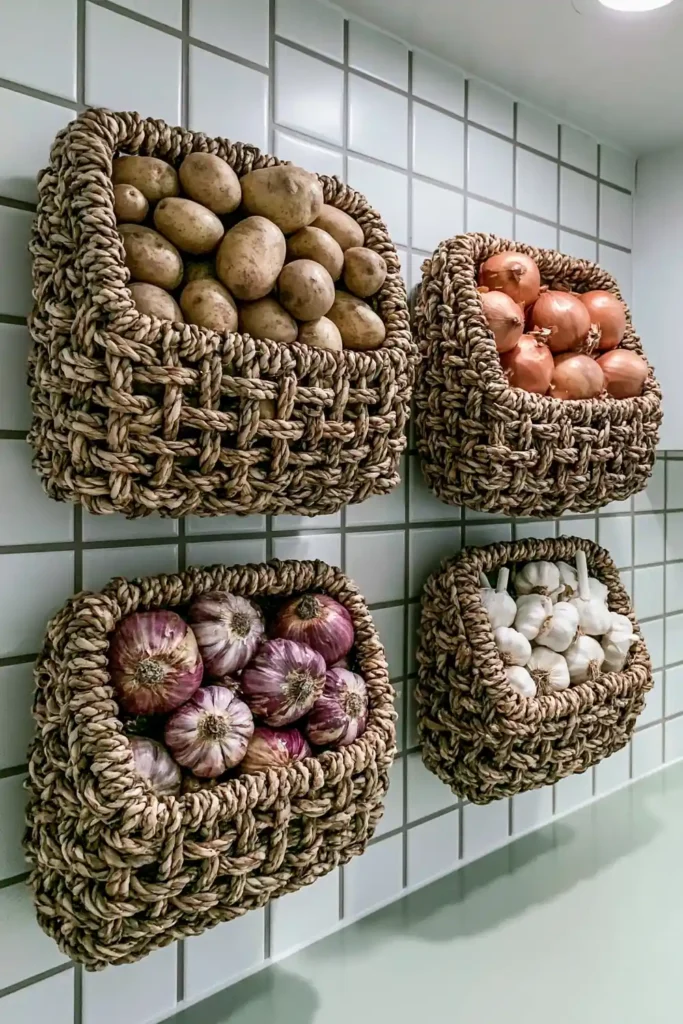
Floor Pillow Seating for Intimate Entertaining Spaces
Floor pillow seating creates a relaxed setting for casual conversation, snacks, or small gatherings. It works especially well in rooms where you want people to feel comfortable without arranging everything around formal chairs.
The pillows should be large enough to sit on comfortably and firm enough that they do not flatten too quickly. Layering a rug underneath makes the area feel warmer and gives the seating zone a clear boundary. Low tables work well with this setup because they keep drinks and food within easy reach.
For a real home, I would use floor pillows in a corner of a living room, media room, or covered patio. Keep a basket nearby so the pillows can be stored when not in use. That way, the space stays flexible instead of looking messy.
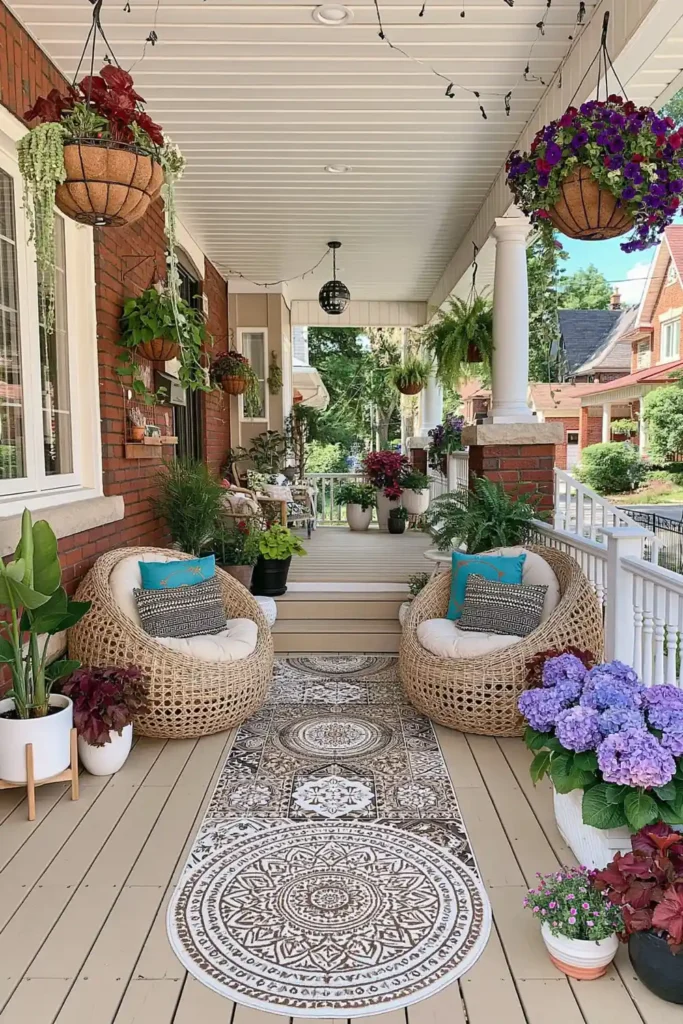
Potted Porch Plants With Hanging Planters and Bushes
Potted porch plants can make the front of a home feel cared for without needing a full garden. Hanging planters, purple flowering plants, and potted bushes can bring color and softness to a porch, especially when the architecture feels plain.
The mix of heights is what makes this idea work. Hanging planters draw the look upward, while potted bushes ground the space near the floor. If the windows are different sizes or styles, plants can help balance the view by adding a natural rhythm across the porch.
A simple approach is to start with two larger pots near the entry and one or two hanging planters where they will get enough sunlight. Keep the containers coordinated but not identical. That gives the porch a relaxed look while still feeling planned.
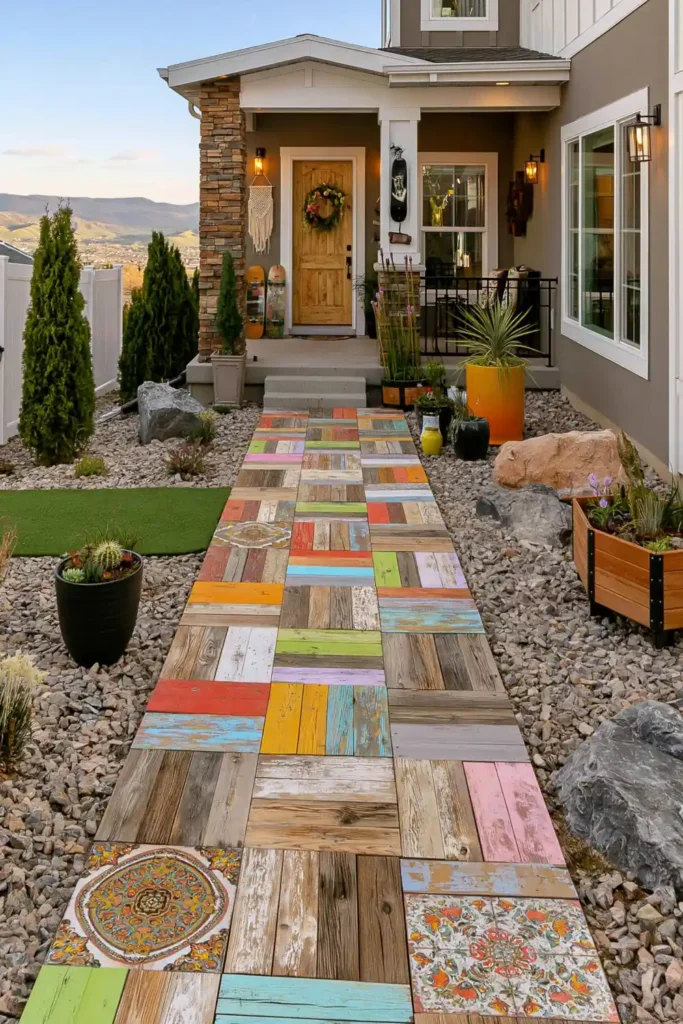
Stained Wooden Tiles for a Warm Surface Upgrade
Stained wooden tiles can offer warmth to a surface without using one large piece of wood. Interlocking tiles are especially useful because they create a repeated pattern that feels structured but still natural.
This idea can work on a patio, balcony, small outdoor floor area, or even a defined indoor feature, depending on the material. The stain color matters. A warm stain can make the space feel cozy, while a darker stain adds more contrast and a slightly richer look.
If you use wooden tiles outdoors, pay attention to drainage and maintenance. They should sit on a suitable surface and be cleaned when needed so the wood keeps its color. Even a small tiled area under a chair or table can make the space feel more finished.
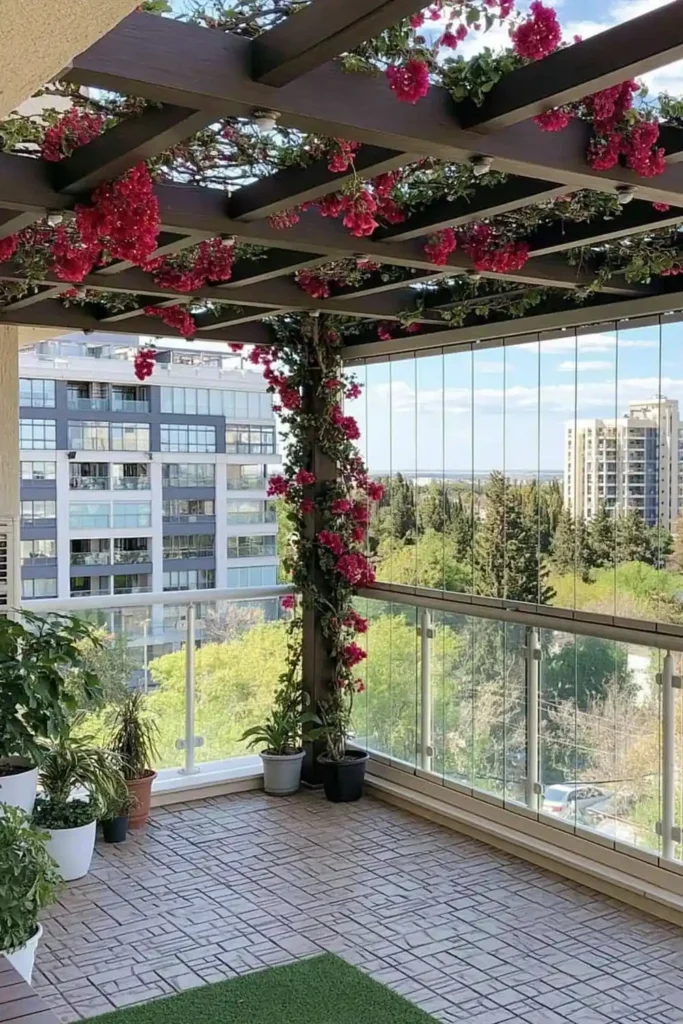
Glass Paneled Fencing With Vines for Outdoor Style
Glass paneled fencing can give an outdoor area a cleaner, more open look while still creating a boundary. It is especially useful when you do not want to block the view completely, such as near a garden edge, roadside area, or front outdoor space.
The glass brings a smooth, modern surface, while vines soften the overall feeling. That mix keeps the fencing from looking too plain or cold. A post beside the glass panel can also add structure and make the fence feel more finished.
For a practical outdoor makeover, I would keep the planting simple around this kind of fence. Let the vines do most of the softening, then avoid crowding the area with too many extra planters or decorations. The contrast between clear glass and natural greenery is already enough to make the space interesting.
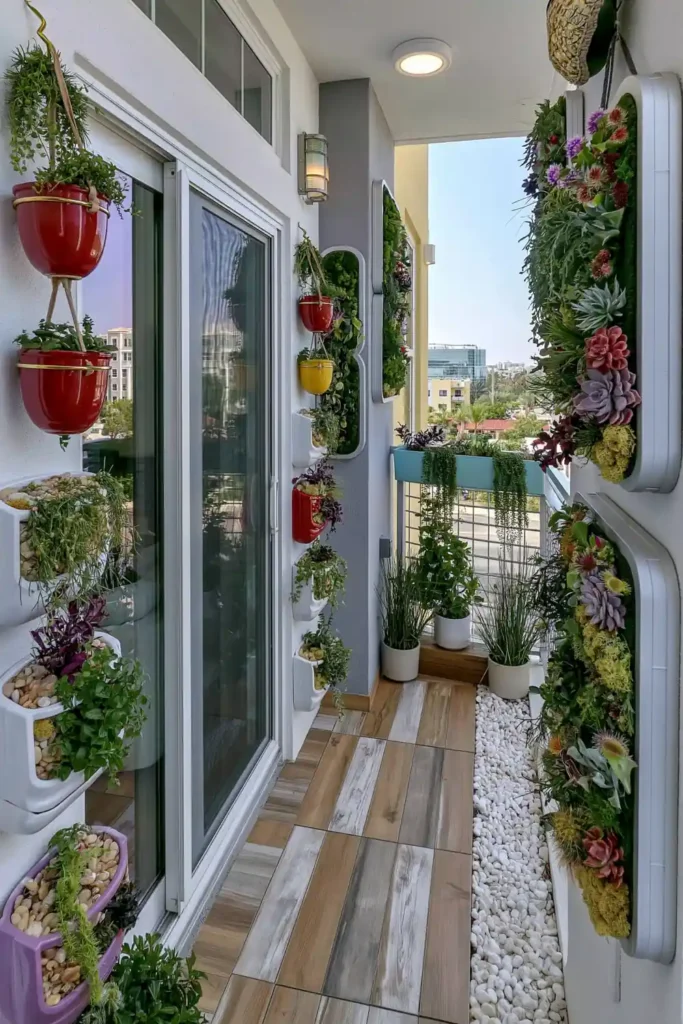
Gate Plants and Door Tables for an Outdoor Entry Moment
Placing plants near a gate and tables in front of doors can create a small outdoor entry moment. It helps the space feel decorated before anyone even steps inside the home.
The plants bring softness and color around the gate, while the tables give the door area a clear focal point. This can work well when the entrance feels empty or when the door needs something to visually anchor it. The key is choosing tables that fit the scale of the doorway.
In a real home, I would make sure the table does not block movement. A narrow table, small outdoor console, or compact accent table can work if there is enough room to pass comfortably. Add one plant, lantern, or simple decorative object so the area feels styled but still practical.
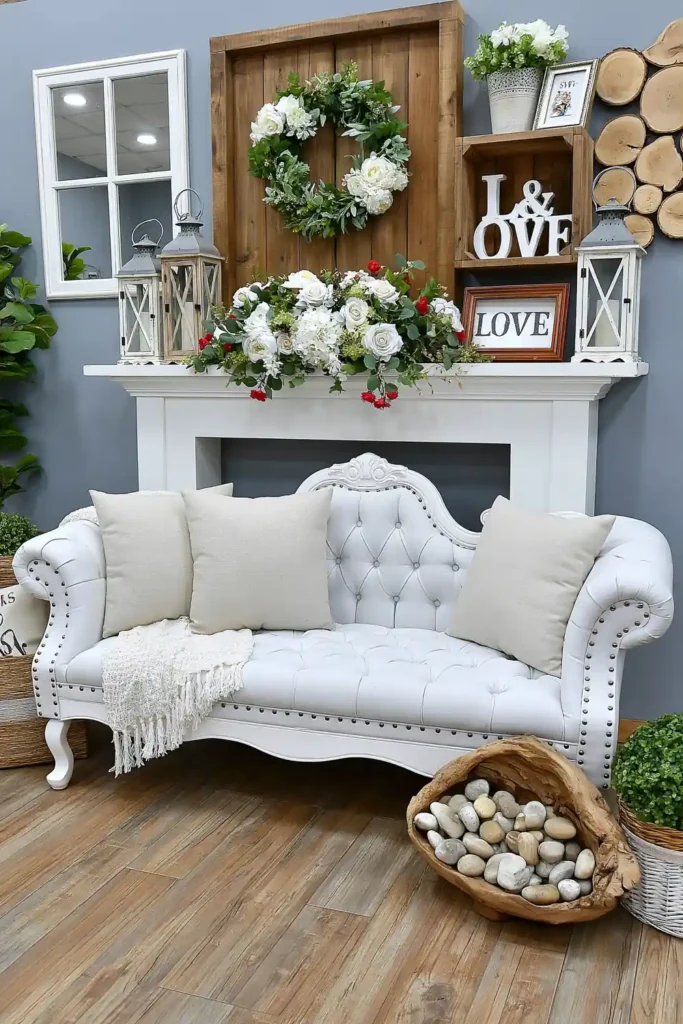
Tufted Beige and White Couch for a Soft Living Room Look
A tufted beige or white couch can make a living room feel soft and comfortable without using bold color. The tufting adds detail, while the light fabric keeps the room feeling open and calm.
This works especially well when the tufting is not on the seat portion, because the couch stays easier to sit on and maintain. Tufted backs or arms can still give the piece character without creating too many crumbs-catching spots where people sit every day.
For styling, I would keep the surrounding decor warm rather than stark. Add a textured throw, a wood coffee table, or cushions in soft neutral shades. A light couch can look beautiful, but it needs a few grounded materials around it so the room does not feel too delicate or showroom-like.
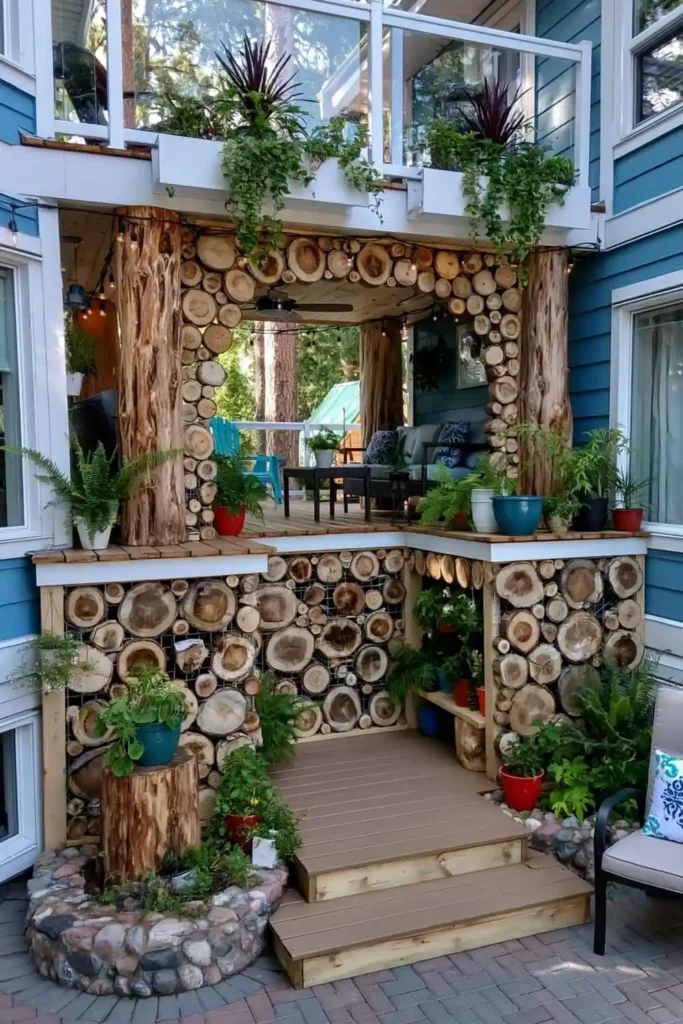
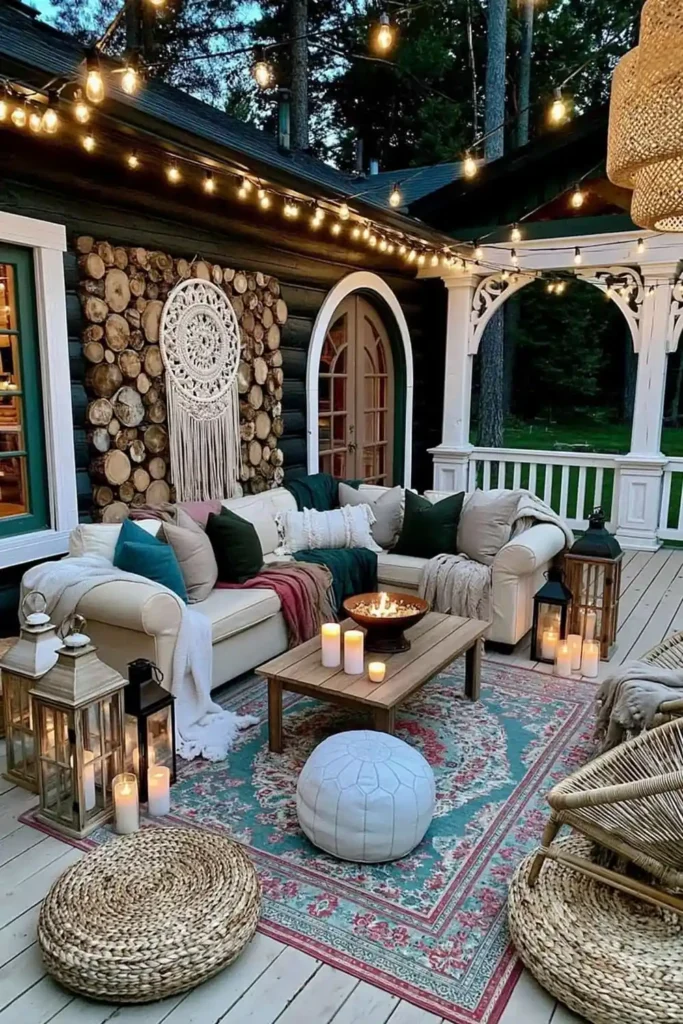
Stacked Wood as Rustic Outdoor Decor
A stack of wood can be more than storage if it is arranged neatly. Outdoors, stacked wood brings a rustic texture that works well near fire pits, patios, sheds, or garden walls.
The shape of the stack matters. Straight rows feel tidy and practical, while a more casual stack can suit a relaxed backyard. The natural cut ends of the wood add pattern and warmth, especially beside stone, metal, or painted outdoor surfaces.
If you use this idea, place the wood where it makes sense functionally. Near a fire pit or outdoor fireplace is the most practical spot. Keep it slightly raised or protected if needed, so it stays dry. A clean wood stack can make an outdoor area feel ready for use, not just decorated.
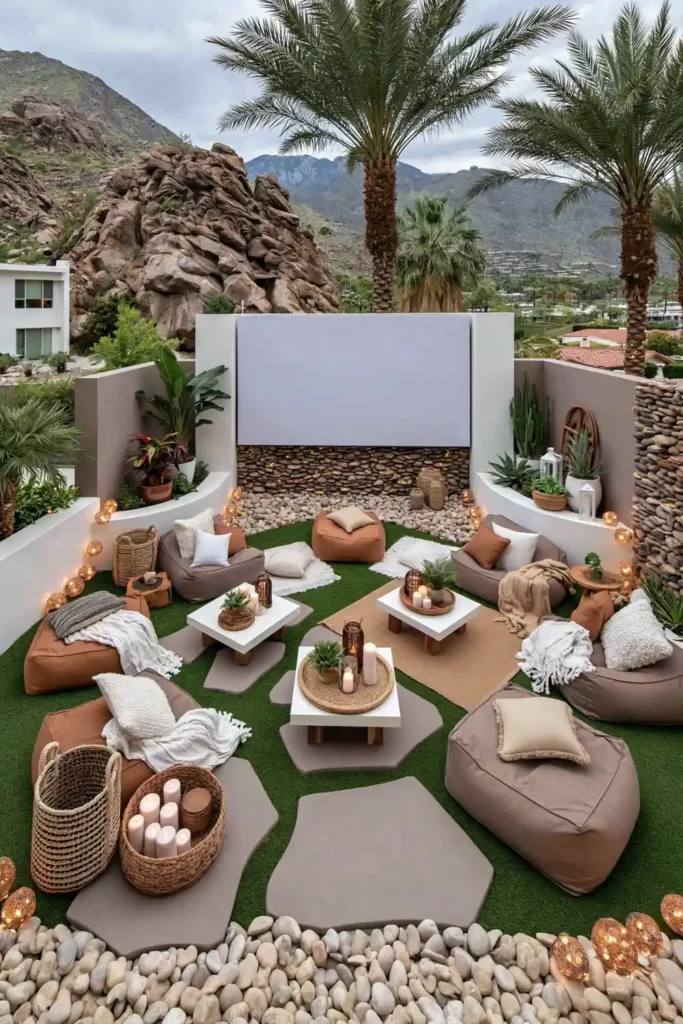
Movie Night Setup With Adjustable Cushions and Screen Lighting
A movie night setup can make a living area or media space feel more comfortable for long evenings at home. Upright, adjustable cushions are useful because they let people sit, lean back, or lie down without needing a full sectional sofa.
The screen and sound system are the main focus, but the lighting around the screen matters just as much. Lights placed nearby can reduce the harsh contrast between a bright screen and a dark room. They also help the space feel cozy instead of feeling like a temporary setup.
For a practical version, I would keep the cushions easy to move and store. Use a low table for snacks, keep cords organized, and choose gentle lighting that does not reflect directly on the screen. That makes the setup feel relaxed but still usable.
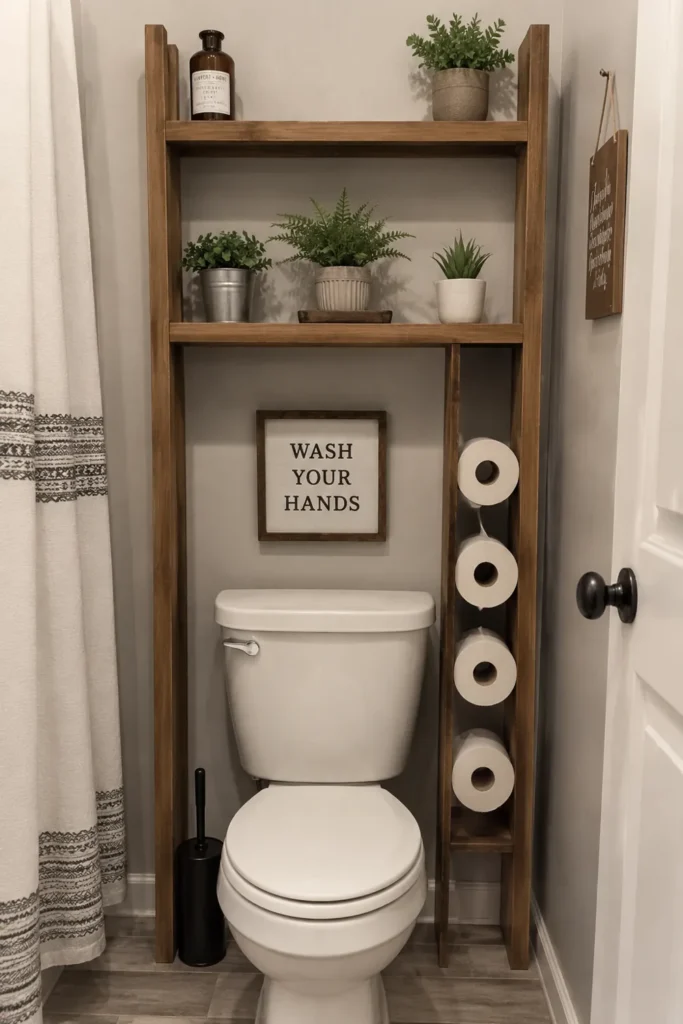
Unique Toilet Paper Holder for a Small Bathroom Detail
A unique toilet paper holder is a small detail, but bathrooms are full of small details. When the room is compact, even practical items can become part of the design instead of being ignored.
This kind of upgrade works because it does not require a full bathroom renovation. A holder with an unusual shape, finish, or placement can add character near the toilet without taking up much space. It is especially helpful in a simple bathroom where the walls, floor, and fixtures are fairly plain.
I would choose something that still works easily every day. It should be reachable, sturdy, and simple to refill. A bathroom detail can be charming, but it should not make the room harder to use.
Repurposed Water Trough for Outdoor Decor
A repurposed water trough can add a practical, rustic element to an outdoor space. Because it already has a strong shape and weather-friendly purpose, it can work well in gardens, patios, or yard corners.
The trough could hold water, plants, or simply act as a large outdoor feature depending on how it is used. Its size gives it presence, so it usually looks best when placed where it has room around it. Gravel, grass, or simple planting nearby can help it blend into the yard.
For a home makeover, I would use a trough where it feels useful rather than decorative only. It might become a planter, a water feature, or a container near a garden area. Keep the surrounding decor simple so the trough feels like the main object.
Narrow Benches for Simple Flexible Seating
Narrow benches are useful because they provide seating without taking up much visual space. Since they do not have back support, they can fit under windows, along walls, beside tables, or in pass-through areas where a full chair would feel bulky.
The simplicity is what makes them flexible. A narrow bench can work in an entry, dining space, hallway, garden area, or bedroom. The material and finish will decide the mood — wood feels warm, painted finishes feel cleaner, and upholstered tops add softness.
For everyday use, I would place a narrow bench where people naturally pause. Near shoes, bags, dining tables, or garden views, it becomes practical instead of just decorative. Add a cushion only if it will not get in the way or slide around constantly.

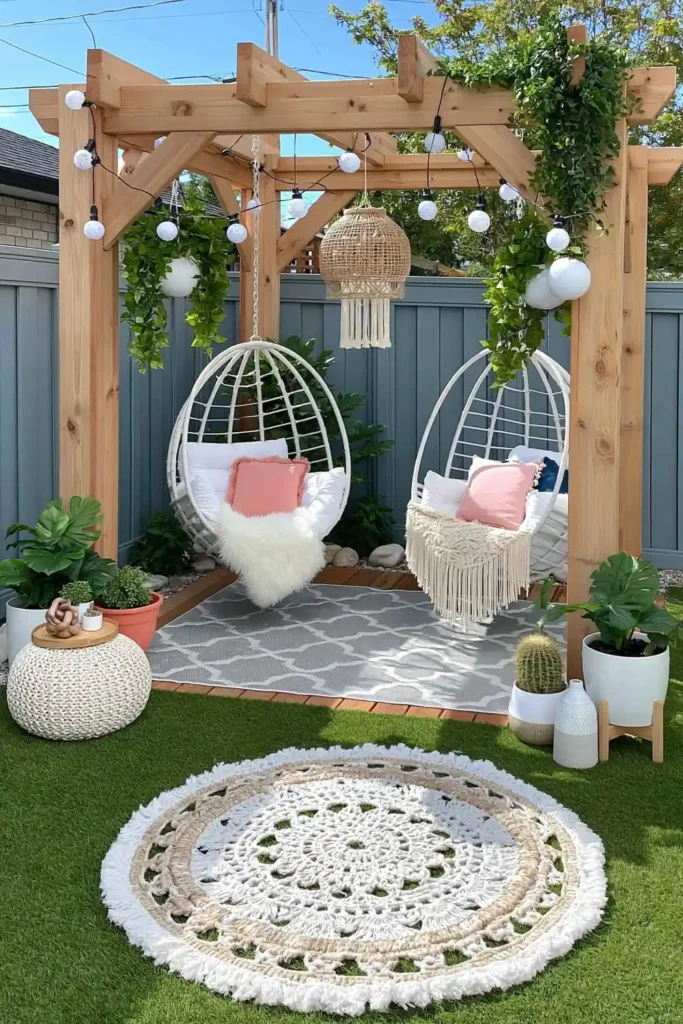
Pergola and Swing for a Relaxed Garden Corner
A pergola with a swing can turn a garden corner into a place people actually want to sit. The pergola gives the area structure, while the swing adds a relaxed feeling that suits outdoor spaces well.
This idea works best when the pergola feels connected to the rest of the yard. It can sit near planting beds, along a path, or in a calm corner with enough open space around the swing. The structure gives a clear shape overhead, which helps the area feel like an outdoor room instead of merely a seat placed in the garden.
If I were styling this, I would keep the swing comfortable but not overdone. A simple cushion, one or two pillows, and nearby plants would be enough. The movement of the swing already makes the space feel inviting, so the decor can stay calm and natural.
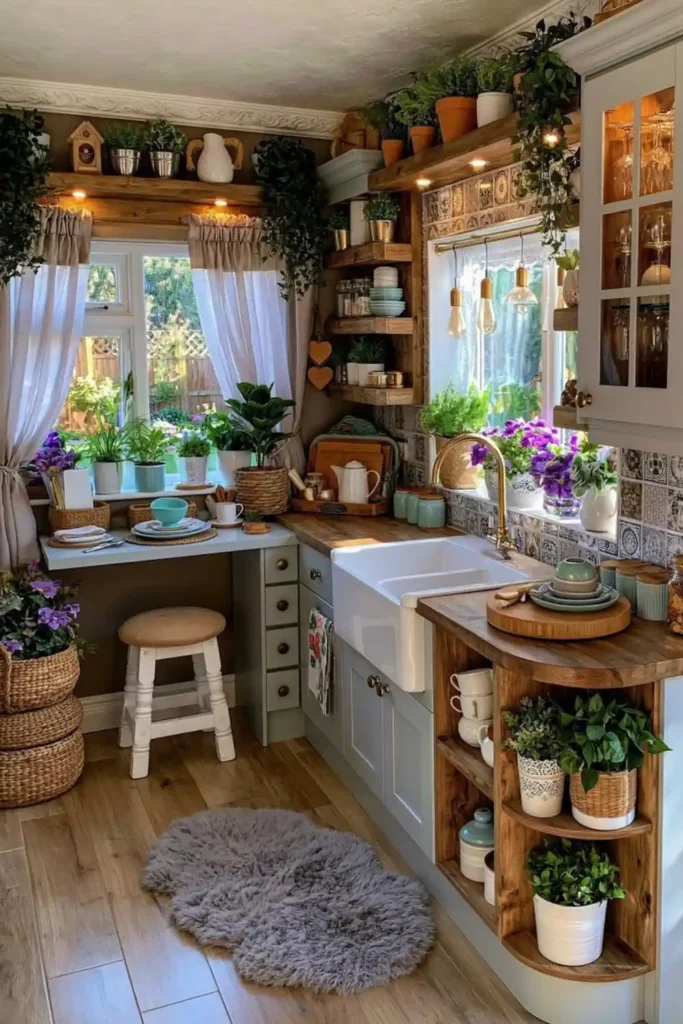
Farmhouse Kitchen Decor for a Comfortable Everyday Space
Farmhouse kitchen decor works because it appears practical and welcoming at the same time. It usually brings together simple finishes, useful storage, and pieces that look like they belong in a kitchen that gets used every day.
This style does not need to feel overly themed. A farmhouse kitchen can include warm wood, simple cabinet details, open shelves, classic hardware, or a solid table nearby. The goal is comfort and function, not filling the room with signs or too many decorative objects.
For a real kitchen, I would focus on the pieces you touch and see most often. Choose useful items that also look good, like bowls, cutting boards, jars, or baskets. Keeping everyday pieces visible can make the kitchen feel warmer while still helping with storage and routine.
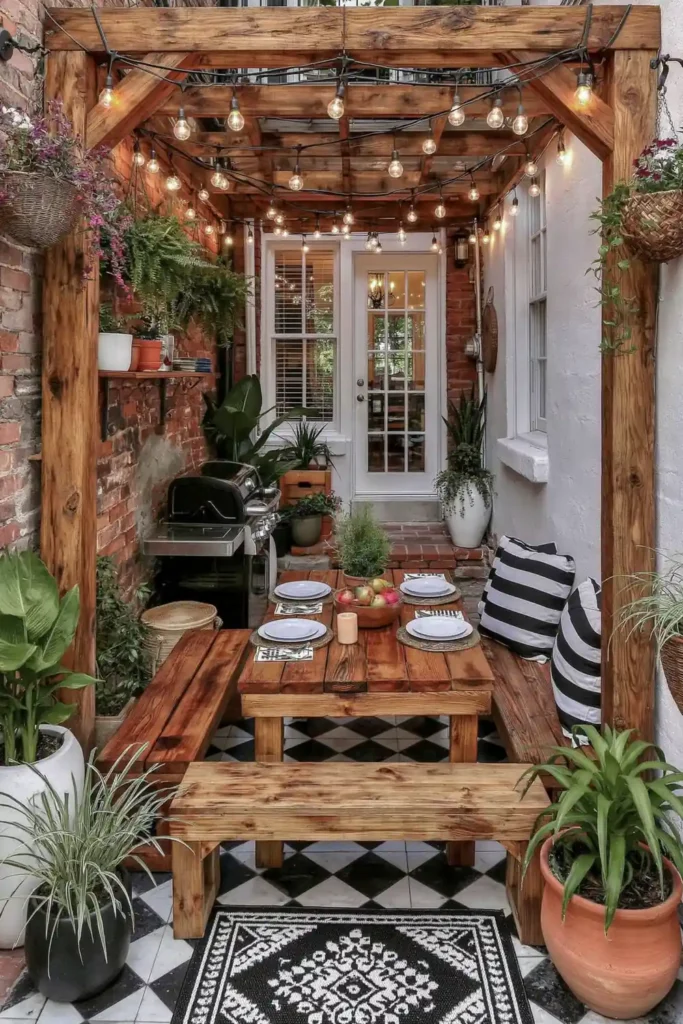
Two Table Groupings for Better Living and Dining Flow
Two table groupings can help a shared living and dining space seem more organized. Instead of one table trying to serve every purpose, each grouping can support a different activity, such as eating, working, coffee, games, or conversation.
This idea works especially well in open spaces. A dining table can define one zone, while a smaller table near seating can create a separate area for relaxing. The two groupings should not compete with each other, so scale and spacing are important.
In a practical layout, I would leave clear walking paths between the tables. Rugs, lighting, or chair placement can help separate the zones without needing walls. When each table has a purpose, the room feels easier to use and less like furniture was placed randomly.
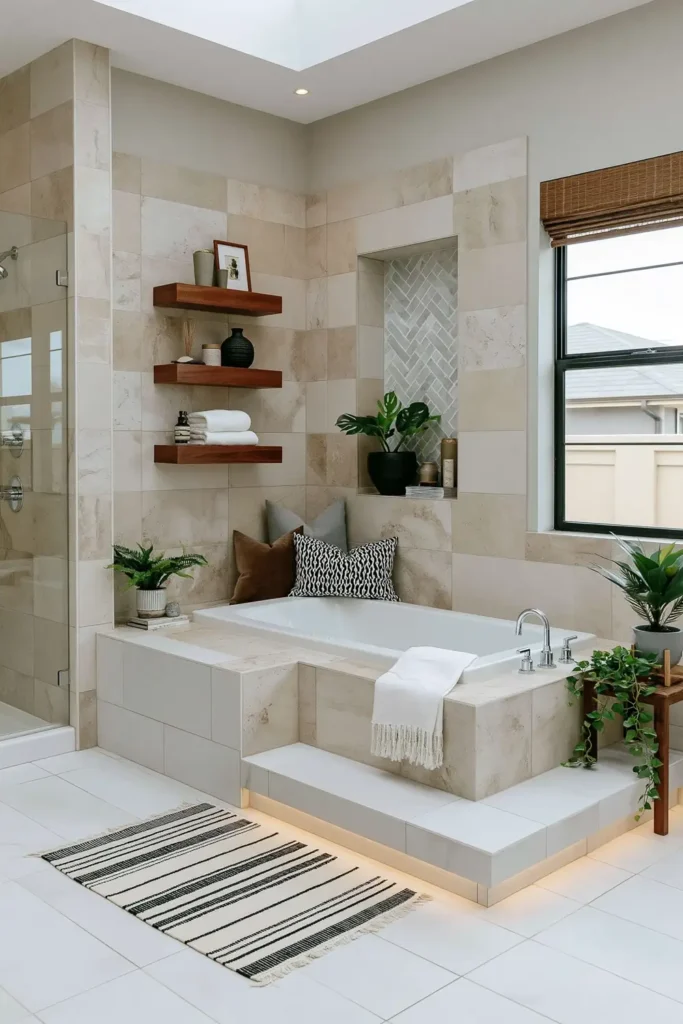
Bathtub as a Simple Bathroom Focal Point
A bathtub can become the quiet focal point of a bathroom, even without dramatic decor. Its shape, placement, and surrounding finishes can make the room feel calmer and more intentional.
The area around the tub matters as much as the tub itself. A simple ledge, soft towel, small stool, or nearby bath products can make the space feel useful without cluttering it. If the bathroom has natural light, the bathtub area can feel especially peaceful with very little added.
For a realistic makeover, I would keep the tub area clean and easy to maintain. Avoid placing too many objects around the edge, because they can quickly make the room feel messy. One useful accent, like a bath tray or small table nearby, can be enough.
Privacy Hedge for a Natural Outdoor Boundary
A privacy hedge can make an outdoor space feel more comfortable without using a hard fence. It creates a natural boundary as it adds greenery, texture, and softness to the yard.
This idea works well along property lines, patios, seating areas, or places where the view feels too open. A hedge can block sightlines while still feeling connected to the garden. The type of plant matters because some hedges grow dense and tall, while others stay softer and more informal.
For a practical yard makeover, I would think about maintenance before planting. Choose a hedge that fits the amount of trimming you are willing to do. A well-placed hedge can make a patio feel private, but it should not turn into a constant chore or crowd the walkway.
Food and Fire Setup for Outdoor Hosting
A food and fire setup makes outdoor hosting feel easier because it brings two natural gathering points together. People like to stand near food, and they also like to sit near fire, so placing these areas close together can help the space feel social.
The layout should keep everything comfortable and safe. Drinks and serving pieces need a sturdy surface, while seating should stay far enough from the fire for people to move around easily. A side table, outdoor cart, or simple serving station can make the area more useful.
If I were setting this up, I would keep the food area slightly to the side instead of directly in front of the fire. That way, people can serve themselves without blocking the seating. A few lights nearby can also help the setup work better after sunset.
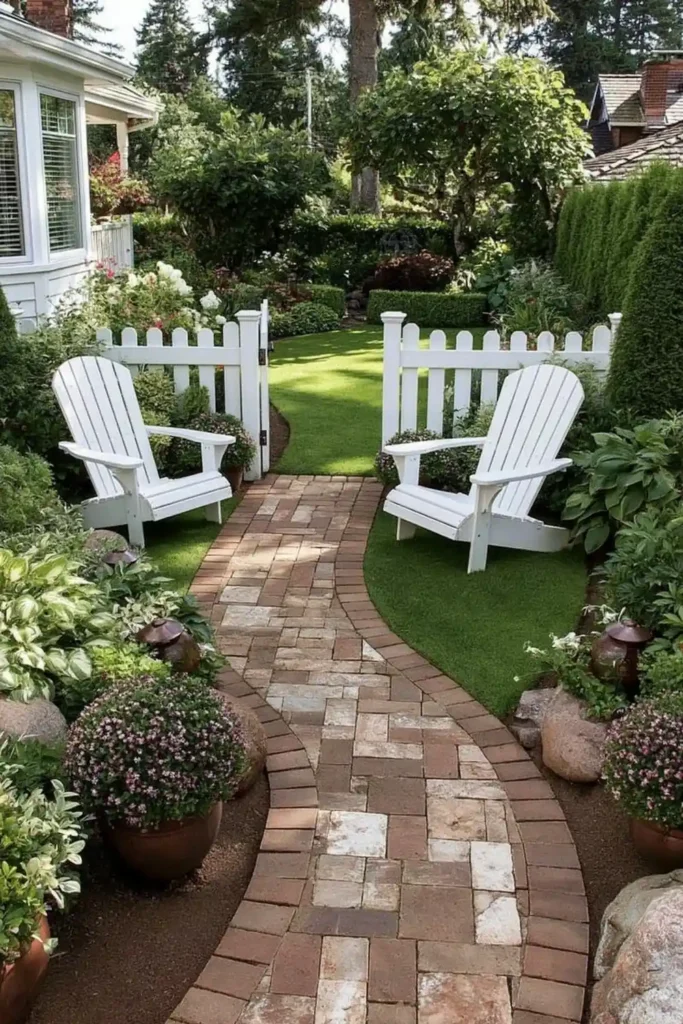
Simple Bench Placement for Everyday Function
A simple bench can be one of the most useful pieces in a home or yard. It gives people a place to pause, put on shoes, set down a bag, or enjoy a quiet view without taking up as much space as multiple chairs.
Bench placement is what makes this idea work. A bench near an entry appears practical. A bench along a garden path appears restful. A bench at the foot of a bed can help with daily routines. The same piece can feel completely different depending on where it sits.
For a real makeover, I would place the bench where there is already a natural pause in movement. Avoid putting it somewhere people have to squeeze past. Add a cushion, basket, or nearby plant only if it supports the way the bench will actually be used.
Water Lily Planters With Lined Containers
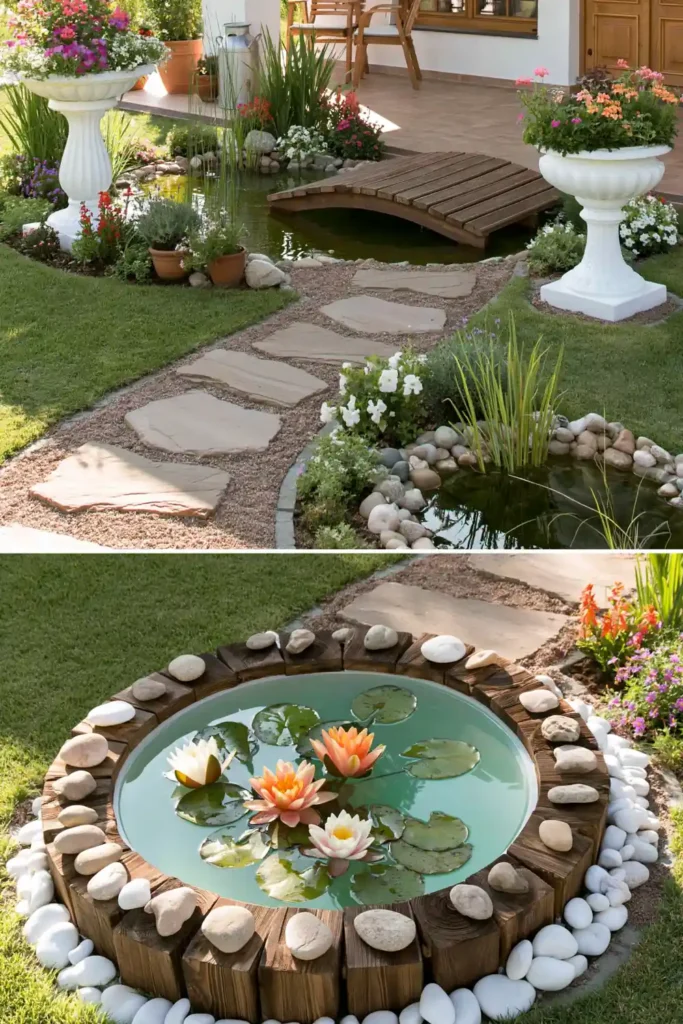
Water lily planters can bring a quiet water-garden feeling to a yard without needing a full pond. Small planters lined properly can hold water and create a contained spot for lilies to grow.
The liner is important because it keeps the water in place and protects the container. A plastic garbage bag can work as a basic liner when used carefully, especially for a small setup. The planter itself should be sturdy enough to hold the load of water, soil, and plants.
For a simple outdoor project, I would place water lily planters where they can be seen easily but not knocked over. A patio corner, garden edge, or sunny yard spot can work well. Keep the surrounding area simple so the water and leaves become the main focus.
Inflatable Hot Tub With Foamy Decorative Bubbles
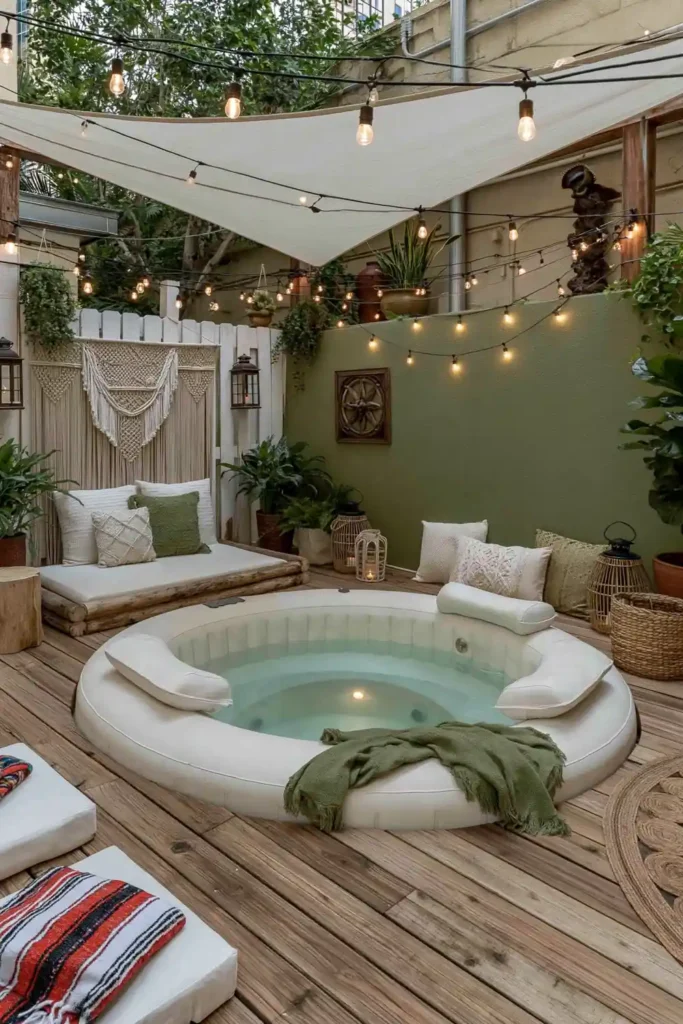
An inflatable hot tub can make an outdoor space feel more relaxing without the cost or construction of a built-in spa. It is a flexible option for yards, patios, or temporary setups where a permanent hot tub may not make sense.
The decorative foamy bubbles add a lively look, almost like a smooth iceberg effect around the water. Because the tub itself is inflatable, the surrounding styling should help it feel more settled. A clean base, nearby towels, and simple outdoor lighting can make the area feel more intentional.
If you use this idea, think about placement first. The surface needs to be level, strong, and close enough to power and water access. Keep the decor simple around it so the space feels relaxing rather than crowded.
Bringing the Makeover Ideas Together
The best home makeovers usually come from a mix of useful details and personal choices. A color palette can help rooms feel connected, lighting can make evenings more comfortable, and small ideas like a bench, plant display, or meaningful collection can make a space feel more like yours.
You do not have to use every idea at once. Pick the ones that solve a real problem in your home or make a space feel warmer when you walk into it. Small updates commonly lead to bigger clarity because you start noticing what your home actually needs.
A more personal home is built slowly. When each choice supports the way you live, the makeover feels not as much like a project and more like a home, becoming easier to enjoy.