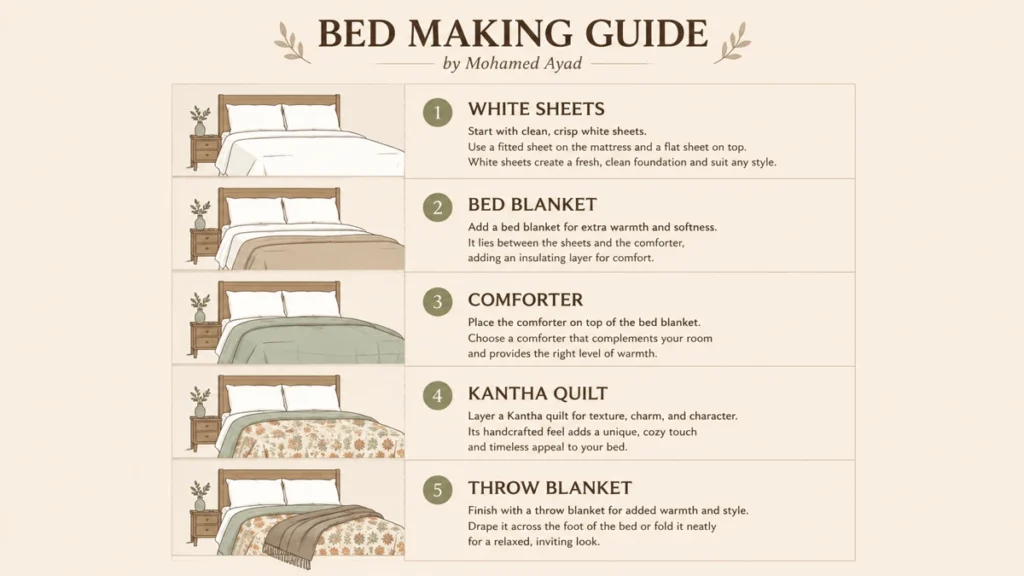


A well-layered bed always makes a bedroom feel more considered, even when the rest of the room is simple. I like it because it does not depend on expensive furniture or a full room makeover. Most of the effect comes from how the sheets, blanket, duvet, quilt, pillows, and throw are arranged together. If you’re new to layering, a basic starter set is all you need to begin: start with a fitted sheet, a flat sheet, two sleeping pillows, a lightweight blanket, a duvet or comforter with a cover, and a throw blanket. With these simple essentials, you can easily build up more layers over time to create your own polished look.
Designer bed layering and styling is really about building comfort in a way that looks intentional. The bed should feel soft and usable, not excessively arranged or untouchable. Cream linens, textured blankets, patterned quilts, and folded throws can all work together when each layer has a clear purpose.
Below are a few practical ways to style a bed so it feels finished, relaxed, and easy to live with.
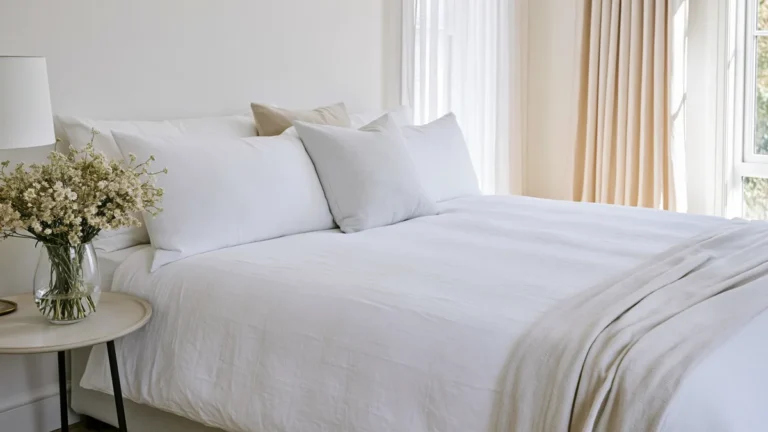
Designer Layered Bed with Cream Linen and Textured Blankets
A designer layered bed often starts with a calm base, and white or cream sheets are one of the easiest ways to create that. They make the bed feel clean and fresh without pulling attention away from the other layers. When the main bedding holds neutral, the textures become more noticeable.
I would start with cotton or linen sheets, then add a lightweight, textured blanket over them. This layer gives the bed some depth before the duvet goes on. For quality cotton, look for percale or sateen finishes from reputable brands or department stores, while European flax linen is especially long-lasting and soft over time. Popular choices for linen bedding include brands like Brooklinen, Parachute, or local home goods stores. For blankets, consider waffle weave cotton, brushed wool, or a textured chenille throw for added visual interest. A cream linen duvet cover works especially well because it has a relaxed texture that does not need to look perfectly smooth. Small wrinkles actually make it feel softer and more natural.
For a practical setup, keep the sleeping pillows simple and neatly placed at the head of the bed. Then let the duvet sit slightly loose instead of pulling it tight like a hotel bed. That small, relaxed detail makes the whole bed feel comfortable while still looking styled.

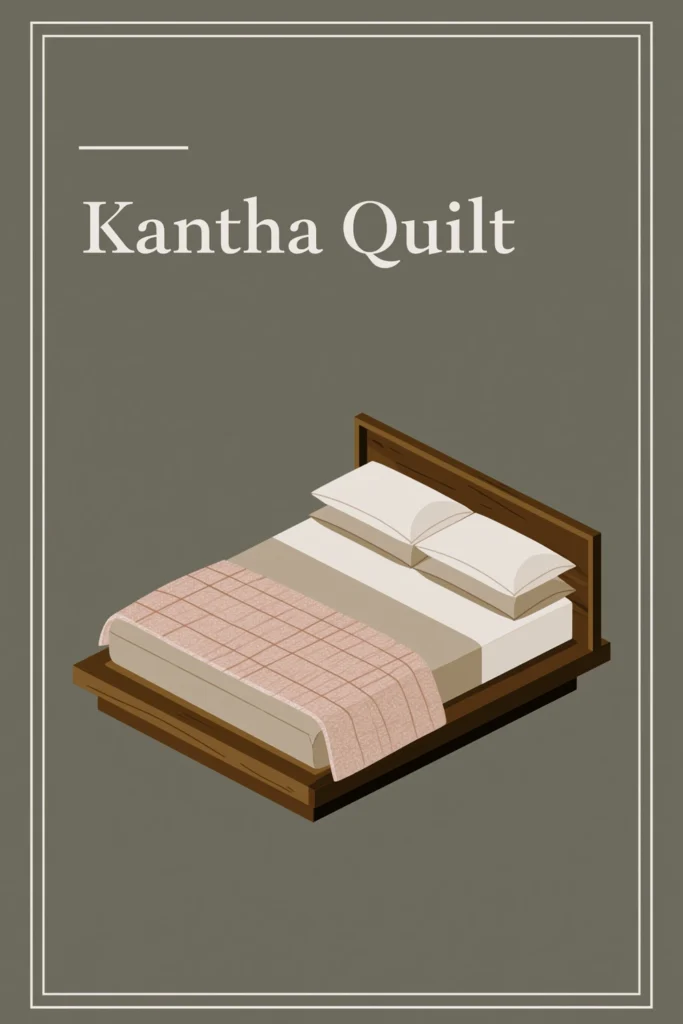
Patterned Kantha Quilt for a Collected Designer Bed Look
A patterned Kantha quilt is a good choice when the bed needs more character. Since the base layers are usually white, cream, or linen, the quilt can bring in a pattern without making the room feel too busy. It also adds a handmade, collected feeling that works nicely in a lived-in bedroom.
The key is to treat the quilt as a visible accent layer rather than covering the entire bed in pattern. It can be spread across the middle or lower part of the bed, depending on how much color or detail you want to show. To easily style the quilt, start by laying out your sheets and duvet so the bed is neat and smooth.
Next, unfold the Kantha quilt and lay it flat across the bed so that it covers about the bottom third or half of the mattress, depending on your preference. Adjust it so the pattern is visible and runs straight across the bed. If you prefer a relaxed look, you can drape the quilt at an angle or ripple the fabric slightly so it feels informal yet still tidy. Make sure some of the plain duvet and sheets show above the quilt. The patchwork fabric gives the bed movement, especially when paired with plain sheets and a simple duvet.
If the quilt has a lot of color, I would keep the throw blanket and pillows quieter. A cream duvet, white sleeping pillows, and one patterned quilt are usually enough. This prevents the bed from feeling cluttered while still giving it that designer bed layering and styling detail that feels customized.
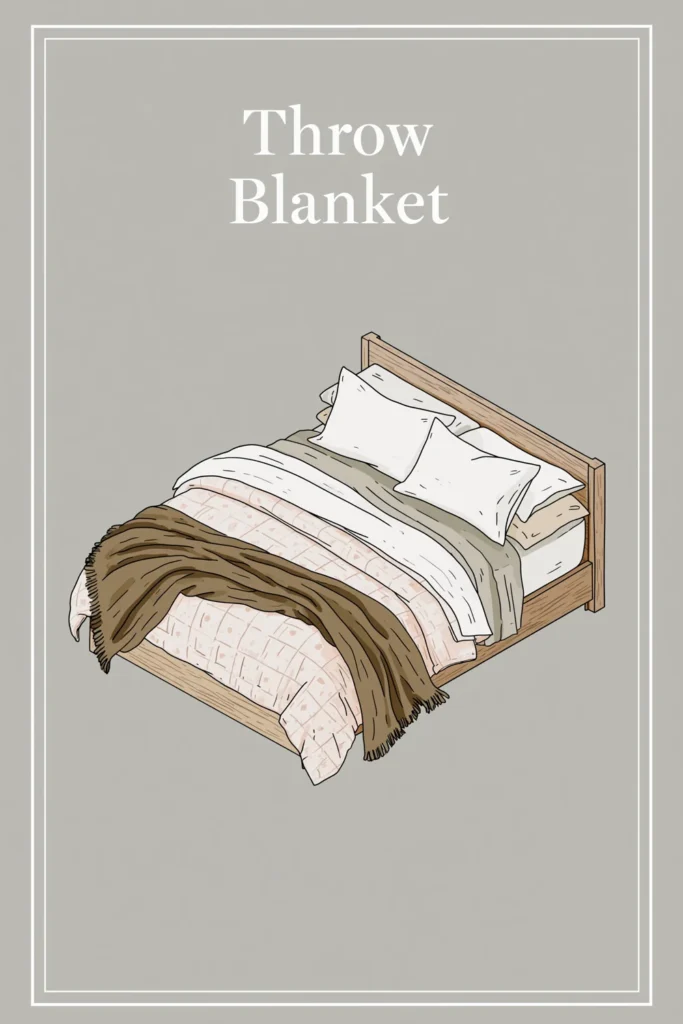
Decorative Throw Blanket Styled at the Foot of the Bed
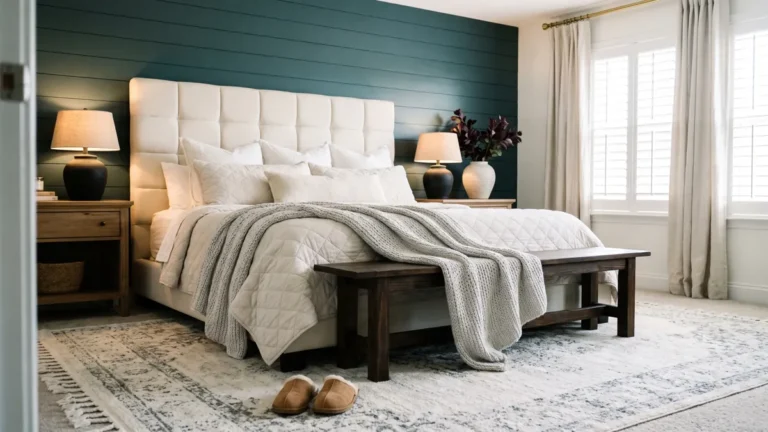
A throw blanket at the foot of the bed is one of those small details that can make the whole bed feel finished. It works because it gives the eye a clear ending point. Without it, a layered bed can sometimes look like the bedding simply stops.
The throw can be rippled casually or folded tidily, depending on the feeling you want. A neatly folded throw looks cleaner and more structured, while a softly rippled throw feels more relaxed. Either way, it should sit across the foot of the bed and connect with the other textures already in the bedding.
I like using a throw that has a slightly different texture from the duvet or blanket underneath it. For example, if the duvet is soft linen, the throw could have a heavier weave or subtle texture. Some good options to consider are chunky knit throws for a comfortable look, faux fur for extra softness, or waffle weave and boucle for added interest. It does not need to be bold. Even a quiet cream or neutral throw can make the bed feel more layered when the fabric has enough texture.
Simple Designer Bed Layering and Styling Without a Quilt
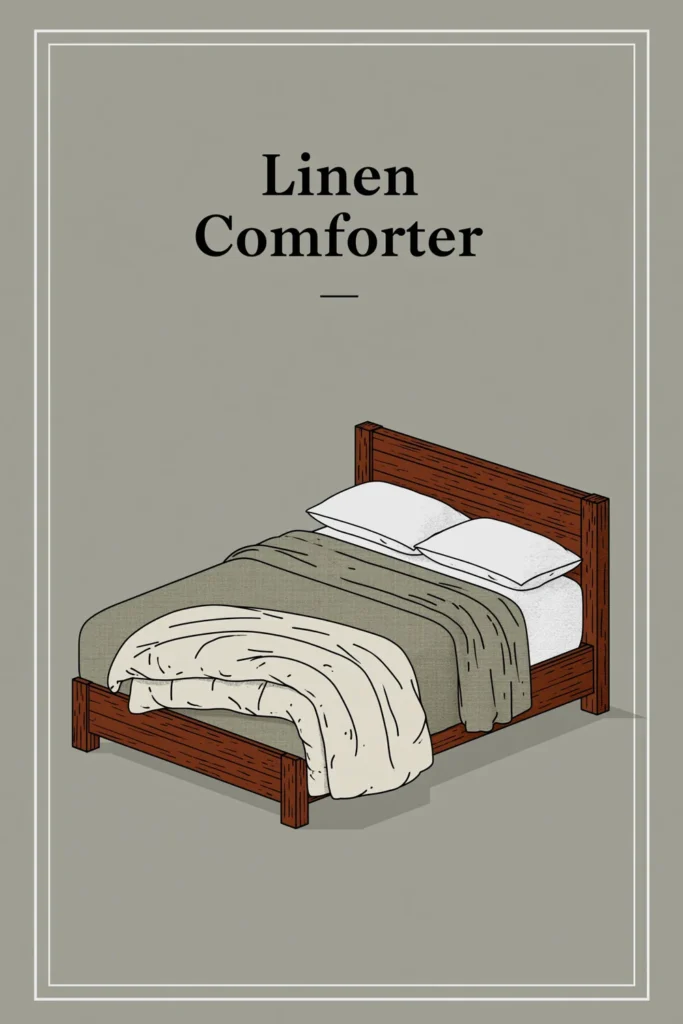
Not every bed needs a quilt to look complete. A simpler layered bed can still feel polished with sheets, a textured blanket, a duvet, and a throw at the foot. This approach works especially well if you prefer a calmer bedroom or do not want too much pattern.
Start with white or cream sheets, then add a lightweight, textured bed blanket. Over that, place a cream linen duvet insert and cover. The duvet becomes the main soft layer, while the blanket underneath adds quiet detail. This is a good everyday setup because it feels styled but is not difficult to remake in the morning.
To finish the look, place a decorative throw blanket at the foot of the bed. Keep the colors close together if you want a softer designer look. Cream, white, oatmeal, and warm beige can all blend together nicely. If you prefer a cooler palette, try layering pale gray, soft blue, and crisp white for a calming effect.
For an earthier mood, mix warm taupe, muted olive, and clay tones with neutrals like ivory. Pairing shades within the same color family or gently contrasting tones makes it easier to confidently mix and match bedding colors while keeping the result simple, practical, and still thoughtful enough to make the bedroom feel pulled together.
Bright Patterned Sheets for a Cheerful Kid’s Bed
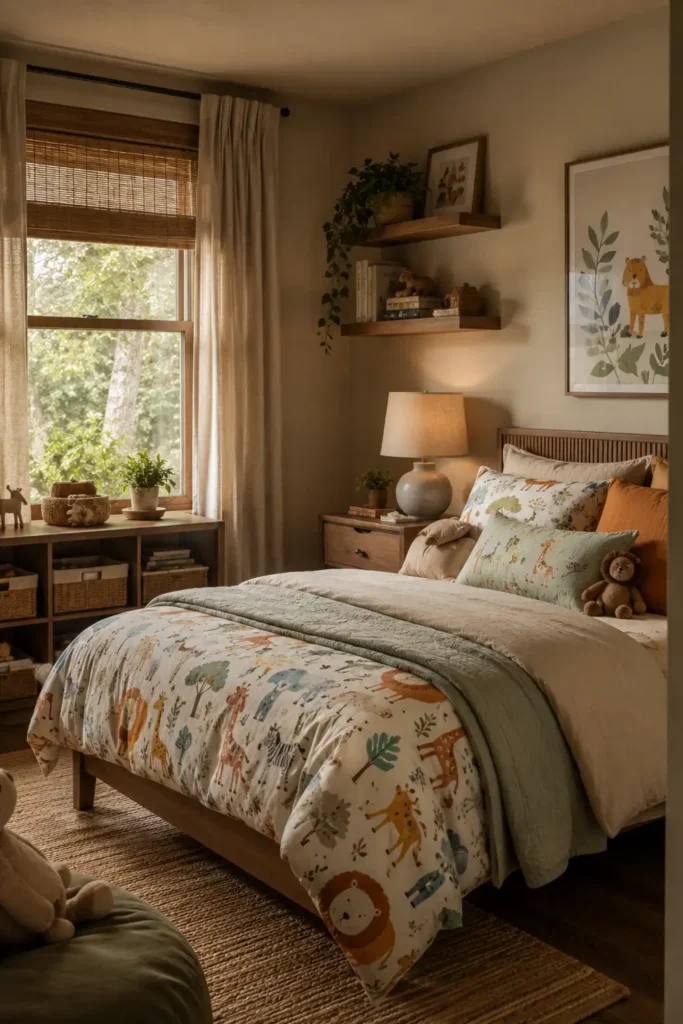
A kid’s bed can be layered in a much simpler way, especially when the sheets already bring in a pattern or bright color. Unlike an adult bedroom, where the bedding might rely more on texture and quiet tones, a child’s bed can handle more playful prints. Patterned sheets give the bed personality right away.
The sheets can be the main decorative feature, so the rest of the bedding does not need to compete. If the sheets are colorful, I would keep any extra layers softer and easier on the eye. This helps the bed feel cheerful without turning the whole room into a mix of too many colors and patterns.
For a realistic everyday setup, choose sheets that the child actually enjoys and keep the styling easy to maintain. A neatly pulled-up blanket or simple duvet over patterned sheets is enough. The goal is a bed that feels fun, comfortable, and still tidy enough for the room to look cared for.
Making the Bed Feel Finished Without Overstyling
The best part of designer bed layering and styling is that it can be adjusted to fit how you actually live. Some bedrooms look better with a full set of layers, including a quilt and throw. Others feel calmer with just sheets, a textured blanket, a duvet, and one soft fold at the foot of the bed.
What matters most is that each layer seems intentional. Cream sheets can create a clean base, linen can bring softness, a Kantha quilt can add pattern, and a throw blanket can finish the bed without making it feel excessively formal. Even a kid’s bed with bright sheets can feel styled when the rest of the bedding is kept simple.
I always think a bed should look inviting, not complicated. Start with the layers you already have, adjust the patterns and shades, and keep the arrangement easy enough to repeat. That is usually where the most comfortable and natural-looking bedroom style comes from.
If you have pets or young kids, or just busy mornings, a perfectly styled bed might not always feel realistic. To keep your bed looking good in real life, try these useful tips:
– Choose machine-washable bedding so you can clean up spills or pet hair easily.
– Opt for darker covers or pattern-rich throws at the foot of the bed if pets like to jump up there, since these hide marks and fur better.
– Use layers that only take a minute to arrange, such as a loosely folded throw or a large quilt that covers wrinkles underneath.
– Tuck extra pillows or decorative cushions in a basket nearby for quick resets when you want to tidy up.
– In kids’ rooms, pick sheets and blankets in colors and patterns that disguise little messes and stand up to frequent washing.
Remember, a stylish bed does not need to be perfect every day. Even quick adjustments and easy-to-care-for layers can help your bedroom feel finished and welcoming without much effort.