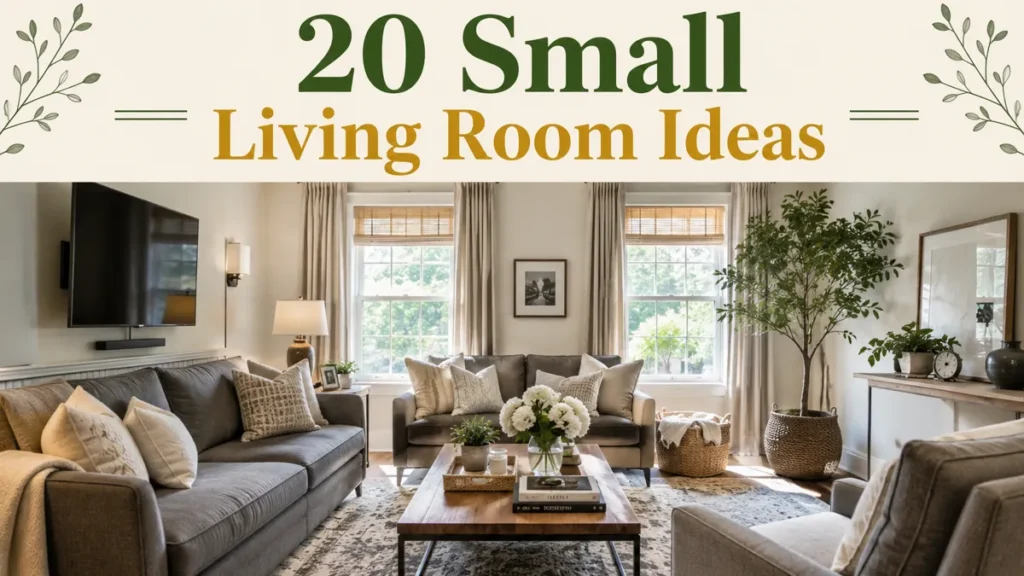

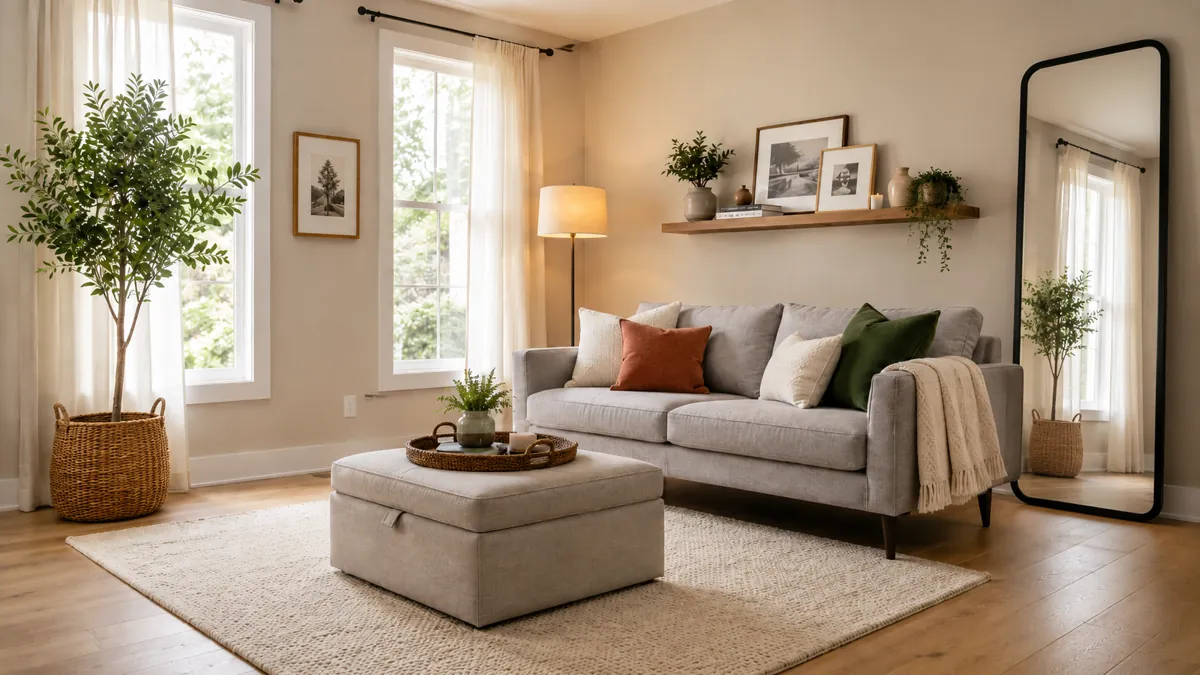
A small living room can feel comfortable without becoming crowded. The key is choosing pieces and layouts that make the room easier to move through while still giving it warmth, personality, and enough softness to feel inviting.
These comfortable living room ideas for small spaces concentrate on practical changes you can actually use, from reflecting more daylight to choosing furniture that serves more than one purpose. Even a narrow or awkward room can feel balanced when every item has a clear role.
Mirrors That Reflect Light and Make a Small Living Room Feel Larger
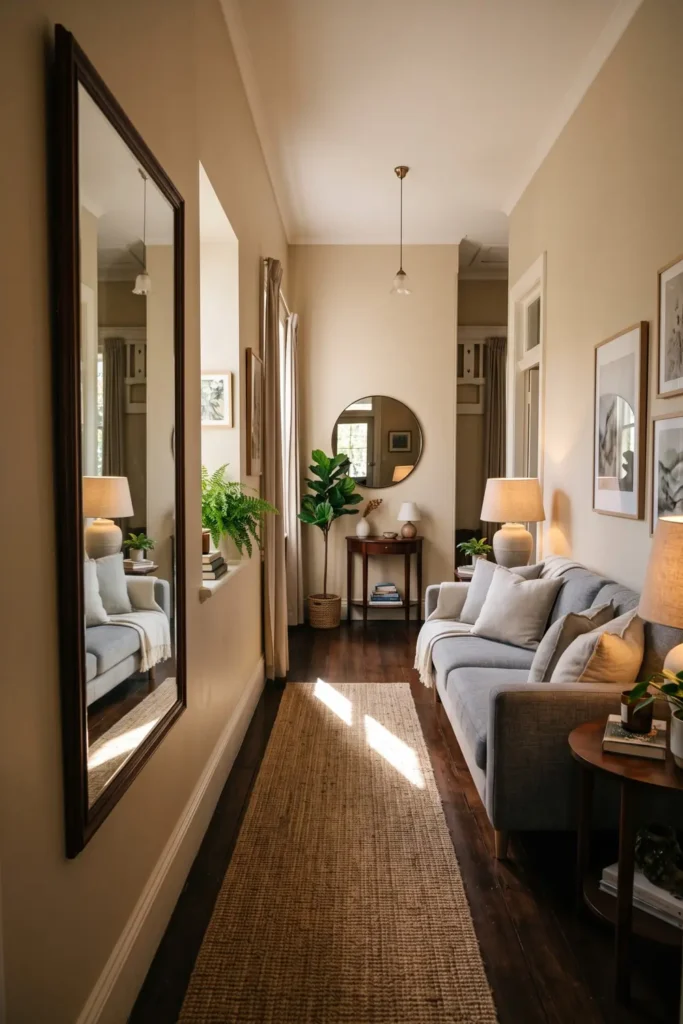
Mirrors are especially useful in a compact living room because they spread light around the room without taking up valuable floor space. A large mirror placed opposite a window can reflect daylight into dimmer corners, while a mirror positioned perpendicular to the window can brighten the room without creating too much glare.
The frame matters as much as the mirror itself. A slim metal frame keeps the look light and simple, while a warm wood frame adds texture and makes the space feel more relaxed. In a very narrow room, one tall mirror can also draw the look upward and make the wall feel less confined.
Try placing a mirror above a console table or behind a small lamp. The reflected light will make the room feel softer in the evening, and the surface below gives you a practical place for a vase, books, or a small decorative object.
Conversational Furniture Layouts That Keep the Room Open
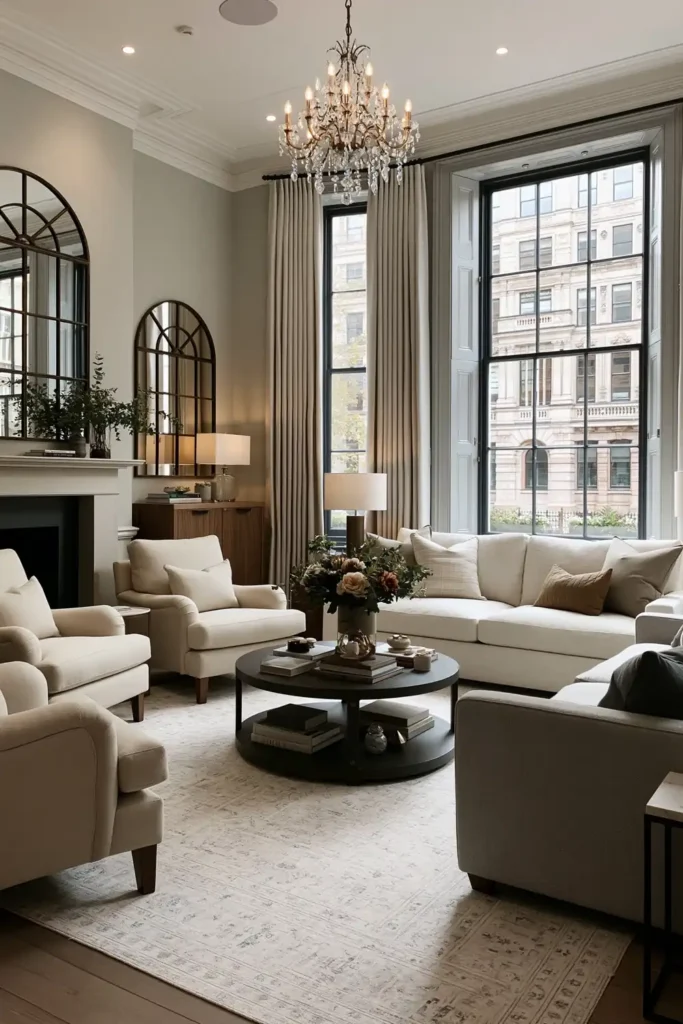
Pushing every piece of furniture against the walls can sometimes make a small living room feel more like a waiting area than a comfortable place to sit. A better approach is to arrange the sofa and chairs so they face one another, creating a compact conversational zone with clear walking paths around it.
Even moving a sofa a few inches away from the wall can make the layout feel more intentional. A small armchair angled toward the sofa often works better than placing it flat against another wall. This arrangement gives the room a natural center and helps the furniture feel connected rather than scattered.
Before moving anything, notice where people enter and cross the room. Keep that route open, then position the seating around a rug or coffee table. In a very tight space, one sofa and a lightweight chair may be enough to form a cozy grouping without blocking movement.
Multiuse Furniture with Hidden Storage and Extra Uses
Furniture that performs more than one job is one of the most useful choices for a small living room. A storage ottoman can hold blankets while likewise serving as a coffee table or extra seat. A sofa bed gives guests a place to sleep without requiring a separate room, and a coffee table with drawers can keep remotes, chargers, and small items out of sight.
Look for pieces that suit the way you actually use the room. An ottoman with a firm, flat top is more practical for drinks and trays, while a softer upholstered version works well as a footrest. A lift-top coffee table can also create a temporary work or dining surface when needed.
The goal is not to fill the room with clever furniture, but to reduce the number of separate pieces. One well-chosen item that handles storage, seating, and surface space can make the room feel calmer and easier to manage.
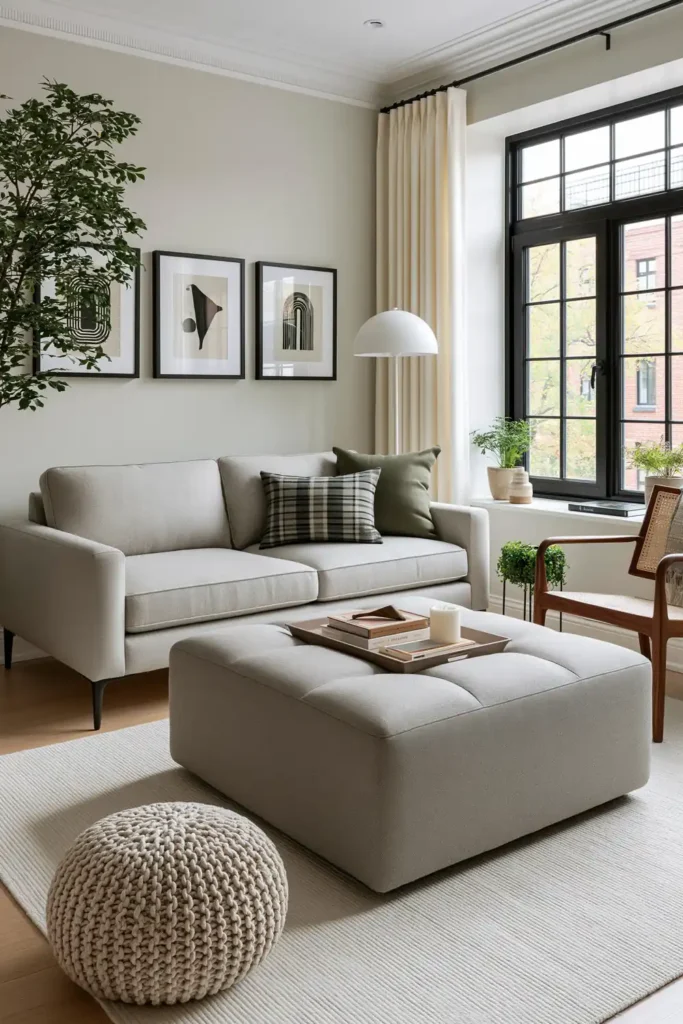
Floor-to-Ceiling Decor That Draws the Sight Upward
Vertical decor helps a small living room feel taller by guiding attention above eye level. Floor-to-ceiling shelves, high-hung curtains, tall vases, and narrow sculptures all make better use of the wall space while leaving more of the floor open.
Curtains are one of the easiest places to use this idea. Hang the rod closer to the ceiling and extend it slightly beyond the window frame. This makes the window appear larger and allows the fabric to frame it without covering too much glass. Light drapes also keep the effect airy rather than heavy.
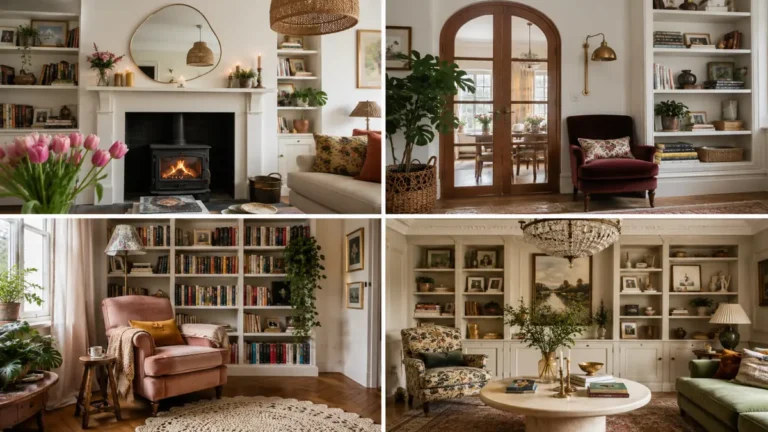
A tall bookcase can create the same upward movement, especially when the shelves are not overcrowded. Leave some open space between books and decorative objects so the unit does not feel bulky. In an empty corner, a slim vase or tall sculptural piece can add height without taking over the room.
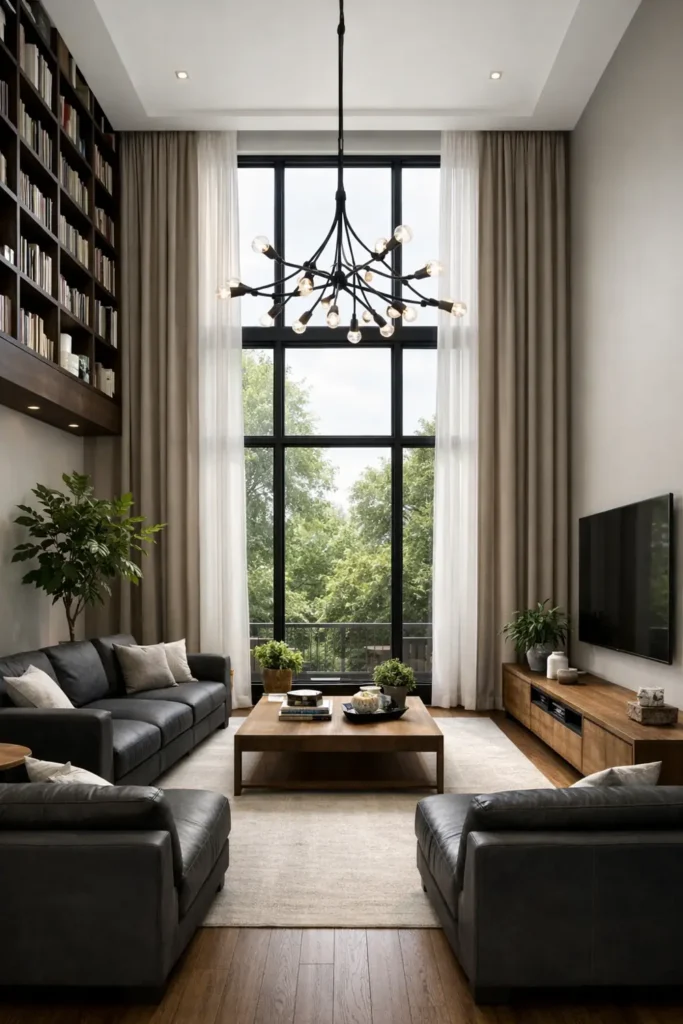
Legged Furniture That Preserves Visible Floor Space
Furniture raised on visible legs can make a small living room feel less crowded because more of the floor remains in view. Sofas, chairs, side tables, and cabinets with slim legs create small pockets of open space underneath, which helps the room appear lighter than it would with solid, boxy bases.
The effect works best when the furniture proportions are modest. A sofa with narrow arms and tapered wood legs usually feels less bulky than an oversized model with a skirted base. The same principle applies to side tables and media units. Pieces with open frames or raised cabinets permit light to pass around them instead of forming heavy blocks along the floor.
You do not need every item to have tall legs. Choose one or two larger pieces with raised bases, then offset them with a low rug and simple coffee table. Keeping the visible floor under those pieces clear will preserve the open look.
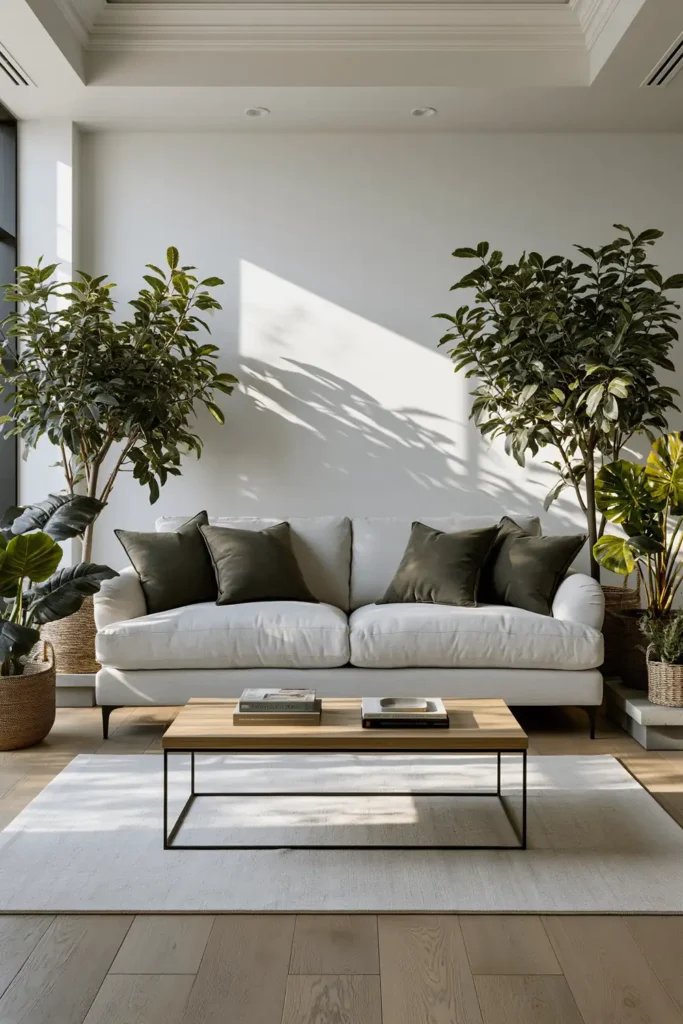
Statement Lighting That Provides Character Without Using Floor Space
A distinctive light fixture can give a small living room a clear focal point without adding another large piece of furniture. A compact chandelier, unusual pendant, or sculptural table lamp brings shape as well as personality into the room while helping the decor feel considered instead of purely functional.
Scale is important in a limited space. A statement fixture should be noticeable, but it should not hang so low that it interrupts sightlines or movement. Slim pendants and open-frame chandeliers tend to feel lighter than dense fixtures. A sculptural lamp on a console or side table can create the same visual interest when ceiling lighting is not practical.
Choose a fixture that suits the room’s existing materials. A soft fabric shade suits a relaxed setting, while glass or metal can add a cleaner edge. Using a warm bulb will keep the light comfortable and prevent the statement piece from making the room feel harsh.
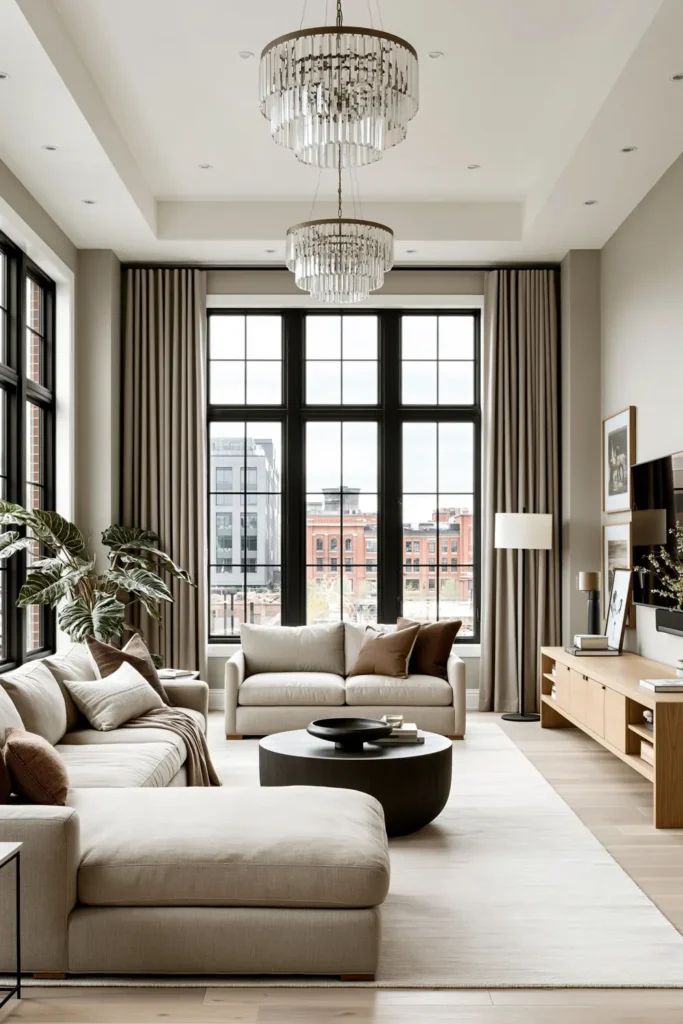
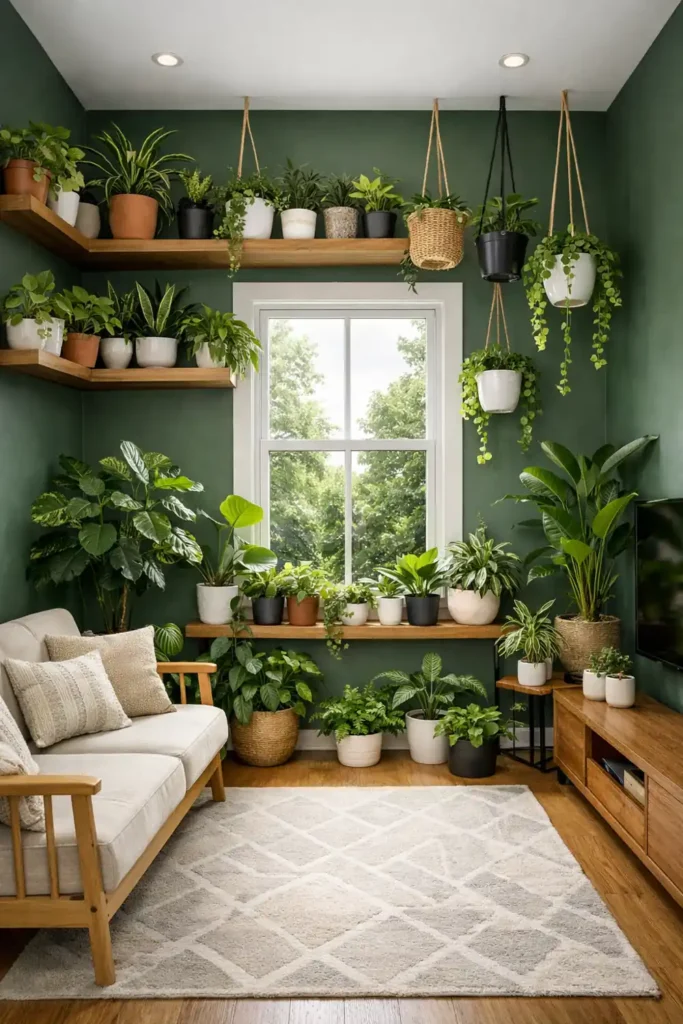
Hanging and Shelf Plants for a Fresh, Comfortable Living Room
Plants bring vibrancy and vitality into a small living room, but they do not always need to occupy the floor. Hanging planters and wall shelves make it possible to add greenery while keeping walkways and corners clear. Trailing spider plants work especially well above shelves, while upright snake bushes can fit into narrow, unused areas.
Think about the shape of the plant as well as its size. Long, arching leaves soften shelves and hard furniture lines, while a tall, narrow plant adds height without spreading too far into the room. Simple pots in similar materials can keep several plants from making the space look busy.
Place plants near the natural light they need rather than filling every available surface. One hanging planter beside a window and a tiny potted plant on a shelf may be enough. Leaving breathing room around each plant makes the greenery feel intentional and easier to maintain.
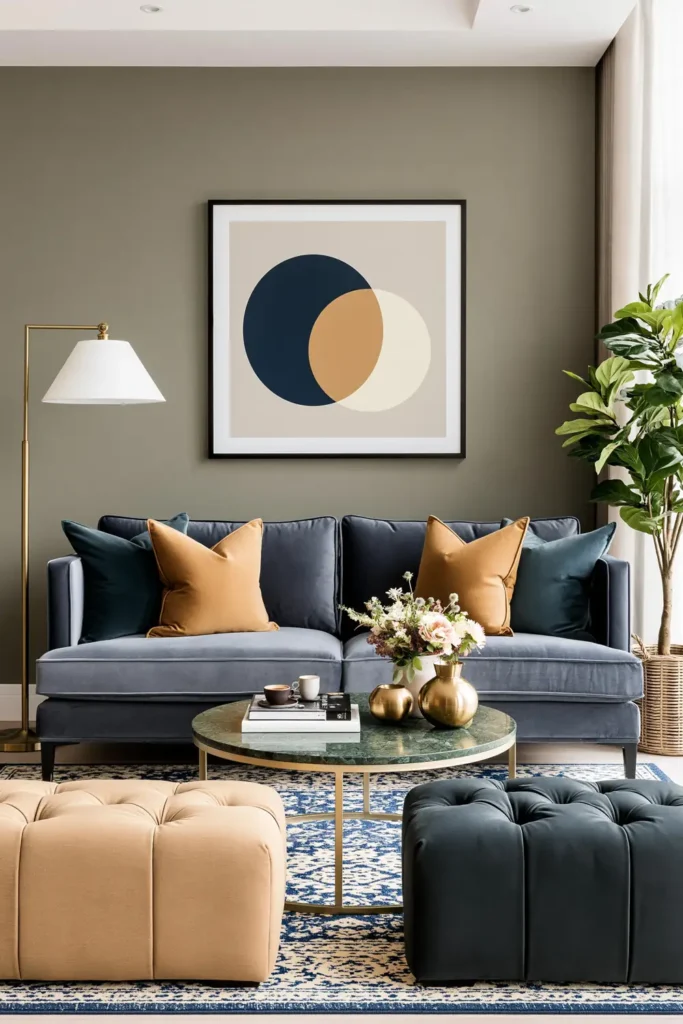
Jewel-Tone Accents for a Bold but Cozy Color Scheme
Rich colors can work beautifully in a small living room when they are introduced with control. Emerald green, navy blue, and mustard yellow give depth and warmth, especially when the room already has a neutral sofa, neutral walls, or simple wood furniture.
Instead of using several strong colors across every surface, choose one dominant jewel tone plus support it with smaller accents. An emerald chair could become the focal point, while navy cushions or a mustard throw add contrast. A single accent wall can also produce a more enclosed, comfortable atmosphere without making the whole room feel dark.
Texture helps bold colors feel softer. Velvet cushions, woven throws, and matte ceramics absorb light differently and prevent the palette from looking flat. Start with removable items such as pillows, blankets, or artwork. This makes it easy to adjust the balance until the room feels colorful but still calm.
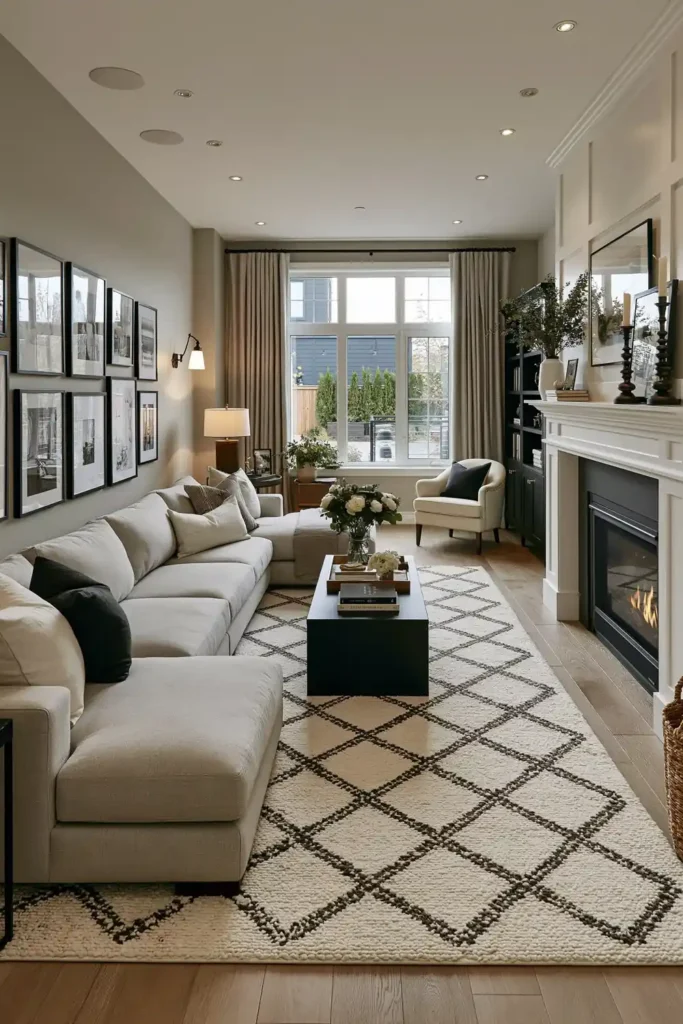
Layered Rugs That Define Seating and Reading Areas
Rugs can give a small living room a clearer structure without adding walls or bulky dividers. A large rug placed beneath the main seating arrangement helps the sofa, chairs, and coffee table read as one connected area. A smaller rug near a chair can mark out a separate reading corner without making the room feel chopped up.
Size and placement matter. The larger rug should sit beneath at least the front legs of the main seating, so it does not look like a small island in the middle of the floor. For a reading nook, choose a smaller rug with a different texture or subtle pattern to distinguish the space while keeping the colors related.
Layering may add warmth when the floor feels bare, but avoid using too many competing designs. A plain woven base rug paired with a softer patterned rug works well. Keeping a little visible flooring around the edges will help the room retain a sense of space.
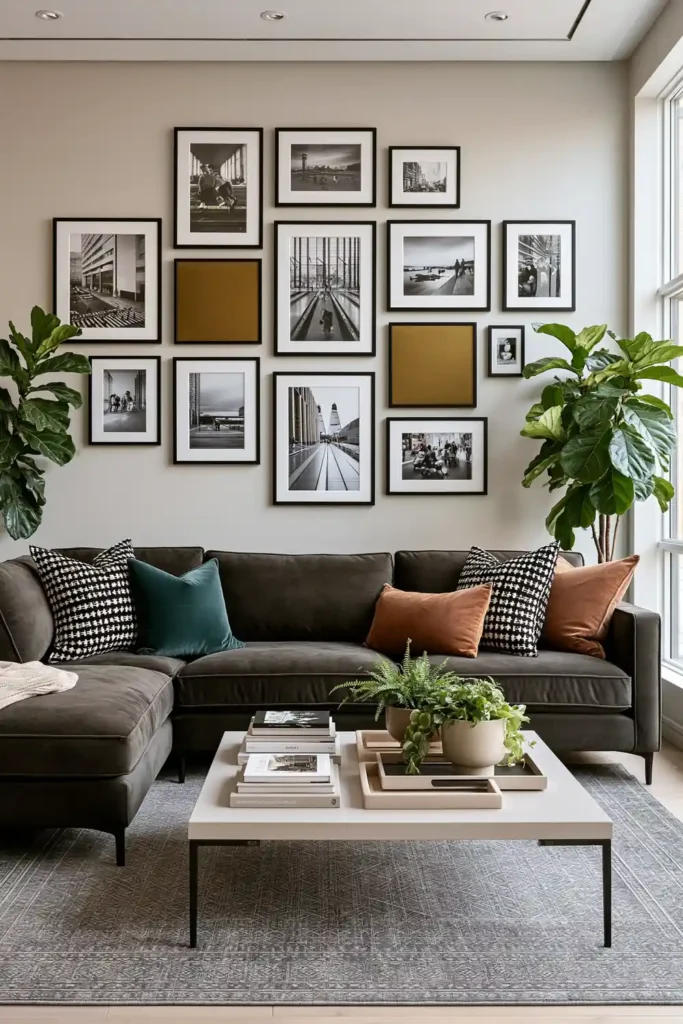
A Mixed-Frame Gallery Wall with Personal Character
A gallery wall lets you bring character to a small living room without using shelves or floor furniture. Assorted picture frames in different shapes, sizes, finishes, and colors can turn a blank wall into a focal point filled with artwork, photographs, and meaningful pieces.
The arrangement feels more balanced when there is one visual connection between the frames. You might repeat the same wood tone, employ similar matting, or keep the artwork within a related color palette. Mixing smooth metal, painted wood, and textured frames adds interest, but leaving even gaps between the pieces prevents the wall from looking chaotic.
Plan the layout on the floor before hanging anything. Start with the largest frame near the center, then arrange the smaller pieces around it. In a compact room, keeping the gallery within the width of the sofa or console below it creates a neat boundary and helps the display feel intentional.
Velvet, Linen, and Cable-Knit Textures for Extra Warmth
Soft fabrics are one of the simplest ways to make a compact living room feel cozier. Velvet adds dimension, linen brings a relaxed, natural texture, and cable-knit fabric delivers a thicker, more familiar layer. Used together on pillows, blankets, and rugs, these materials can warm up a room without requiring extra furniture.
A small space benefits from texture more than clutter. Choose a few noticeable materials rather than covering every surface. A plush cushion on a linen sofa, a cable-knit throw folded over one arm, and a softly woven rug underfoot create contrast while keeping the palette calm.
Vary the textures but repeat one or two colors so the arrangement feels connected. Neutral shades can make the mix subtle, while a single deeper tone adds definition. Keep bulky throws neatly folded or placed in a storage ottoman when they are not in use, so the room continues comfortable without appearing untidy.
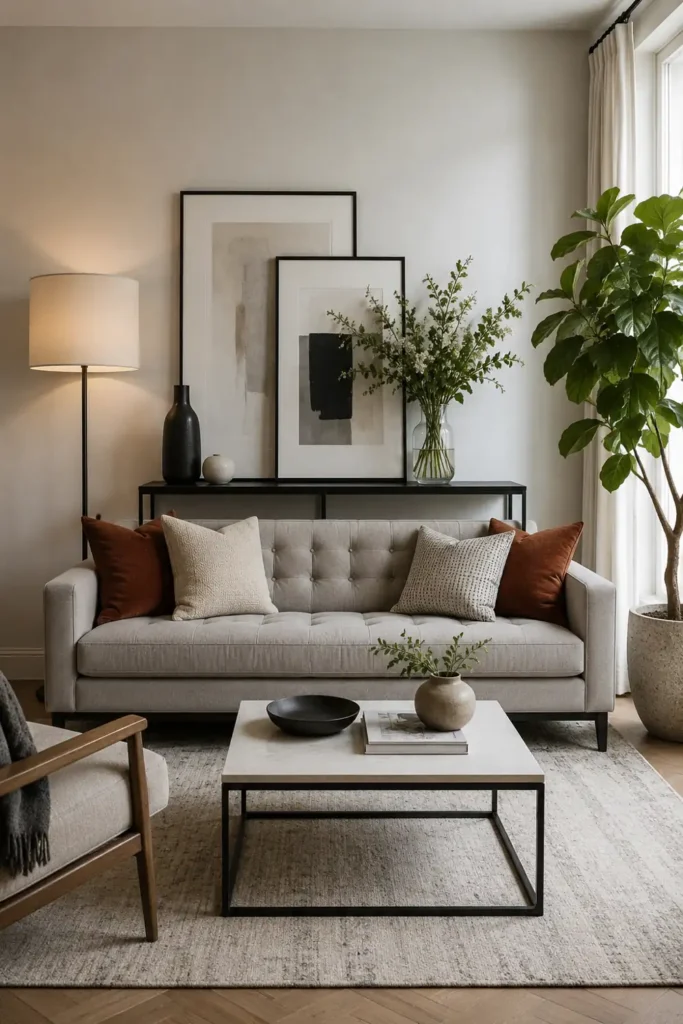
A Slim Console Table Behind the Sofa for Storage and Lighting
A narrow console table can make use of the space behind a sofa without taking up much room. It provides a surface for lighting and decorative objects while also offering drawers or lower shelves for items that would otherwise collect on the coffee table.
Choose a table that is no deeper than necessary and slightly lower than the sofa back. A lamp placed at one end can provide warm evening light, while a vase, a small stack of books, or one decorative object adds interest without crowding the surface. Tables with open legs tend to feel lighter, while drawers are useful for hiding chargers and remotes.
Leave enough room to walk behind the sofa if the layout allows it. When the sofa sits near a wall, a very slim console can fill the gap and create a more finished look. Keeping the arrangement simple will help the table remain useful rather than becoming another cluttered surface.
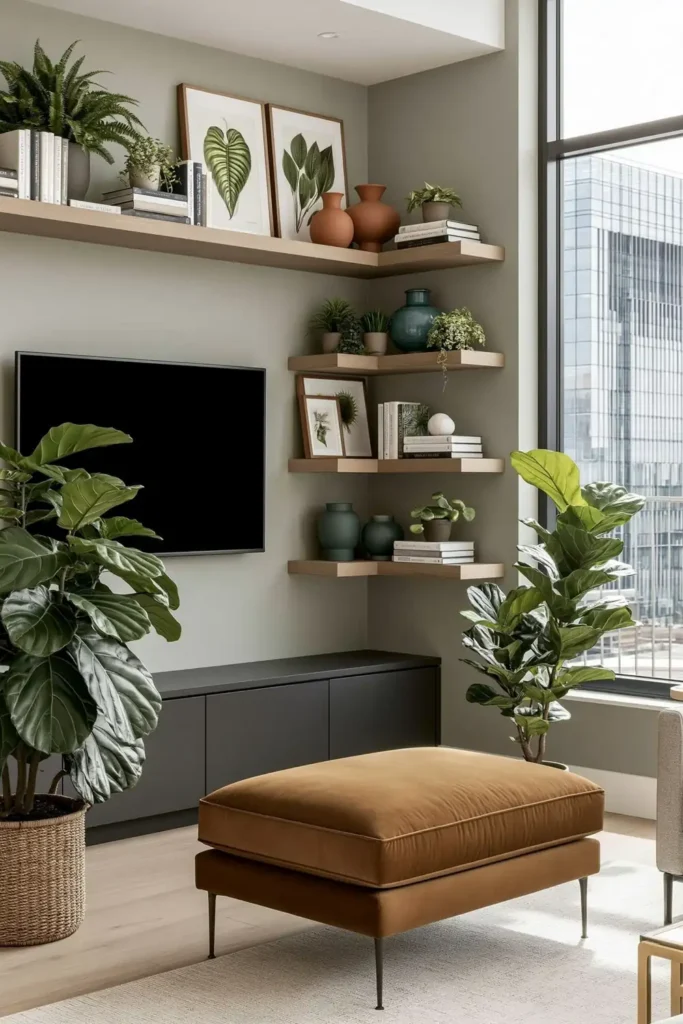
Floating Shelves and Compact Furniture for Empty Corners
Corners often become wasted space in a small living room, but they can be useful without feeling crowded. A floating shelf, narrow corner desk, compact storage unit, or small ottoman can give the area a clear purpose while keeping the center of the room open.
Choose one function for the corner rather than trying to fit several ideas into it. A floating shelf can hold a few books and decorative objects, while a compact desk can create a simple work area. If storage is the priority, a corner unit with closed compartments will hide everyday items and keep the room looking calmer.
Pay attention to scale and height. A tall, narrow piece usually works better than a wide cabinet, and mounted shelves preserve more floor space. Keep the display light by creating gaps between objects. Even one framed print, a small bowl, and a stack of books can make an overlooked corner feel finished.
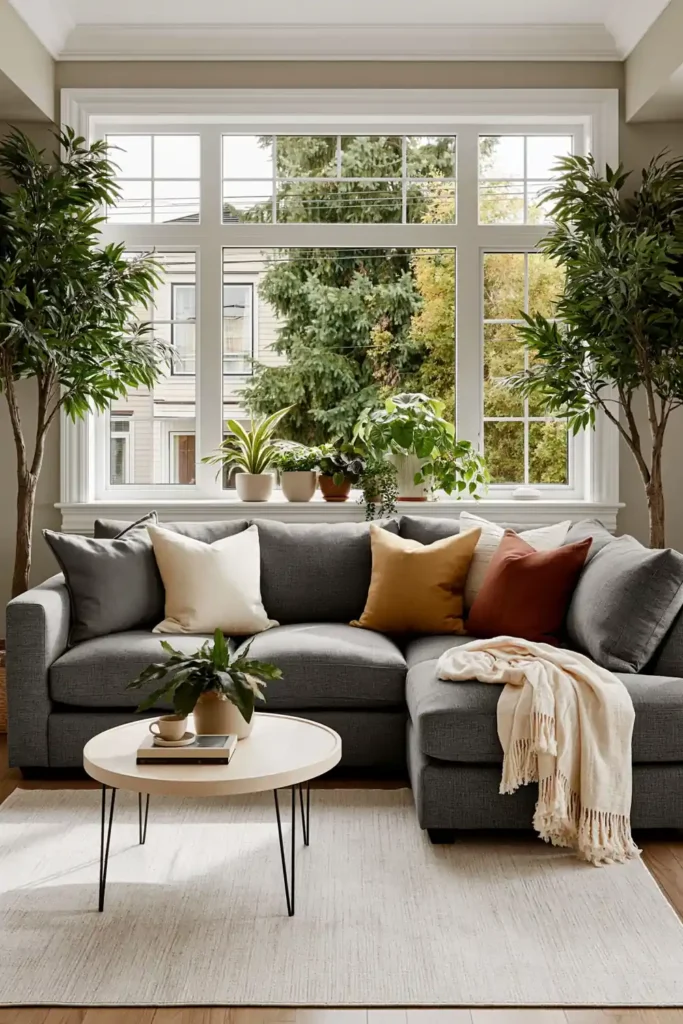
A Small-Scale Sectional with Built-In Storage
A sectional can work in a compact living room when it is designed for smaller proportions. A small-scale modular sofa can provide generous seating while using one corner efficiently, and built-in storage compartments can reduce the need for extra cabinets or baskets.
Look for a sectional with a shallow seat depth, narrow arms, and a low back. These details keep the sofa from overpowering the room. Modular pieces are especially helpful because they can be rearranged when the layout changes. A storage chaise can hold blankets, pillows, or seasonal items while keeping them close at hand.
Measure the room carefully before choosing the sofa, including doorways and walking paths. The sectional should define the seating area without blocking access to windows or other furniture. Pair it with a lightweight coffee table or storage ottoman so the center of the room remains easy to navigate.
A Compact TV Stand That Keeps Media Clutter Hidden
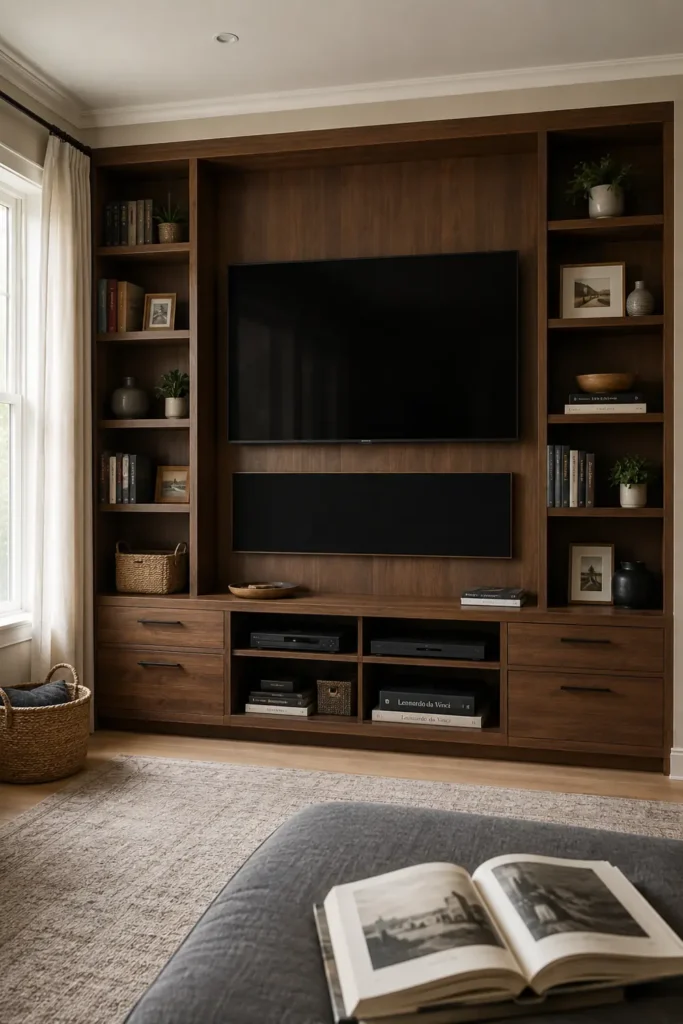
A small TV stand can help the living room seem more organized when it includes enough storage for media equipment. Cabinets, drawers, and open shelves give televisions, gaming consoles, remotes, and accessories a proper place instead of allowing them to spread across several surfaces.
Choose a unit that is slightly wider than the television but not oversized for the wall. Closed cabinets are useful for hiding cables and less attractive items, while one or two open shelves keep frequently used equipment ventilated and accessible. A raised base can also make the stand appear lighter.
Keep the top surface simple. The television, one small decorative object, and perhaps a compact lamp are usually enough. Use cable clips or a concealed channel to guide cords behind the unit. Reducing visible wires makes a noticeable difference in a small room because even minor clutter can quickly make the space feel busy.
A Comfortable Reading Nook with an Armchair and Warm Lamp
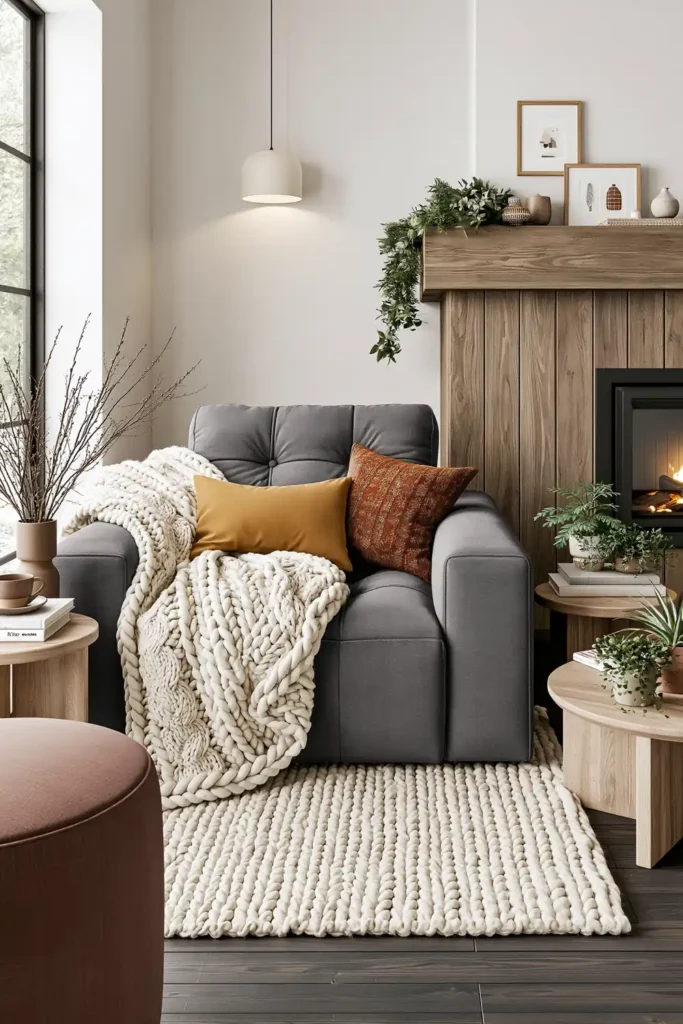
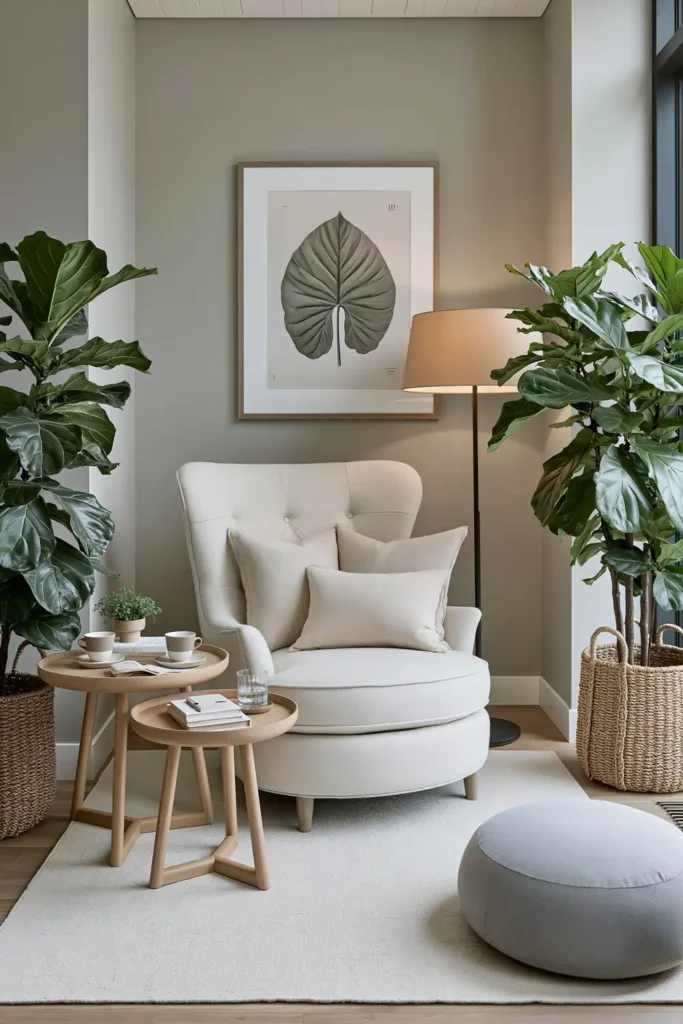
A reading nook can fit into a surprisingly small area when the furniture is chosen carefully. A comfortable armchair, compact side table, and focused lamp are often all that is needed to create a separate place for quiet time within the living room.
Soft upholstery and layered textiles make the corner feel inviting. Add one oversized pillow or a folded throw, then place a small stack of books on the side table or a low stool. A tiny potted plant can soften the arrangement without taking up much surface space.
Position the chair near a window when possible so the nook benefits from daylight. For evenings, use a floor lamp or table lamp that directs warm light toward the seat. Keep the surrounding floor clear and angle the chair slightly toward the room. This helps the nook feel connected to the living area rather than squeezed into an unused corner.
Layered Ambient Lighting for a Softer Evening Atmosphere
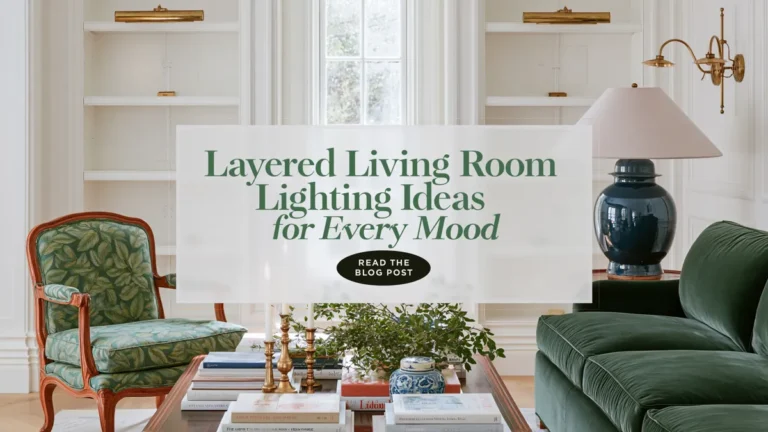
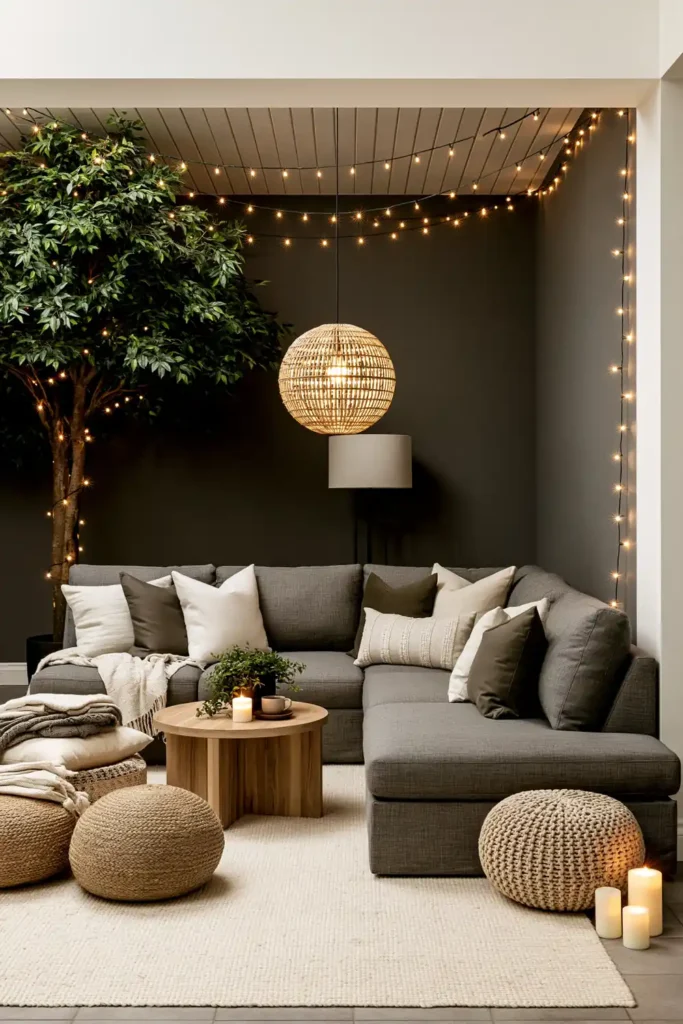
A small living room feels much cozier when the lighting comes from several gentle sources instead of one bright ceiling fixture. Table lamps, floor lamps, and subtle string lights create small pools of light that soften corners and make the room feel more relaxed after dark.
Place lamps at different heights to avoid a flat, overly uniform look. A floor lamp beside the sofa can provide useful reading light, while a small table lamp on a console adds a warmer glow across the wall. String lights can work along a shelf or around a window, but keeping them understated prevents the room from feeling overly decorative.
Warm-toned bulbs are usually the most comfortable choice for this setup. Use dimmers where possible so the brightness can change throughout the evening. Even two lamps positioned on opposite sides of the room can produce a more balanced atmosphere than a single strong light overhead.
Mounted Shelves That Free Up Valuable Floor Space
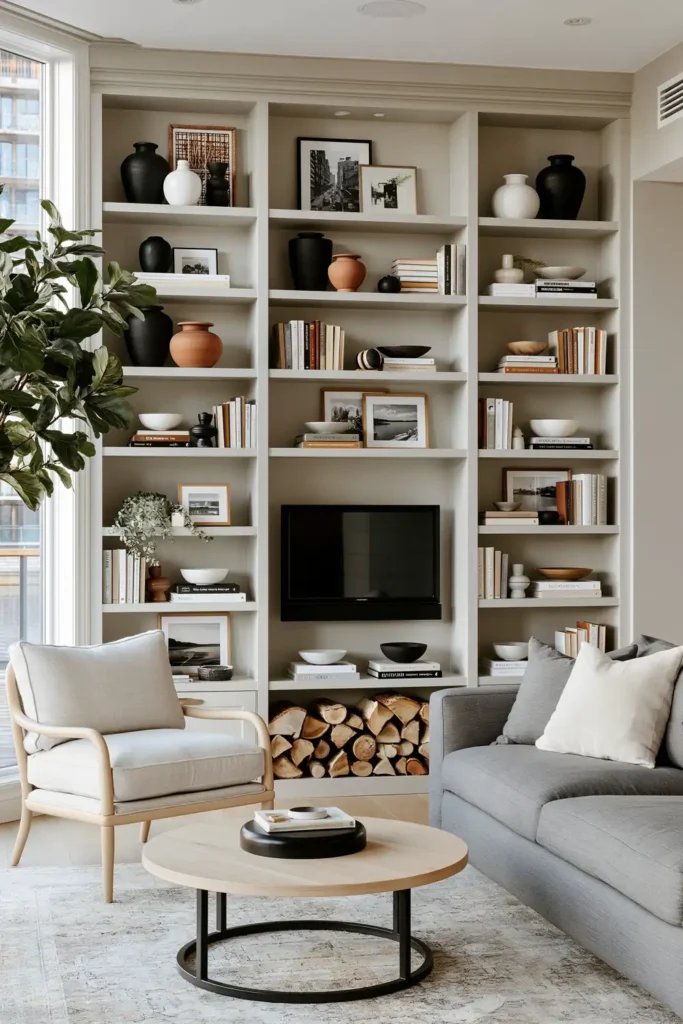
Wall-mounted units provide storage and display space without adding another cabinet or bookcase to the floor. They work especially well above a sofa, beside the television, or in a narrow section of wall that would otherwise remain unused.
Keep the shelf depth modest so it does not project too far into the room. A few books, framed pictures, and small decorative objects can bring character without making the wall feel crowded. Arranging items at different heights creates interest, while leaving some empty space keeps the display calm.
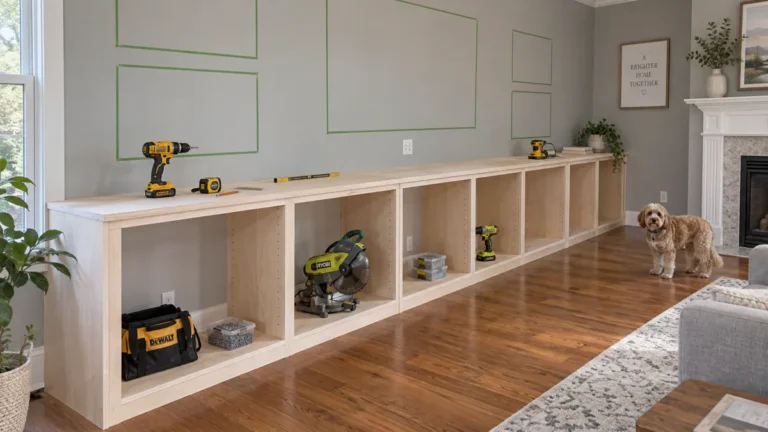
Make sure the shelves are installed securely and positioned where people will not bump into them. In a compact room, one long shelf may look cleaner than several small ones. You can also place a shelf above a low storage unit to create a practical vertical arrangement that uses the wall more efficiently.
A Low-Profile Coffee Table with Clean, Minimal Lines
A modern coffee table can make the center of a small living room feel useful without becoming visually heavy. Low-profile designs with simple lines allow the seating area to stay open and keep sightlines clear across the room.
Choose a shape that suits the available walking space. A narrow rectangular table works well in front of a sofa, while a round table removes sharp corners and can be easier to move around. Glass tops and slim frames create a less heavy appearance, while pale wood adds heat without feeling bulky.
Keep the surface mostly clear so the table does not become a clutter point. A small tray can hold remotes and everyday items, while one book or decorative object is enough to add character. Leaving open space around the table will make it easier to reach the seating and help the room feel more comfortable.
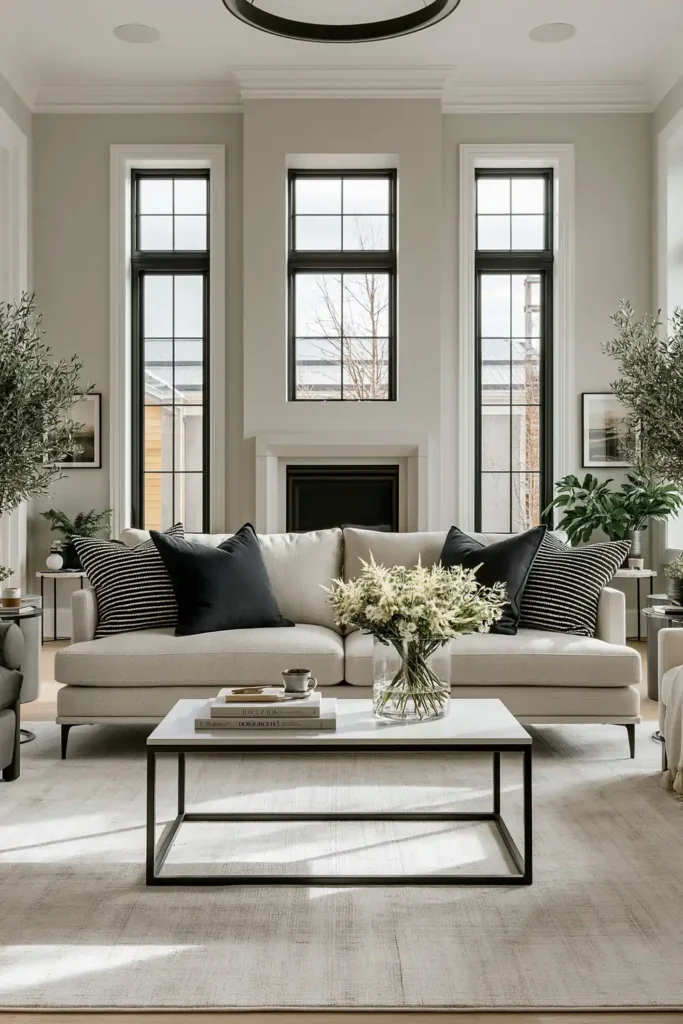
Sheer Window Treatments That Bring In More Natural Light
Heavy curtains can make a small living room feel darker and more enclosed, especially when they cover part of the window, even while open. Sheer curtains, simple roller shades, and light-colored shutters provide privacy while allowing more daylight to enter the room.
Hang sheer panels higher and slightly wider than the window frame so the glass stays exposed when the curtains are pulled aside. Soft linen-like fabrics create a relaxed look, while plain white or warm neutral shades keep the window area bright. Roller shades are useful when there is not enough wall space for full curtain panels.
Avoid layering several bulky treatments unless the room needs complete light control. A sheer curtain combined with a discreet shade is usually enough. Keeping the sill clear and placing large furniture away from the window will also help natural light travel farther into the room.
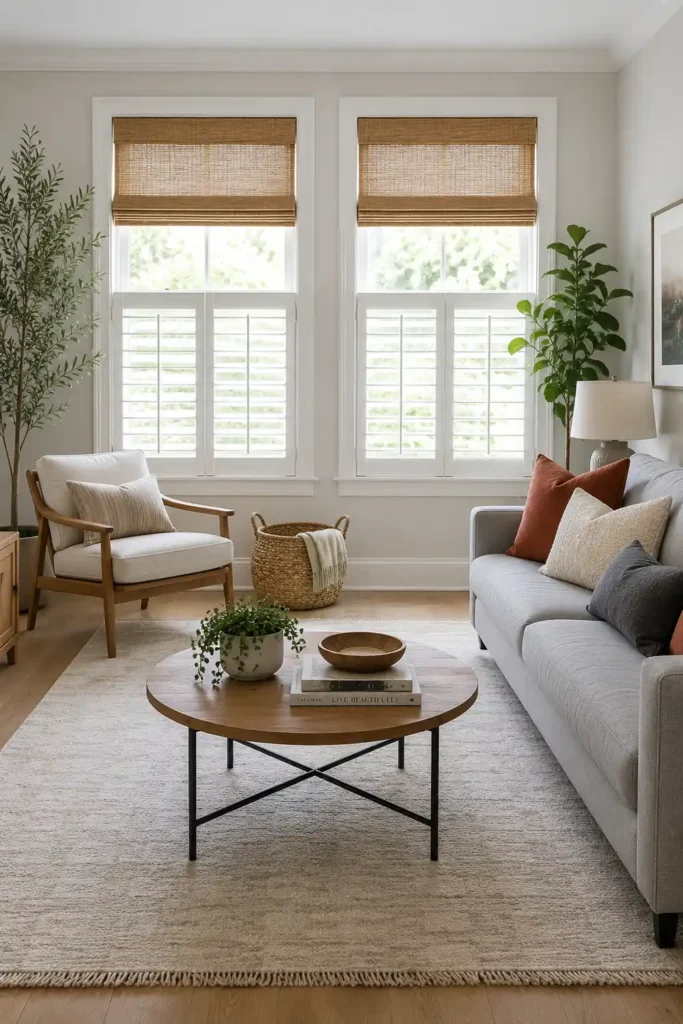
Creating a Small Living Room That Feels Like Home
The most comfortable small living rooms are not necessarily the ones with the least furniture. They are the rooms where each piece has a purpose, the layout supports everyday movement, and the lighting and textures make the space feel settled.
Start with the ideas that solve your biggest challenge, whether that means adding hidden storage, improving the furniture arrangement, or bringing more daylight into the room. Small adjustments often work better than changing everything at once.
A comfortable room develops gradually through useful choices and personal details. Give yourself time to test different layouts, remove what feels superfluous, and keep the elements that make the room easier and more enjoyable to use.